
Last updated November 22, 2026
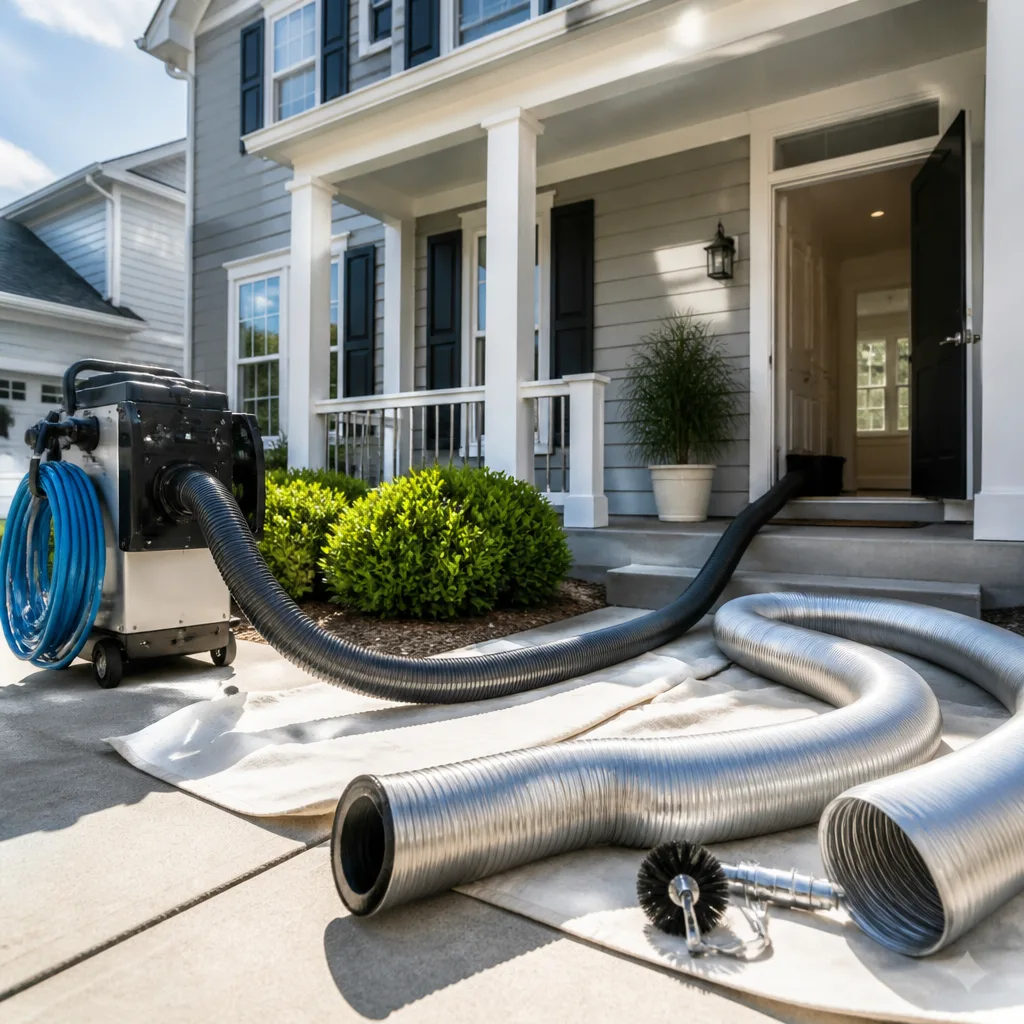 Whole-home duct cleaning
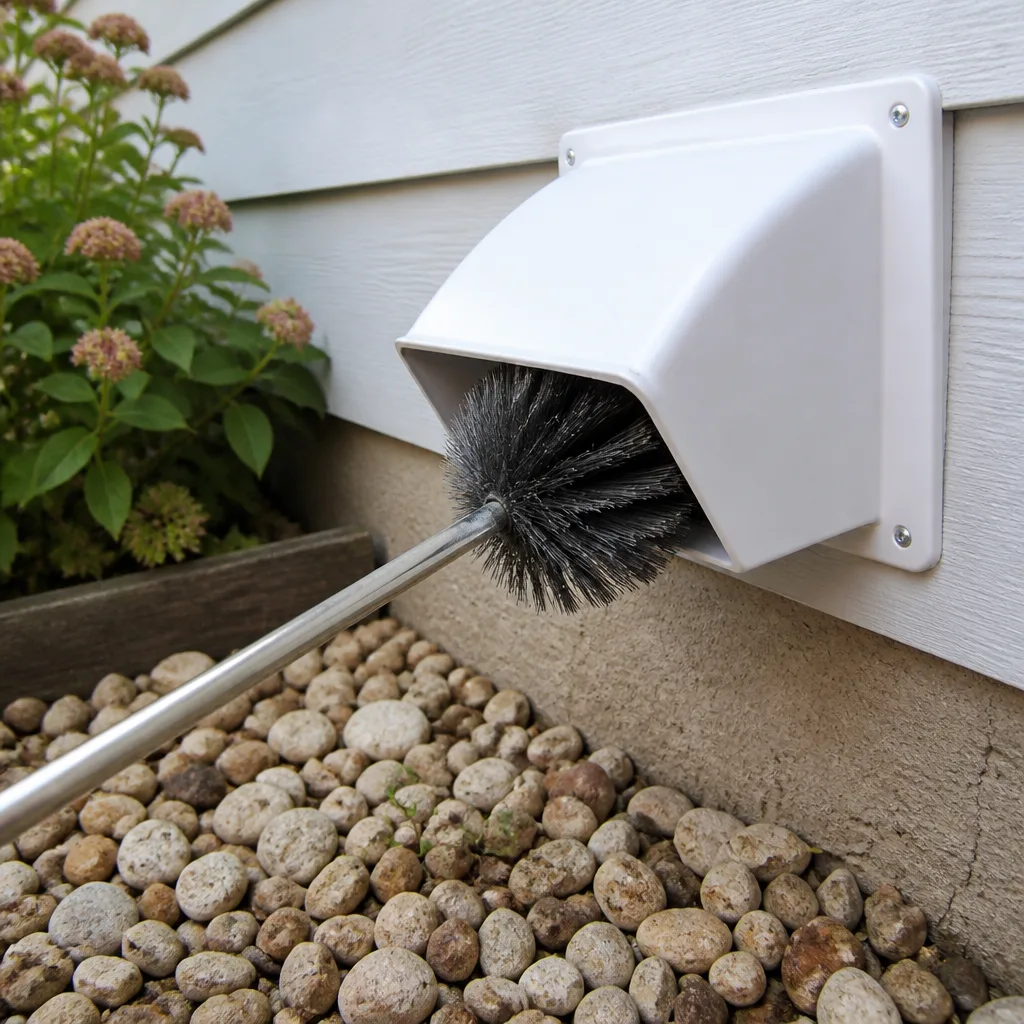 Dryer vent cleaning
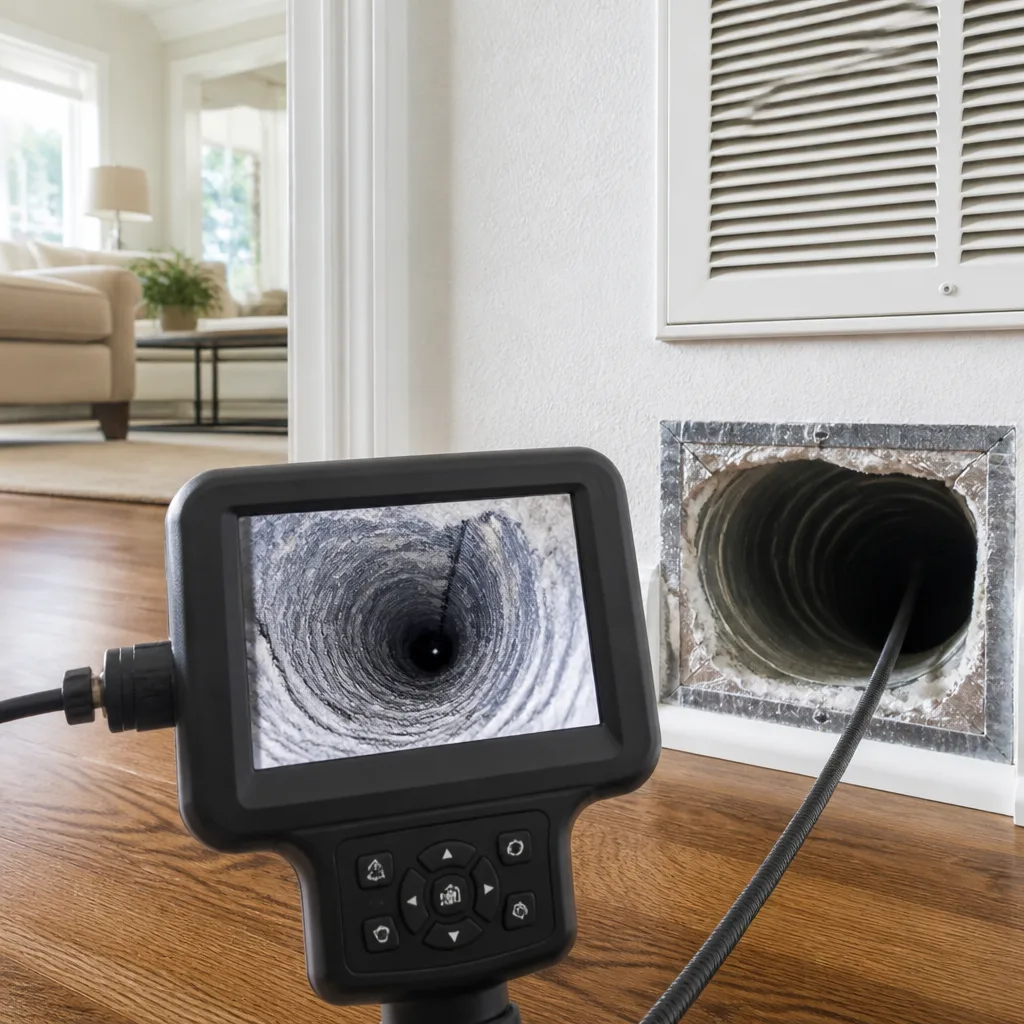 Camera inspection
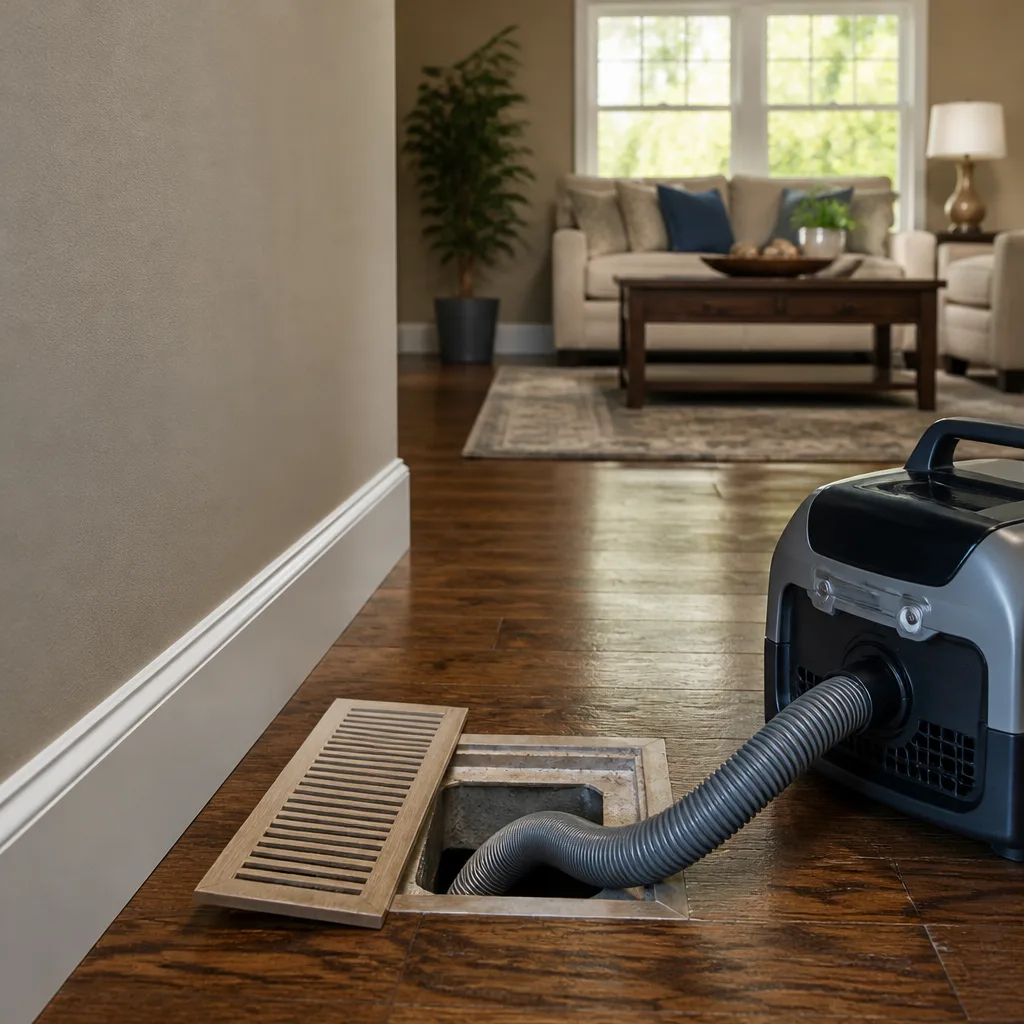 Sanitizing & deodorizing
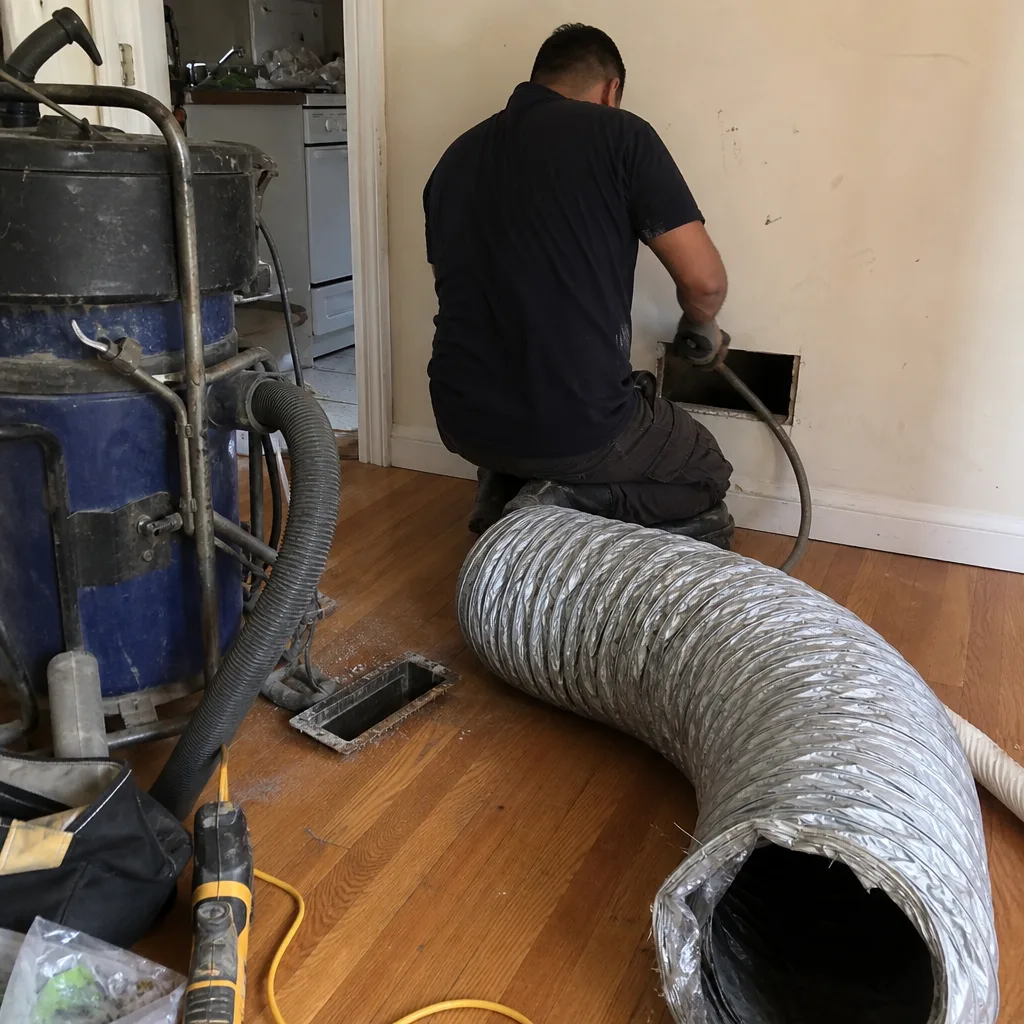
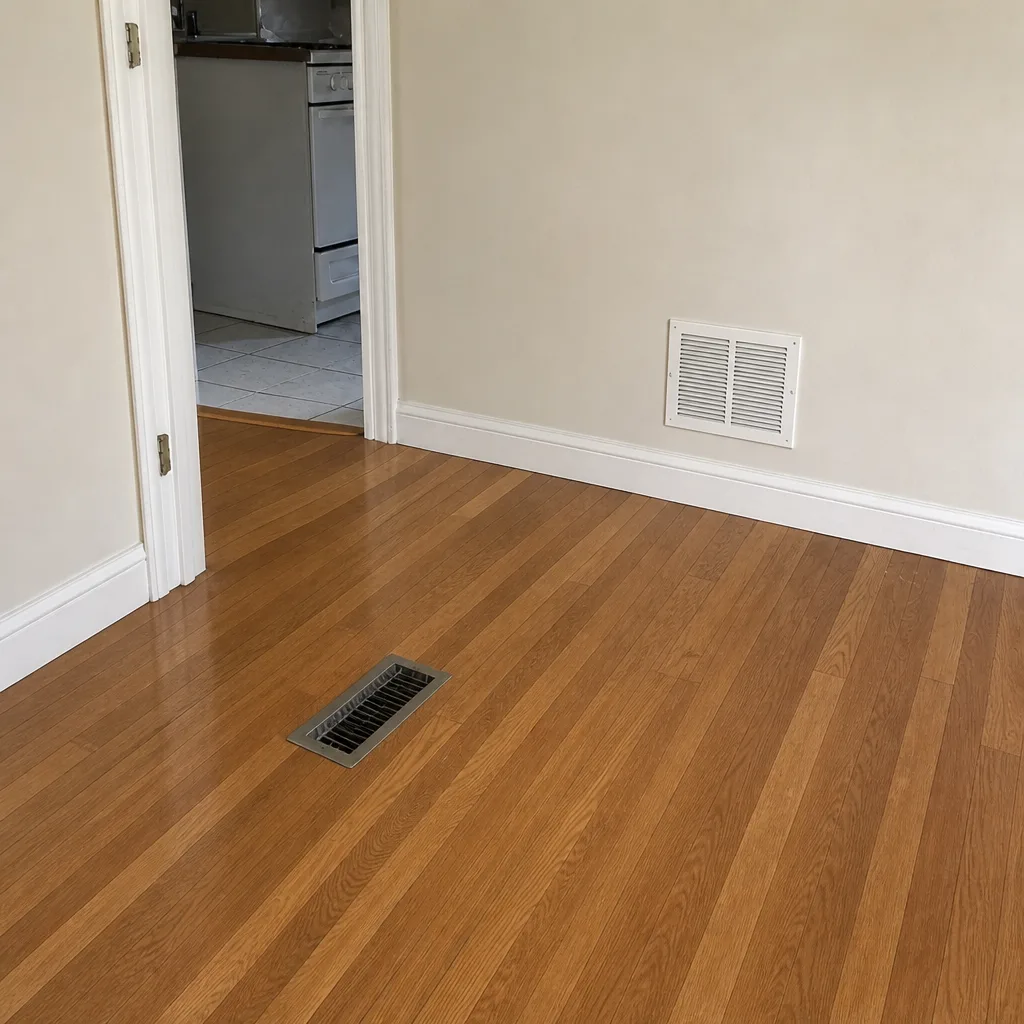
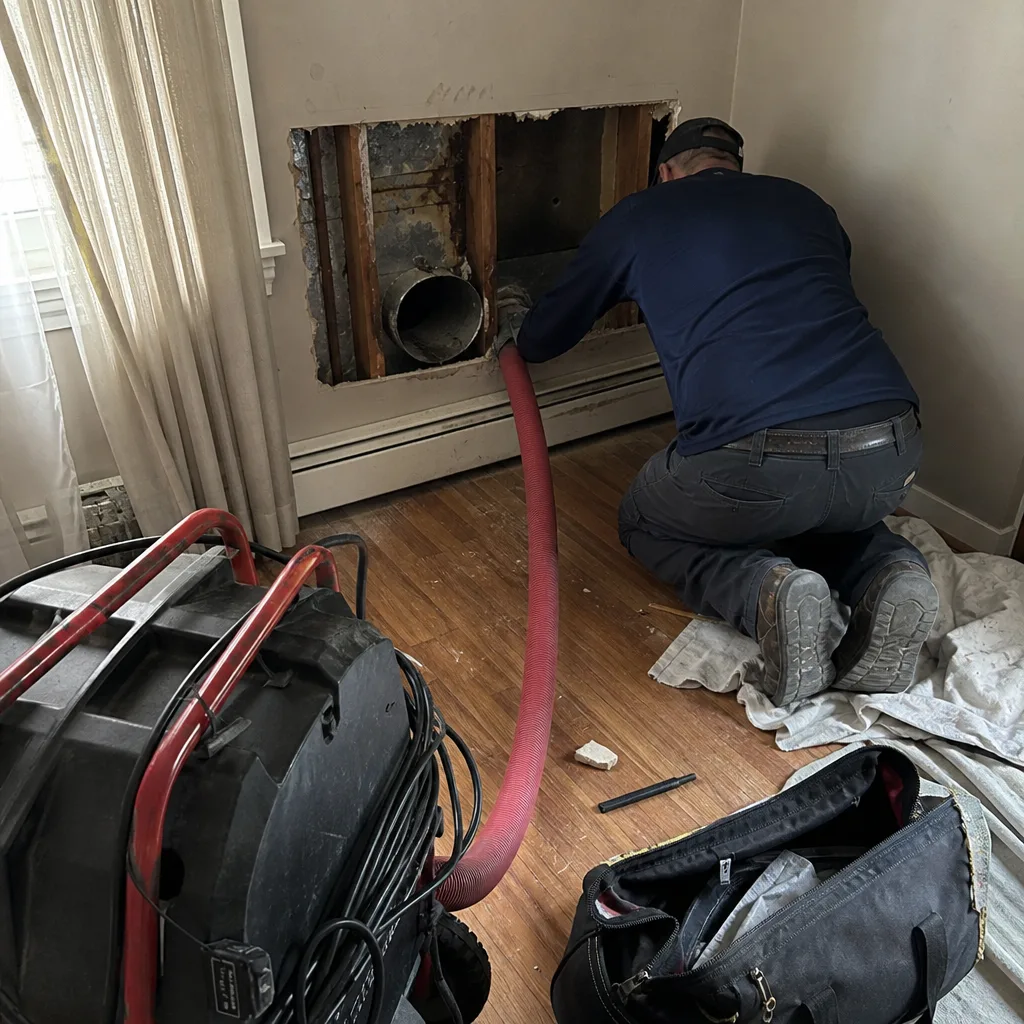
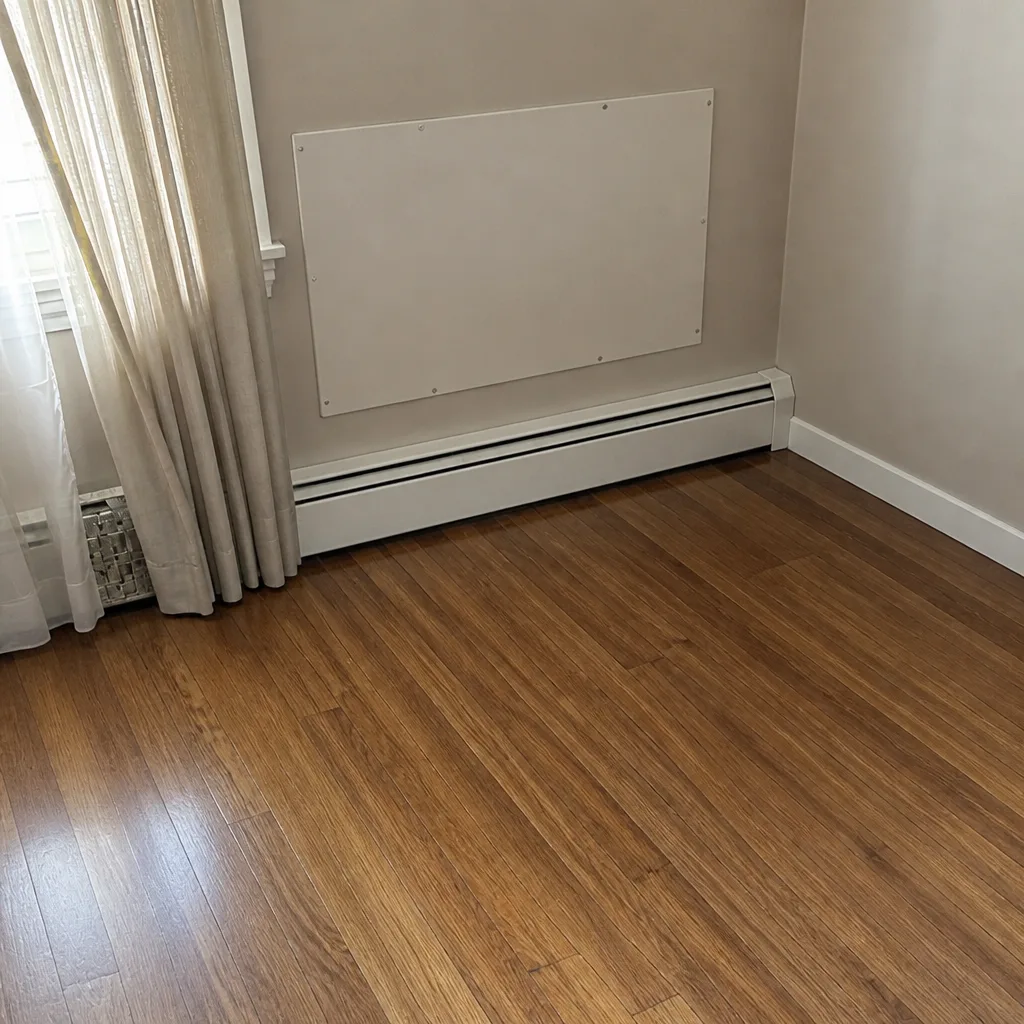
Whole-system duct and dryer vent check with before-and-after photos - you see exactly what came out of your vents
That "$99 whole-house special" is a bait ad - the real number appears once they are in your hallway, or the "clean" is a shop-vac at the register. We photograph the inside of your ducts before and after instead.
Air Duct Cleaning Warning Signs: A Riverdale Homeowner’s Reference Guide
When two upstairs bedrooms feel five degrees colder than the rest of the house, most people reach for the thermostat first. That’s usually the wrong place to look. In a Riverdale colonial with a section of partially collapsed flex duct in the attic, the thermostat reads exactly what it’s set to while those rooms get almost no airflow at all. The furnace is fine. The ducts are not. What makes duct problems tricky here is that the same symptom means different things depending on where you live. A high-rise co-op, an attached colonial, and a converted multifamily building all fail in their own ways. This guide organizes the warning signs by how you detect them: what you see, what you smell, what you feel, and what you hear. Each one comes with the likely cause behind it.
Quick Answer
The main warning signs of a duct problem in Riverdale are visible dust streaks at registers, musty or chemical odors when the system starts up, rooms that heat or cool unevenly, whistling or rattling at vents, and a jump in dust after renovation or water intrusion. These signs point to a dirty, leaking, or damaged duct system that needs a professional inspection rather than a thermostat adjustment.
Styles & brands we work with
- Whole-home duct cleaning
- Dryer vent cleaning
- Camera inspection
- Sanitizing & deodorizing
Table of Contents
- What You See: Visible Signs of a Duct Problem
- What You Smell: Odors That Point to Contamination
- What You Feel: Airflow Imbalance and Cold Spots
- What You Hear: Noises Coming From the System
- Co-op and Apartment Warning Signs
- Stop the System Now vs. Schedule Within 30-60 Days
- Warnings After Water, Pests, or Renovation
- Why Some Problems Get Missed Entirely
What You See: Visible Signs of a Duct Problem
Your eyes catch the earliest clues. Dust is normal in any home, but how it appears on your walls and registers tells you something about the ductwork behind them. Dark streaks radiating from the supply registers are the classic sign of a leaking joint pushing dust-laden air against the drywall. When you see it in more than one room of a Riverdale house, the chance of a duct seal failure is high.
A few visible signals are worth checking on your own before you call anyone:
- Dust lines around registers. A dark ring around the edge of a vent means air is escaping at the seam rather than blowing cleanly into the room. That gap is both a dust source and an energy leak.
- Visible debris inside supply registers. Shine a flashlight into the register opening. A light film is normal. Loose clumps of dust or visible buildup near the boot means the duct behind it is coated too.
- Dust settling faster than usual. If you’re wiping a shelf in the same living room twice a week when a monthly pass used to do it, the debris is coming out of the airflow.
- Streaked ceilings or soft drywall. This points to water intrusion, not just dust. Condensation on an uninsulated duct in the attic can soak the surrounding framing, and that becomes a mold question, not a cleaning question.
- Grime on return grilles. Return ducts pull air back to the air handler. Heavy buildup there means a large volume of dirty air is cycling through the system every time the blower runs.
A Riverdale home with steam heat and separate HVAC means the duct side is often neglected because the radiator covers the winter comfort role. That makes visible dust patterns on the ceiling and register trim the first clue for many attached colonials in this part of Brooklyn (Riverdale is a neighborhood in the Bronx), where radiator heat and ducted cooling coexist. If the signs stack up across more than two rooms, it’s time to have the system checked from the air handler to every register rather than piecemeal.
What You Smell: Odors That Point to Contamination
Smell is the most reliable early warning system you have, and the one most often dismissed. If the house smells faintly musty for two minutes after the heat or AC kicks on, and then the smell fades, that’s the system blowing stored odor through the house at startup. The ductwork is holding moisture, debris, or biofilm in a section the airflow passes over.
The smell itself narrows down the cause. Here’s what each type usually points to:
- Musty or damp-earth smell. Moisture in the duct run, often from condensation on an uninsulated section in an unconditioned attic or crawlspace. This is the most common startup odor we find in the older Riverdale stock.
- Chemical or fresh-paint smell after renovation. Off-gassing from paint, adhesive, flooring, or sealers gets pulled into the return and held in the duct lining. It can linger for months after the job is done, long after the rooms themselves smell normal.
- Sour or gym-bag smell. Biological growth, often in the cooling coil pan or the first few feet of duct near the air handler where condensation collects.
- Smoke or burning smell. Not a duct cleaning sign. Shut the system off and call for service. That’s an electrical or mechanical issue, and it’s not something to investigate yourself.
- Dryer lint smell near the laundry area. More on this under the urgent signs below, but a warm lint smell from the dryer vent is a fire-risk signal and needs attention.
Odor control in ductwork needs more than a vacuum. Mechanical cleaning removes the substrate that holds the smell, and a sanitizing treatment addresses any microbial growth left in the lining. Guardsman sanitizing treatments are one of the products we use after mechanical cleaning when the odor points to biological growth rather than just dust, and it’s a step a basic vacuum-only service won’t include.
What You Feel: Airflow Imbalance and Cold Spots
Airflow tells the story the thermostat can’t. You can set the temperature to 70, and if the system can’t move the air, some rooms won’t reach it. This is the warning sign most often misdiagnosed, because the symptom (an uncomfortable room) points at the thermostat rather than the ductwork behind the wall.
The pattern of the discomfort is what matters. Here’s how to read it:
- One or two rooms always off. The duct serving those rooms is either blocked, crushed, or disconnected somewhere between the main trunk and the register. In a Riverdale colonial, that’s usually flex duct in the attic or a run through a wall cavity that’s been compressed by later construction.
- Strong airflow at the nearest register, weak at the farthest. A pressure imbalance. A return that’s undersized or leaking pulls against the supply side and starves the far end of the system.
- Whole-house weakness that comes and goes. Sometimes an airflow problem is really a dirty blower wheel or a clogged evaporator coil. Both restrict the volume of air the system can move and both live inside the air handler, not the ducts.
- Cold spots in summer, hot spots in winter. If the same rooms are affected in both seasons, the duct run is the common cause. If it only happens in summer, the cooling coil or refrigerant charge may be part of the problem.
- Poor dehumidification. Rooms that feel clammy even when the AC runs. Leaky ducts pulling humid outdoor air from an attic or crawlspace into the return can undermine the whole system’s ability to dry the house.
If you’ve already had an HVAC company out to check the equipment and they’ve told you the system is running fine but the house is still uncomfortable, the duct side is where the answer lives. In our experience, an airflow complaint that survives an equipment check is almost always a duct problem.
What You Hear: Noises Coming From the System
Sound is a signal you can act on without crawling into an attic. Different noises mean different things, and some are more serious than others.
- Whistling at a supply register. A restricted duct or a register that’s been partially closed to force air elsewhere. The whistle is the air squeezing through a gap it shouldn’t have to.
- Rattling or popping in the walls. Loose duct sections, disconnected joints, or ductwork that’s touching framing and vibrating against it. Rattling in a wall cavity of an attached colonial often means a joint has come apart.
- Rumbling or booming on startup. Often the return duct flexing under pressure changes, or a damper that isn’t set correctly. It’s not usually dangerous, but it points at a pressure imbalance the system wasn’t designed for.
- Rhythmic ticking that speeds up with the blower. Something is physically hitting the blower wheel inside the air handler. That’s a mechanical issue for an HVAC technician, not a duct cleaning issue.
- No noise at all from one room that used to be fine. A silent register whose matching supply duct has disconnected is the same problem from the opposite direction. Look for it at the same time you check the airflow.
The rotary brush and negative-air setup we use is a two-stage method: agitation with a Rotobrush rotary brush system loosens debris from the duct walls, and a high-capacity negative-air machine holds the section under vacuum so the loosened material goes into the collection rather than into the room. During the job, an Abatement Technologies air scrubber runs to control particulates in the work area. The noise you hear during a proper cleaning is the equipment doing its job, not a sign that something is being damaged.
Co-op and Apartment Warning Signs
Co-op and multifamily buildings have duct warning signs that single-family homes never see. The shared air pathways in a building mean a problem a few units away can show up in your kitchen. If you live in a Riverdale apartment or co-op, these signals matter as much as the ones inside your own unit.
Watch for these:
- Odors that arrive from nowhere. Cooking smells, tobacco, or laundry detergent drifting into your unit on the air from a neighboring stack or shared return. Odors moving from one unit to another through shared duct pathways means the system isn’t properly isolated between units, and it’s a problem that usually needs the building’s maintenance team plus a duct specialist.
- Reduced suction at the returns after a building HVAC upgrade. If the building changed out a rooftop unit or added a variable-air-volume system and your returns now feel weaker, the pressure balance in the riser has changed. Your unit may need rebalancing or a duct inspection.
- Dust concentrated along shared walls. A filtration issue in a shared return can push debris into a single unit. Worth reporting to building management before treating it as an in-unit problem.
- Musty smell worse in rooms over the garage or over a commercial space. Shared-wall construction in Riverdale’s multifamily stock often hides a common chase, and moisture from one unit’s leak can affect the units beside and below.
- New dust after a neighboring renovation. Renovation dust finds its way through the shared returns. If a unit on your line was recently gutted, run the fan less for a few weeks and have the system checked.
For a co-op, the practical first step is to note where the smell or the dust concentrates. That pattern tells a technician whether the problem is inside your unit or in the building’s shared ductwork. Either way, it’s worth a call before you spend money on filters or a duct service that treats only one side of the problem.
Stop the System Now vs. Schedule Within 30-60 Days
Not every warning sign is an emergency, and not every signal can wait. Getting this distinction right saves money and, in a few cases, avoids a real hazard. Here’s how we draw the line.
Signs to stop using the system now and call for service before running it again:
- Smoke or burning smell. Electrical or mechanical. Shut the system off.
- Visible mold on or around a supply register or return grille. Running the system spreads spores. Leave it off until a technician inspects.
- Water pooled in or around the air handler or a supply boot. Standing water in a duct system is a biological growth problem, not a maintenance item.
- Any sign of a burner or heat exchanger issue. A carbon monoxide alarm going off is a call to the fire department, then an HVAC technician. Not a duct cleaner.
- A dryer running noticeably hotter than usual, with a warm lint smell at the vent. That’s the dryer vent warning sign most often ignored. Stop using the dryer until the vent is cleaned.
Signs that allow scheduled service within 30-60 days:
- Dust streaks around registers and increased shelf dust.
- Startup musty smell that fades within a few minutes.
- One or two rooms that are consistently too cold or too warm.
- Rattling or whistling that’s annoying but not escalating.
- Lingering renovation smell and no visible mold.
If you’re not sure which side of the line a sign falls on, describe the symptom over the phone and we can tell you whether it can wait for a scheduled visit or needs someone out sooner. Call (877) 792-7057. We answer 24/7. Fast dispatch from 7am to 7pm, Sunday through Friday.
Warnings After Water, Pests, or Renovation
Some of the most serious duct contamination has nothing to do with how recently the system was cleaned. Life events contaminate ducts on their own schedule, and the warning signs below are worth treating as urgent regardless of your last cleaning date.
After water intrusion. A burst pipe, a roof leak, or a summer storm that soaks the attic can wet an insulation jacket or a section of flex duct. The warning signs are a musty smell that appears specifically after rain, discoloration at a ceiling register, or a sudden spike in allergy symptoms in one room. Wet fiberglass duct liner cannot be dried back to a clean state. That section has to be removed and replaced, not vacuumed. If you’ve had water anywhere near an HVAC system or duct run in the last 60 days, have it inspected.
After pest activity. Mice, squirrels, and roaches use ductwork as a highway. Droppings inside a duct are visible at the register boots, and the smell that goes with them is unmistakable. A standard vacuum doesn’t remove the residue. Sanitizing after mechanical cleaning is part of the job, and if rodents have chewed through flex duct, the duct has to be repaired and resealed. This is where duct repair and sealing needs to happen alongside cleaning. Clean ducts are only part of the story – sealed, repaired ducts keep them clean longer.
After renovation. Drywall dust is fine enough to coat an entire duct system in a single day of sanding. If you’ve had a kitchen, bathroom, or full-unit renovation and didn’t seal the registers with plastic during the work, the system is now holding construction debris. The warning signs are visible white dust at the registers and a filter that fills up in days instead of weeks. Schedule a full-system cleaning before the next heating or cooling season rather than after.
For all three cases, a proper response starts with negative-air containment so debris and spores don’t spread through the house during the work. That’s the same containment-first approach used in restoration, and it’s the reason we run an Abatement Technologies air scrubber on the jobs that carry the most contamination.
Why Some Problems Get Missed Entirely
Some duct problems don’t produce obvious warning signs. They hide in places nobody thinks to look. If you’ve had your ducts “cleaned” in the past and still feel like something is off, the missed signals below are likely why.
- The air handler was never touched. A dirty blower wheel and a clogged evaporator coil are the two largest sources of dust and reduced airflow in a residential system, and they’re both behind a panel in the air handler. A duct vacuum without an HVAC cleaning leaves the biggest source of the problem in place.
- Sealed ductwork wasn’t checked. Loose joints along a supply trunk leak air into a wall cavity rather than into the room. Cleaning the ducts does nothing to fix that. Sealing does.
- The return side was overlooked. Some services clean the supply registers and skip the returns. That’s roughly half the system.
- Dryer vent got grouped in with the HVAC ducts or ignored. The dryer vent is a separate line and the leading cause of residential house fires in this country. It needs its own service, and it’s often skipped by HVAC-only cleaners. Our dryer vent cleaning treats it as a standalone job.
- Filtration upgrades were never discussed. Once ducts are clean, a filter that matches the home’s dust load keeps them that way. Familiarity with Honeywell and Aprilaire systems lets us recommend the right filter or purification upgrade instead of cleaning and leaving with the same undersized filter in place.
The full system is what matters: the blower, the coil, every return, every supply, and the seals between them. Surface vacuuming of the visible registers misses the majority of the problem. The air duct cleaning we do targets the full path from the air handler to every register, and it’s the closest thing you have to a guarantee that the warning signs will actually disappear.
Common Mistakes to Avoid
Over the years, the same missteps come up again and again. Here are the ones that cost Riverdale homeowners the most, in money and in comfort.
- Replacing the thermostat when the duct is the problem. A thermostat only controls the temperature the system is trying to reach. If air isn’t reaching a room, no thermostat will fix that. Have the duct side checked first.
- Buying a duct cleaning based on the lowest coupon. A coupon price is a starting point, not a final price. A service that quotes to a house unseen is usually priced to sell, not priced to cover the work. Ask for a written estimate that covers the whole system before anything starts.
- Cleaning ducts without fixing the seals. You’ll pay for the same cleaning again in two years. Any duct or joint issue needs repair and sealing as part of the same job.
- Skipping the air handler. The blower and coil need to be cleaned too. Ask specifically, and confirm the panel comes off. Dryer vent treated as an afterthought. If a service quotes duct cleaning only and doesn’t ask about the dryer, ask them what they plan to do about the fire risk.
- Sealing up a wet system. If there’s mold or moisture in the ductwork, cleaning first is essential. Any sanitizing comes after mechanical removal, not before it.
- Ignoring the co-op rule that smells come from the shared system. If the odor is coming through shared returns, your in-unit cleaning won’t fix it. Get the building maintenance team involved at the same time.
- Relying on “the last guy cleaned it” without photos. Ask for before-and-after photos of your own ducts. A verifiable clean is one you can see. If a service can’t show you the work, it’s worth asking why.
See the difference
 Before
 After
 Before
 After
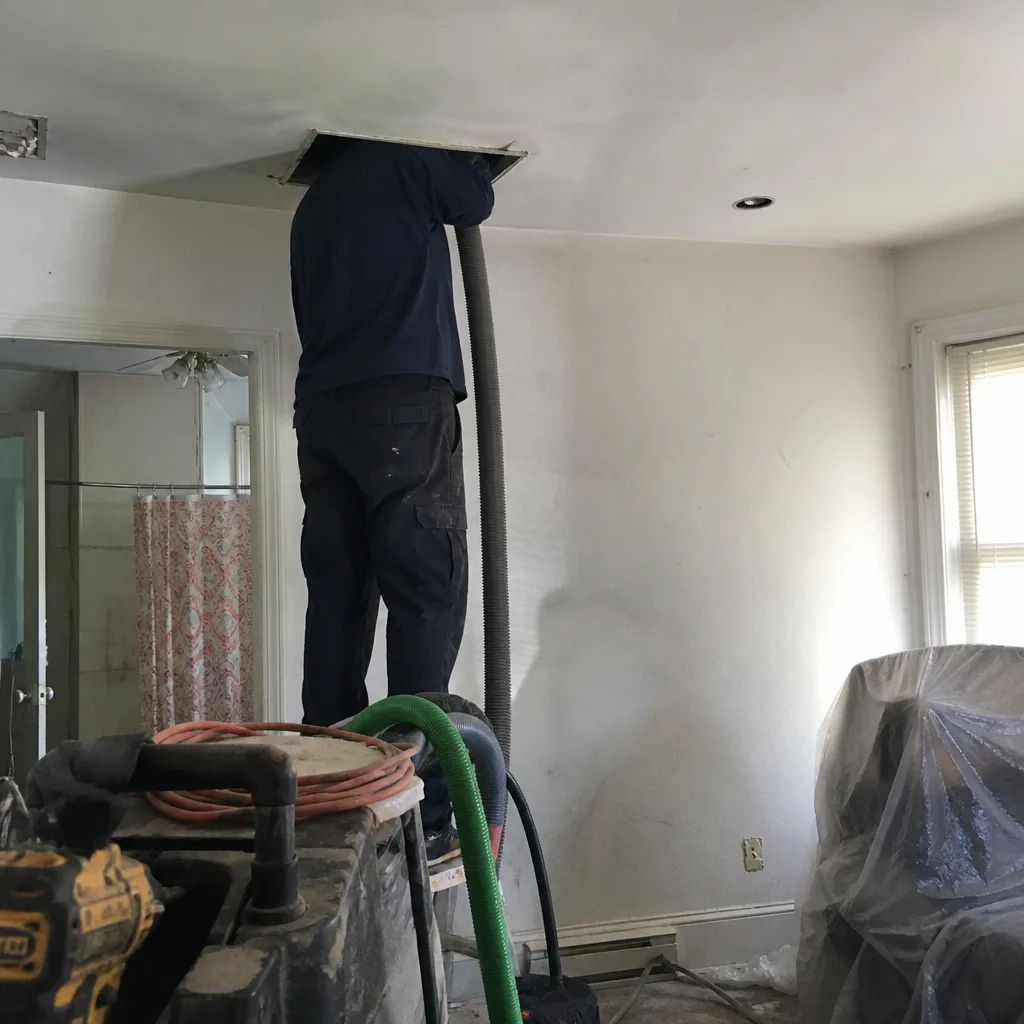 Before
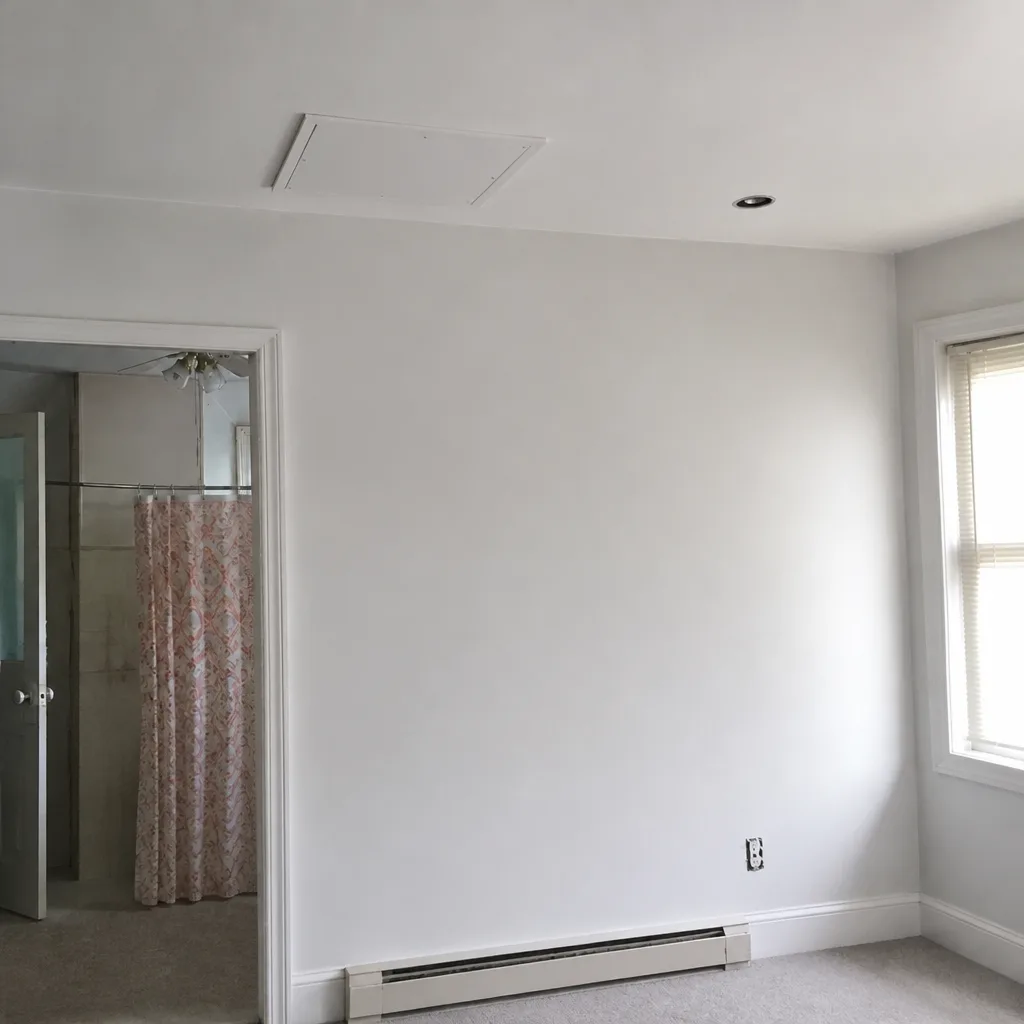 After
When to Call a Professional
Call a professional when the warning signs appear in more than one room, when a musty smell returns after every startup, when a room hasn’t been comfortable in months, or when any of the post-event triggers – water, pests, renovation – have hit your home in the last 60 days. Call sooner if any of the stop-the-system signals apply, including mold, standing water, smoke, or a dryer that runs hot. If you live in a co-op and the smell or dust is coming from shared ductwork, loop in the building’s maintenance team first and get a duct specialist involved at the same time. A professional inspection confirms what’s happening inside the airflow path without opening walls to guess. Riverdale Air Duct Cleaning offers free estimates in Riverdale – call (877) 792-7057. Our technicians have up to 13 years of experience, and the visiting pro works with the equipment specified in HVAC industry and restoration standards.
Frequently Asked Questions
Your ducts need cleaning if you’re seeing dust streaks around registers, smelling mustiness at startup, feeling uneven airflow between rooms, or hearing whistling or rattling in the walls. Visible mold, standing water, or a warm lint smell at the dryer vent means the system needs a professional inspection now rather than a scheduled visit. A short phone call with the symptoms you’re observing is usually enough to tell you how urgent the job is.
A musty smell from your vents means moisture or biological growth is present somewhere in the duct run or the air handler. The most common cause is condensation on an uninsulated duct section in an attic or crawlspace. It shouldn’t be masked with air freshener – the growth is still there and will keep releasing odor into the house until the source is removed and the system is cleaned and treated. Call (877) 792-7057 for an estimate.
Yes. If you see visible mold on or around a supply register or return grille, shut the system off and call for service before running it again. Running the blower pushes mold spores through the entire duct system and into rooms that didn’t have a problem. A technician can confirm the extent of the growth and plan the right response, which may involve cleaning or duct replacement.
In a co-op, an in-unit cleaning won’t fix odors that come through shared duct pathways. If the smell is arriving from a neighboring unit or from a common riser, the building’s maintenance team and a duct specialist need to look at the system together. Ask the building which returns are shared and whether the building’s air-handling equipment has been changed recently – a pressure change from a rooftop upgrade is one of the most common causes of new in-unit airflow problems.
Take action within days, not weeks. A wet fiberglass duct liner is a growth medium for mold and can’t be dried back to a clean state – the affected section normally needs to be removed and replaced. If water has reached any part of your ductwork or air handler within the last 60 days, schedule an inspection and leave the system off until it’s checked.
Some quotes are cheap because they cover far less of the system – often just the supply side and not the returns, the air handler, or the dryer vent. Others are fixed low to get a technician on site, with a much larger invoice based on what they found once they were in the door. Ask any service two questions before booking: is the price for the whole system, and will the estimate be written down before work starts? Call (877) 792-7057 for a free estimate that covers the full system.
The Bottom Line
Duct warning signs almost always appear before a problem gets expensive, and they show up in four channels: what you see, smell, feel, and hear. Read them together rather than in isolation. A single dusty register is a maintenance item. A dusty register plus a cold room plus a startup musty smell usually means a leak, a disconnect, or moisture in the system, and it needs a professional look. Some signs – mold, standing water, smoke, a hot dryer – mean shut it off now. Others can wait 30-60 days for a scheduled visit. For Riverdale homes, housing type matters: co-op and multifamily problems often start in shared ductwork, while attached colonials most often fail in the attic flex runs. When in doubt, book the inspection. It’s the cheapest way to know.
Call (877) 792-7057 for a free estimate. We answer 24/7. Fast dispatch from 7am to 7pm, Sunday through Friday. Riverdale Air Duct Cleaning is your full-system indoor-air specialist for Riverdale Air Duct Cleaning and the surrounding Bronx neighborhoods, covering air duct cleaning, dryer vent cleaning, HVAC cleaning, duct repair and sealing, and air quality and sanitizing under one visit – from the air handler to every register.
Written by the team at Riverdale Air Duct Cleaning.