
Last updated November 22, 2026
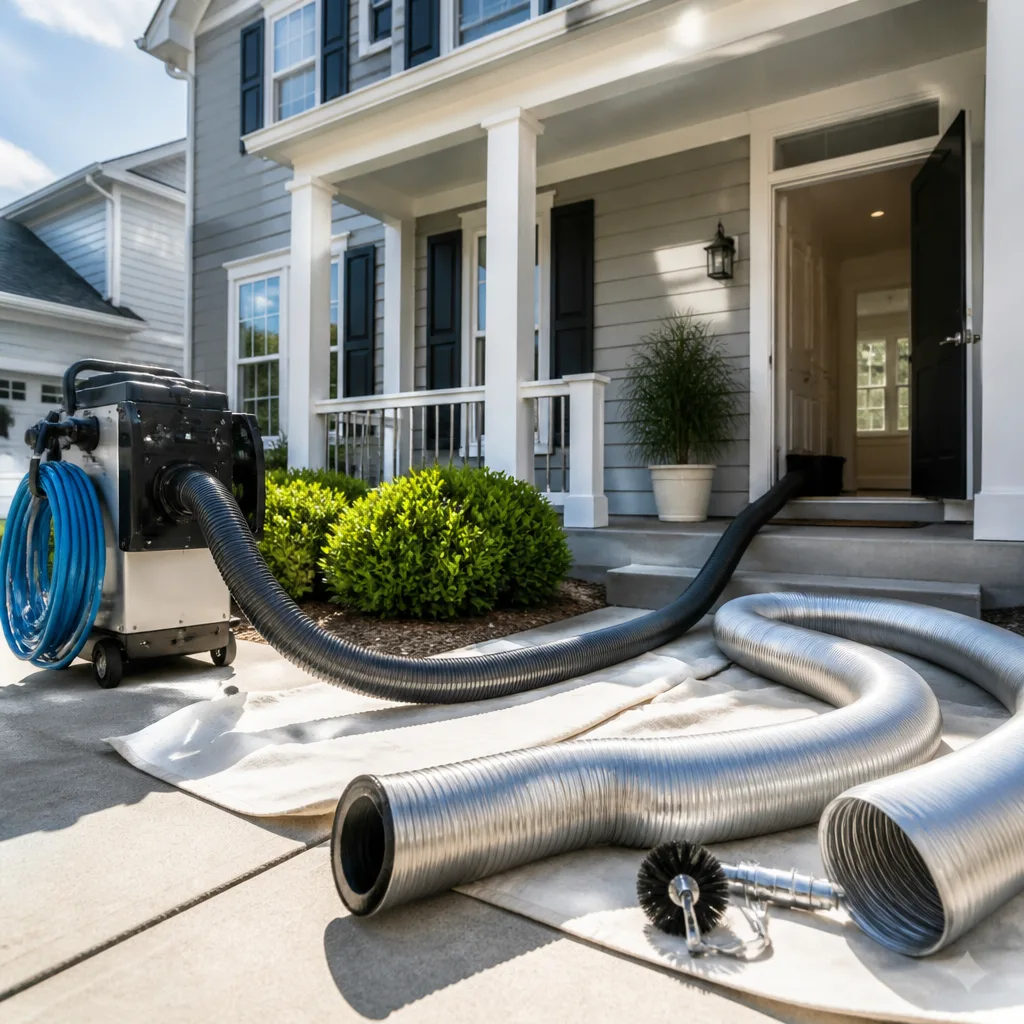 Whole-home duct cleaning
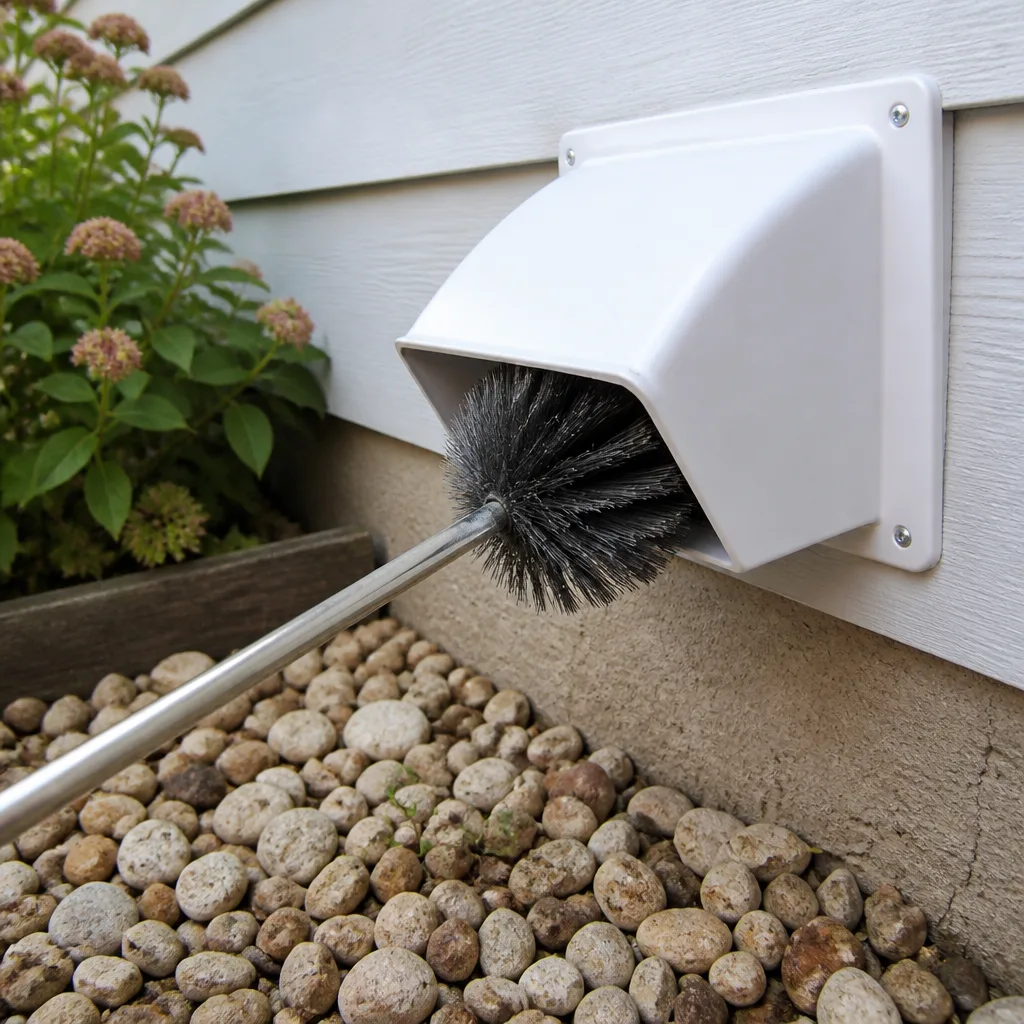 Dryer vent cleaning
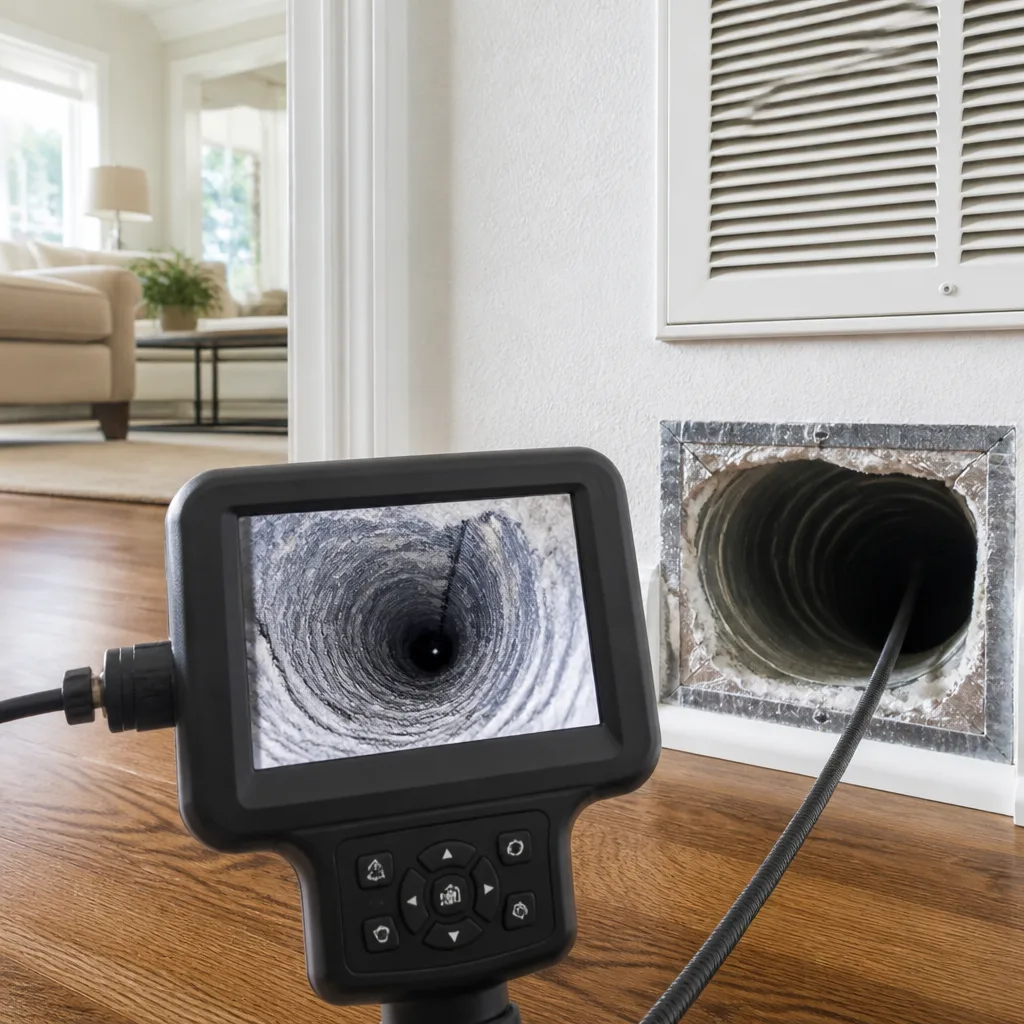 Camera inspection
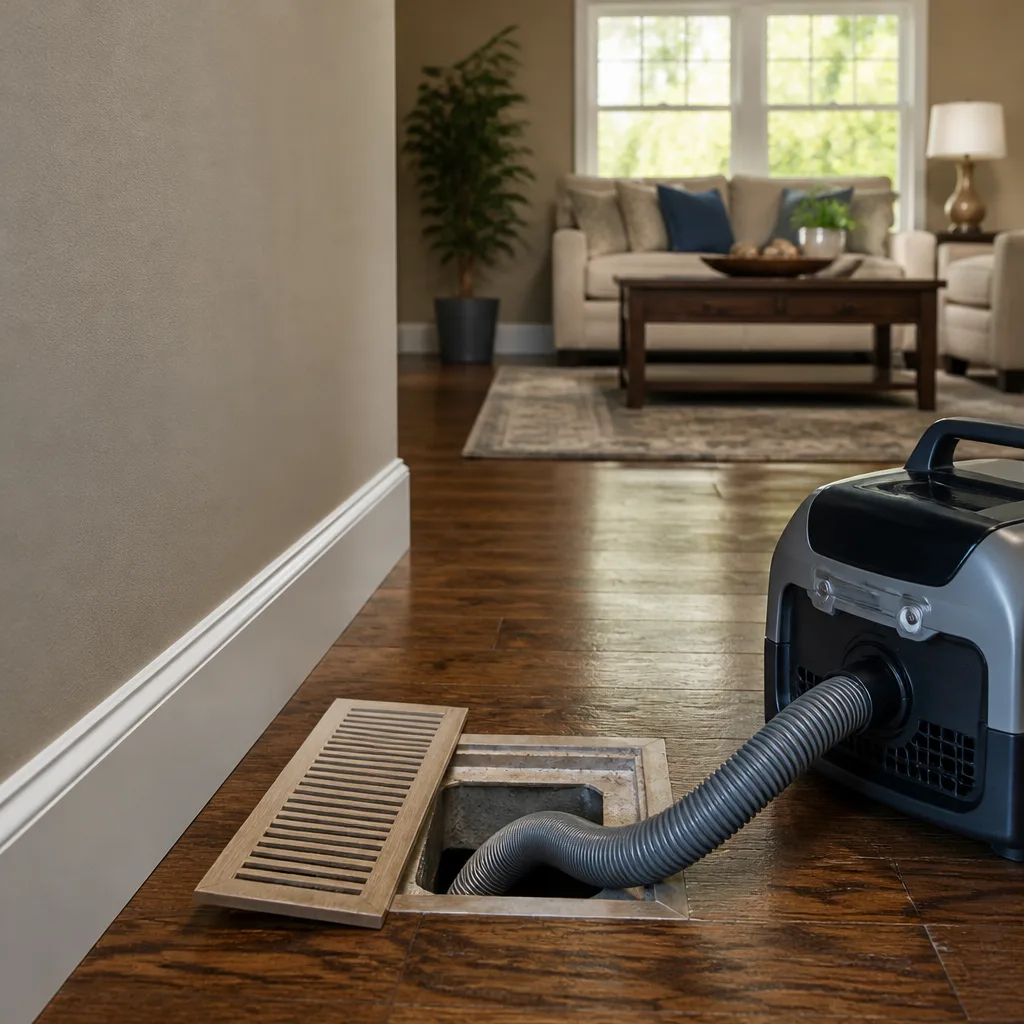 Sanitizing & deodorizing
Whole-system duct and dryer vent check with before-and-after photos - you see exactly what came out of your vents
That "$99 whole-house special" is a bait ad - the real number appears once they are in your hallway, or the "clean" is a shop-vac at the register. We photograph the inside of your ducts before and after instead.
How to Hire an Air Duct Cleaning Contractor in Riverdale: A Step-by-Step Guide
Here’s the part most homeowners don’t know until it’s too late: in New York State, no license is required to call yourself an air duct cleaner. A crew can legally arrive in Riverdale with a leaf blower and a shop vac, run it through your registers, and hand you a bill. There’s no state board to check, no exam to pass, no permit that proves competence. That means the only real protection you have is knowing exactly what to ask before anyone touches your system. This guide walks you through the phone questions that filter out the pretenders, the credentials that actually mean something, the pricing games to watch for in the New York metro market, and the contract language that should be in writing before a single access panel comes off. Everything here is written from our vantage point in Riverdale, where prewar housing, radiators-turned-ducts conversions, and a crowded contractor market make smart hiring more important than in most places.
Quick Answer
Hire an air duct cleaning contractor in Riverdale by verifying five things before you book: NADCA membership, proof of a negative-air collection machine (ask for the CFM rating), a certificate of liability insurance, a written scope of work, and a stated before-and-after documentation policy. Get an on-site walkthrough before you accept a final price, insist on a contract that names access points and containment, and treat any quote significantly below the local market as a red flag rather than a bargain. The questions in this guide take about ten minutes on the phone and save you from the bait-and-switch model that plagues this trade across the Bronx and the wider New York metro.
Styles & brands we work with
- Whole-home duct cleaning
- Dryer vent cleaning
- Camera inspection
- Sanitizing & deodorizing
Table of Contents
- Why Riverdale Needs a Hiring Checklist
- The Five Credentials That Actually Mean Something
- Word-for-Word Phone Questions Before You Book
- How to Read a Quote and Spot the Bait-and-Switch
- What a Legitimate Walkthrough Looks Like
- Your Pre-Work Contract Checklist
- Equipment: What Should Be in the Truck
- Cleaning Isn’t the Whole Job: Repair, Sealing, and Sanitizing
Why Riverdale Needs a Hiring Checklist
Riverdale’s housing stock is unusual, and that shapes how duct work happens here. Many homes in neighborhoods like Fieldston, Spuyten Duyvil, and North Riverdale were built long before forced-air heating was standard, so ducts were often retrofitted later, sometimes through tight chases and attics never intended for them. Other homes, particularly the apartment stock in Central Riverdale, run short duct runs off a central air handler serving several rooms. Each of those configurations fails differently, and each demands a contractor who can assess the actual system rather than run a wand through the visible registers.
Contrast that with the county-level picture. Westchester County and the Bronx share a contractor market where cheap coupon mailers and online lead-gen outfits funnel dozens of calls a week into a small number of crews. The economics push toward speed: an hour at the curb, an invoice, next job. Add to that the prewar buildings and converted heating systems around Riverdale, and a Google-search hire can end up doing more harm than good, stirring loose debris into the air handler, missing the trunk lines entirely, or leaving access panels unsealed.
The absence of state licensing means you can’t lean on a credential check. What you can lean on is a repeatable set of verification steps. That’s what the rest of this guide gives you. If you’d rather skip ahead to the brand that fits these standards, the Riverdale Air Duct Cleaning service overview is a reasonable place to start, but the checklist below applies to any contractor you consider, including us.
The Five Credentials That Actually Mean Something
Most credentials floating around this trade are decoration. These five are load-bearing. If a contractor can’t produce all five, move on to the next call.
1. NADCA membership
The National Air Duct Cleaners Association publishes the industry’s accepted standard for how duct cleaning should be done, including the negative-air principle that keeps loosened debris from escaping into your home. Membership doesn’t guarantee quality, but it’s a minimum signal that the contractor is at least aware of the standard and pays to stay current on it. Ask for the member number and look it up.
2. Proof of negative-air equipment
Negative-air collection is the backbone of a real clean. The machine sits at the main trunk or air handler and pulls a vacuum on the whole system, so when the technician agitates dirt loose with a rotary brush, it travels toward the collection unit rather than into your living room. Ask what machine they use and what its CFM (cubic feet per minute) rating is. A serious answer will name a specific unit.
3. A certificate of liability insurance
This one matters more in a dense market like Riverdale than in most places. Duct work involves opening ceilings, disconnecting plenums, and working near electrical components. Ask for a certificate of insurance naming liability coverage and, ideally, a workers’ comp policy. A contractor who can’t email a COI in five minutes isn’t ready to work in your home.
4. A written scope of work
Scope is the antidote to surprise invoices. A written scope names which registers and returns will be cleaned, how the air handler and coils will be handled, whether the dryer vent is included, and what happens if the crew finds damaged ductwork mid-job. If the answer to “what’s included” is a verbal “the whole system,” get it in writing or walk.
5. A before-and-after documentation policy
You deserve to see what the crew saw. A contractor with a real documentation policy will photograph or video the interior of ducts, the air handler, and the registers before work starts, then again afterward. In our experience, the crews who offer documentation by default are also the ones doing the work properly, because the two go together.
Word-for-Word Phone Questions Before You Book
Use these questions verbatim on your first phone call. The phrasing matters because it puts the person on the other end in the position of answering a specific, technical question rather than reciting a script. The whole set takes under ten minutes.
- “Are you a NADCA member, and what’s your member number?” If they hedge or say “we follow their standards,” ask again. Membership is a yes-or-no question.
- “What CFM rating is your collection unit?” This is the quickest filter in the trade. CFM is cubic feet per minute, and it measures how much air the vacuum machine can pull. A serious negative-air unit for residential work moves in the thousands of CFM. If the person on the phone doesn’t know, or quotes a shop vac number, you’re talking to the wrong company.
- “Can you email me your certificate of liability insurance?” This should take minutes, not days. A request for days is a request to keep looking.
- “What’s in the written scope? Can you send it to me before I book?” Any contractor with a real process has a prepared scope document. The answer should reference specific items: source removal at the air handler, cleaning of supply and return branches, register cleaning, and whether the dryer vent is included.
- “Will you do a walkthrough before quoting, or is the price set over the phone?” Site-visit-first is the standard you want. Phone-only quotes invite the invoice-time surprises described in the next section.
- “Do you photograph the ducts before and after? Can I see examples?” Ask to see the format they use. A real documentation policy has a standard, not a one-off photo the owner happened to take.
- “How long will the job take, and how many technicians will be here?” A proper residential cleaning runs several hours with a small crew. A promised “quick” job usually means corners cut.
Two of these questions, the CFM question and the insurance question, will eliminate most of the field. The remaining five separate the qualified contractors from the ones who are merely competent at phone sales.
How to Read a Quote and Spot the Bait-and-Switch
The largest pricing problem in the New York metro air duct market is a low teaser price followed by a much larger invoice once the crew is inside the house. The mechanism is consistent. A mailer or search ad advertises a headline price. On arrival, the crew “discovers” problems: mold in the air handler, damaged insulation, a disconnected duct branch, contaminated coil. Each discovery is a new line item, and by the time the technician finishes the walkthrough, the price has tripled.
You spot this model by reading the quote, not the ad. Three things go wrong most often:
- The price is quoted per vent or per register. Per-vent pricing punishes larger homes and rewards the crew for a quick pass. A whole-system clean is a whole-system price. Ask what the total is for your entire system, not per register.
- The scope document is vague. Wording like “clean ductwork as needed” gives the crew latitude to expand scope (and invoice) on site. Wording like “source-remove debris from trunk and branches, clean all supply and return registers, clean air handler interior” does not.
- The price doesn’t match the walkthrough. A quote given before anyone has seen your system is a guess. A quote given after a proper walkthrough is a number you can hold them to. If the phone price is $X and the walkthrough price is $X plus significant line items, that’s not a quote, that’s a lead-in.
One-line sanity check: a real quote has the system total, the scope in writing, and a note that the price is fixed once the scope is agreed. Ours is written that way for a reason. When a client books with us, they get one flat price per system agreed before work starts, no per-vent line items, and photographs of their own ducts to prove the work was done.
What a Legitimate Walkthrough Looks Like
The walkthrough is where the hiring decision is actually confirmed or overturned. A real one takes twenty to thirty minutes and looks like this.
- They ask about your system, not just your address. Age of the HVAC equipment, when the ducts were last cleaned (if ever), what rooms feel cold or stuffy, whether anyone in the home has allergy symptoms. The answers determine what the crew actually does.
- They open the air handler and look inside. Coils, blower, and the plenum connection point. If they don’t look, they can’t quote accurately.
- They check a sample of registers and returns. Not all of them, but enough to spot flexible duct collapsed at a bend, disconnected branches, or visible microbial growth. In older Riverdale homes with retrofitted ducts, this step often turns up issues the homeowner didn’t know about.
- They inspect the dryer vent separately. Dryer vents are the most commonly overlooked part of the whole system, and the reason we treat dryer vent cleaning as its own service. A lint-clogged vent is a fire hazard whether or not your HVAC ducts are clean, and a walkthrough that skips it is a walkthrough that isn’t finished.
- They discuss access and containment. Which panels will come off, which closets or ceilings need to be moved for access, how the plastic and negative-air machine will be set up to keep dust out of the living space.
- They write the quote on-site. Or email it within a day, with the scope attached.
A contractor who quotes sight-unseen is guessing. A contractor who walks the system and then prices the job based on what they found is doing the work you’re paying for. For our process, that full walkthrough is what drives the estimate, and we don’t price a job until we’ve seen it. The scope covers everything from the air handler to every register, and it names the equipment involved.
Your Pre-Work Contract Checklist
Before the crew starts, you should have a document that answers five specific questions. If any of the five is missing, ask for it in writing. This is not busywork. Each item protects you if the job goes sideways.
- Access points. Which registers, returns, and access doors will be opened, and who restores them afterward. If the crew has to cut a new access panel, that should be stated along with who patches and paints.
- Containment plan. How the crew keeps dust inside the work zone. This is where negative-air machinery shows up in the document, not just on the phone. If the plan involves a HEPA air scrubber for airborne particulate control, the equipment should be named.
- Sanitizer disclosure. What product, if any, will be applied inside your ducts, and under what conditions. Sanitizing is a legitimate step when there’s microbial growth or persistent odor, but it’s not automatic, and you should never be surprised by a chemical fog in your home. Ask for the product name and safety data sheet before work begins.
- Warranty on any sealant or repair work. If the crew reseals duct connections or repairs damaged branches, the written warranty on that work should be in the contract. Duct sealing without a stated warranty is a small gamble you shouldn’t have to take.
- Payment terms and final documentation. When payment is due, how before-and-after photos will be delivered, and what happens if discrepancies are found between the contract scope and the work performed.
The checklist works for any contractor, but it’s especially useful in a market without licensing requirements, because the contract is the only binding commitment you’ll have. In our case, the written scope, the equipment list, and the documentation policy are all part of the paperwork you receive before work starts. Insist on the same from anyone else.
Equipment: What Should Be in the Truck
You don’t need to become an equipment expert to distinguish a real contractor from a pretender, but knowing the names of the machines that matter will help you ask the right questions. Here’s what should be on a professional job site.
- Rotary brush agitation systems. Rotobrush is the most common brand name in residential work, and it’s what crews use to loosen debris from duct walls without damaging the duct material. Rotary brush systems reach further into flexible duct and around elbows than a hand-wanded vacuum ever can.
- Negative-air collection machines. Nikro units are the workhorse here, and they’re what you want to hear when you ask the CFM question. Machines rated for restoration work, not the shop vacuums you’d buy at a hardware store, are the standard for residential cleaning done seriously.
- Air filtration scrubbers. Abatement Technologies scrubbers are what commercial restoration crews use to keep airborne particulates out of the living space. Seeing one on a residential job is a signal that containment is being taken seriously, not improvised.
- Air quality product familiarity. Honeywell and Aprilaire systems are the two most common residential air-quality setups. A contractor who knows these products can assess your current filtration and recommend compatible upgrades rather than just clean and leave.
The point isn’t to grade the job by brand names. Plenty of good contractors use other brands. The point is that a crew that can name its machinery is a crew that has thought about the process. If the answer to “what equipment do you use” is “we have a big vacuum,” you’ve learned what you needed to know.
Cleaning Isn’t the Whole Job: Repair, Sealing, and Sanitizing
Clean ducts are only part of the story. Sealed, repaired ducts keep them clean longer. That’s the part the one-service van operations tend to skip, and it’s the part that makes a difference in Riverdale homes where duct runs were retrofitted into buildings that weren’t designed for them.
Here’s how the scope stacks up across the full lifecycle of a duct system:
- Cleaning. Source removal at the air handler, trunk, branches, and registers. The basics.
- Repair. Disconnected branches, crushed flex runs, torn insulation inside the duct. Common in older homes and retrofits. Often discovered mid-job, which is why the walkthrough and the written scope both matter.
- Sealing. Duct joints and plenum connections that have opened over time. Sealing leaks stops the conditioned air from escaping into walls and attics, which is money out of your pocket every month. Sealing also reduces the path for dust and particulates to return.
- HVAC cleaning. The air handler, coils, and blower. If those are caked with debris, cleaning the ducts alone won’t fix the airflow or the smell. Our HVAC cleaning service covers this end of the system.
- Sanitizing. Guardsman-level treatments for microbial growth and persistent odor. Not every job needs it, and it shouldn’t be applied without a clear reason, but when the walkthrough finds mold or stubborn odor, it’s the correct next step after mechanical cleaning.
- Dryer vent cleaning. Standalone, and worth booking alongside duct work. Lint buildup in a dryer vent is a leading cause of residential fires, and HVAC-only cleaners frequently overlook it entirely. Our dryer vent cleaning service is its own visit.
When you’re hiring, ask which of these services the contractor actually provides. A cleaning-only contractor isn’t wrong, they’re just not complete, and you’ll be hiring someone else when repair work comes up. A contractor that can handle cleaning, repair, sealing, and sanitizing under one visit saves you the coordination and the second opinion on duct condition.
Common Mistakes to Avoid
- Booking the cheapest coupon on the mailer. A teaser price well below the local market is almost always a lead-in, and the real invoice gets written once the crew is inside the house. If the advertised price feels surprisingly low, ask what it covers and what the typical final total runs.
- Accepting a phone quote without a walkthrough. A sight-unseen quote is a guess. In older Riverdale homes, the difference between a phone guess and a walkthrough-based price can be substantial once the crew discovers a disconnected branch or a crushed flex run.
- Skipping the insurance certificate. Duct cleaning involves opening ceilings and working near electrical components. If a worker gets hurt or a ceiling comes down, you want to be talking to your contractor’s insurance company, not your own.
- Not asking for the CFM rating. This single question separates negative-air extraction from a shop vac with a hose. It takes five seconds to ask and disqualifies most of the field.
- Opting out of documentation. If a contractor doesn’t photograph the ducts before and after, you have no way to verify the work was done. Ask for the standard documentation as part of the contract, not as a favor.
- Forgetting the dryer vent. A lot of “duct cleaning” in the New York metro covers the HVAC system and skips the dryer vent, which is the most fire-relevant part of the whole setup. Ask explicitly whether dryer vent cleaning is included or needs to be booked separately.
- Sanitizer without disclosure. Mold and odor control is legitimate, but the sanitizer product should be disclosed and applied with a clear reason. If the crew starts fogging the ducts before discussing it, stop the job.
See the difference
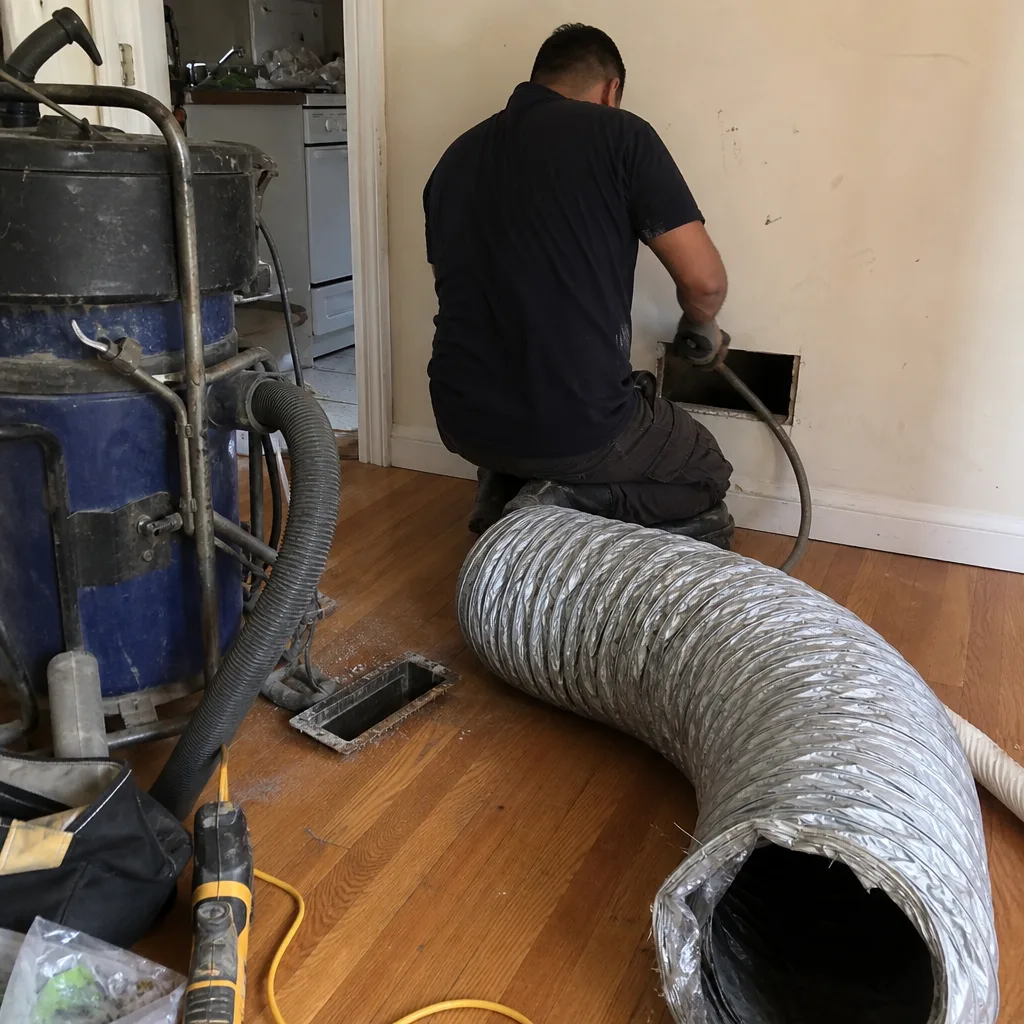 Before
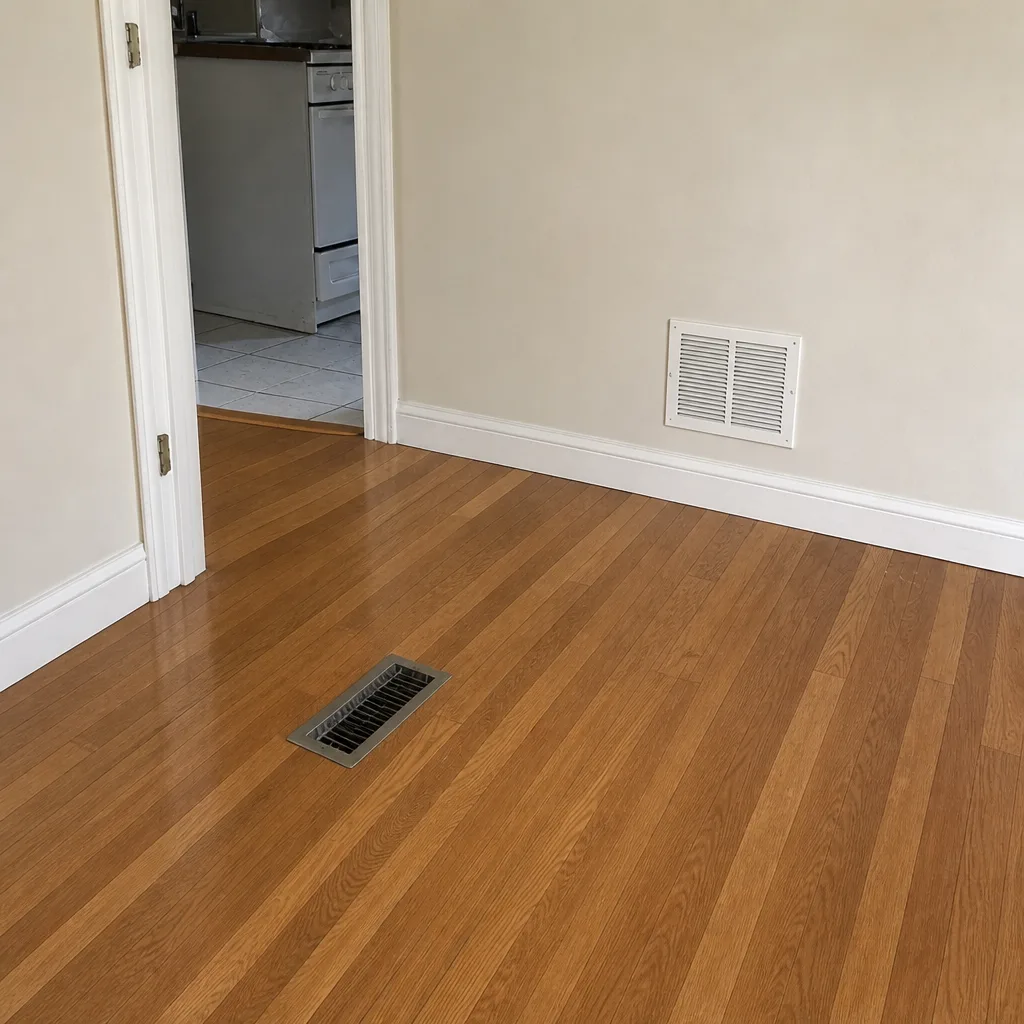 After
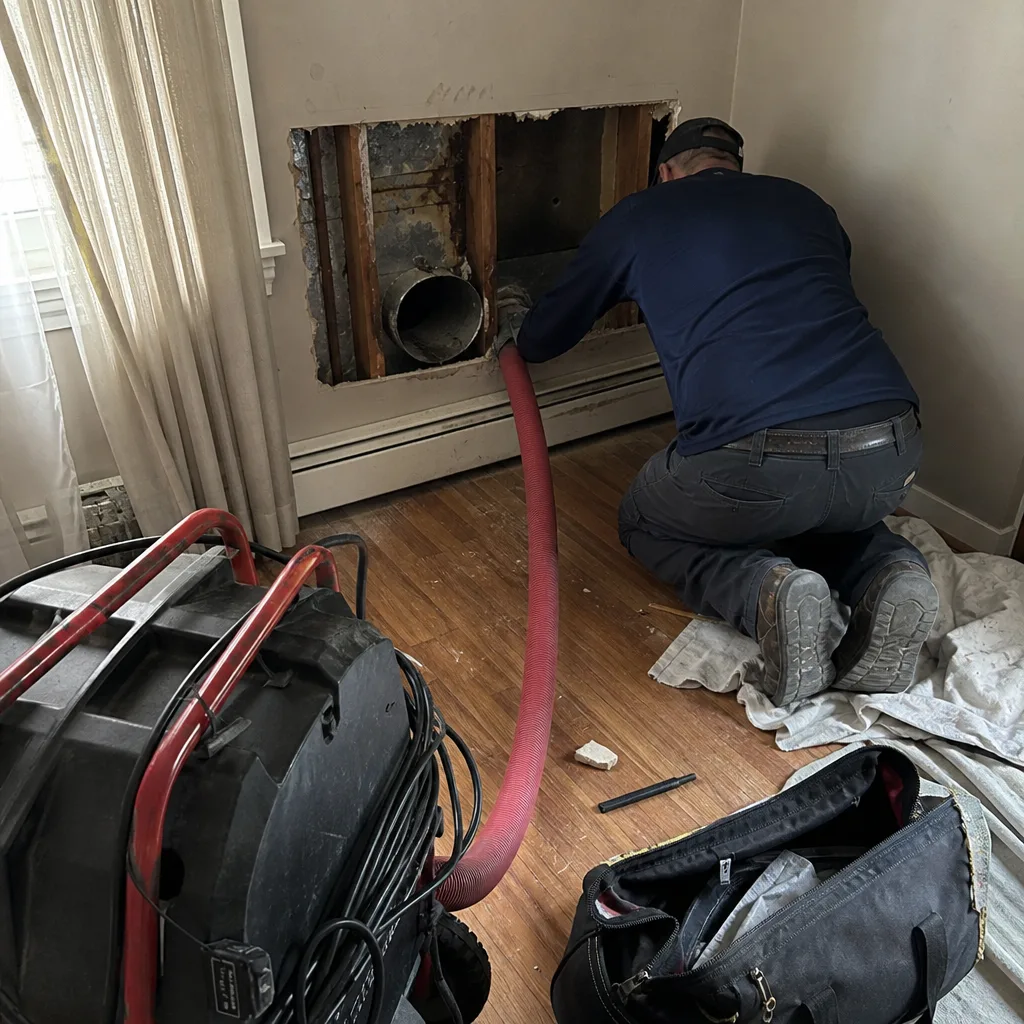 Before
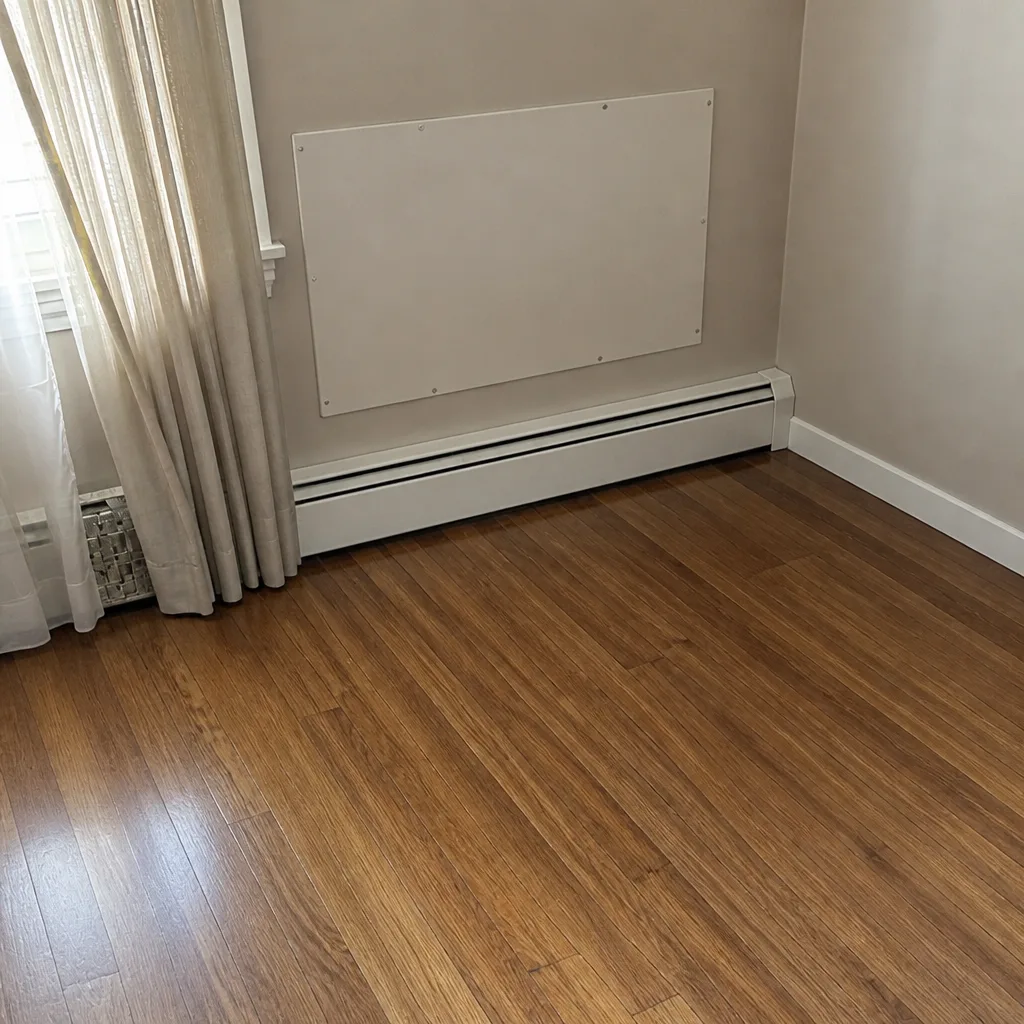 After
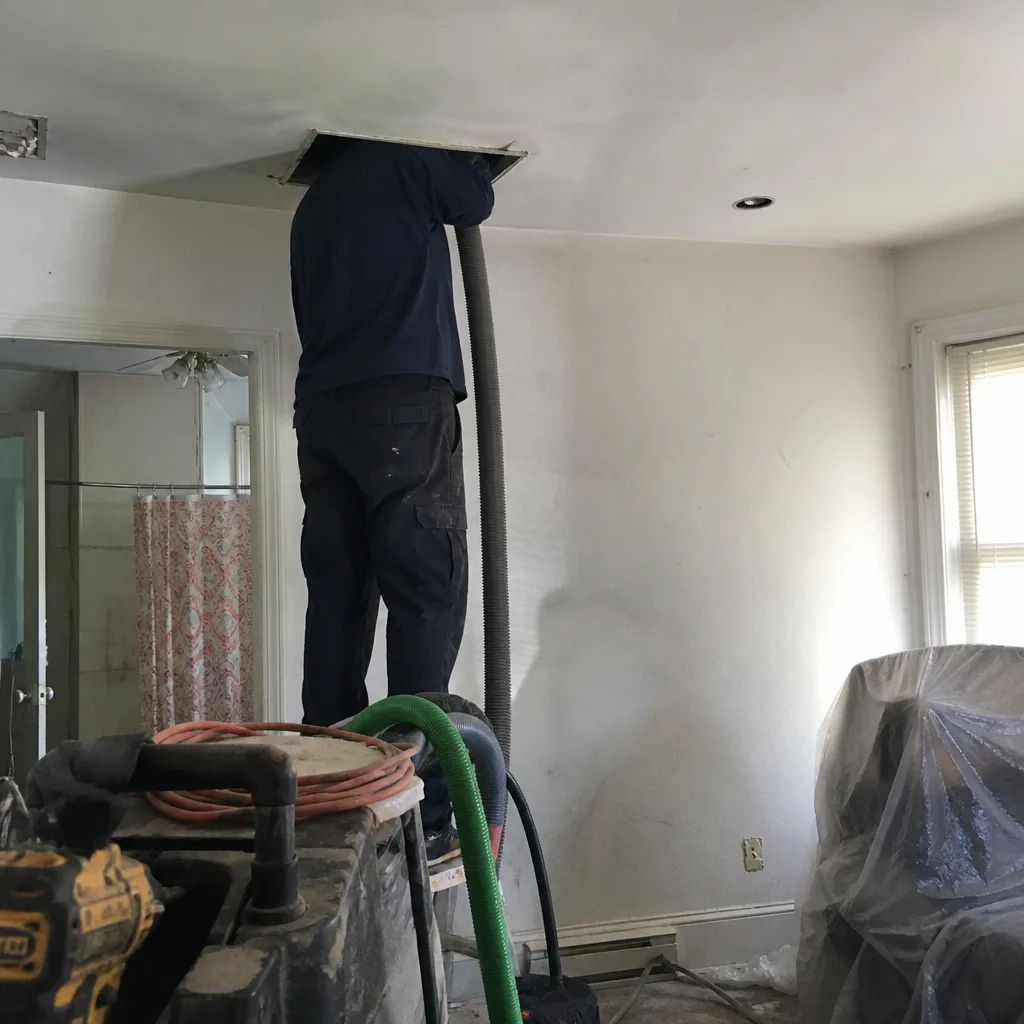 Before
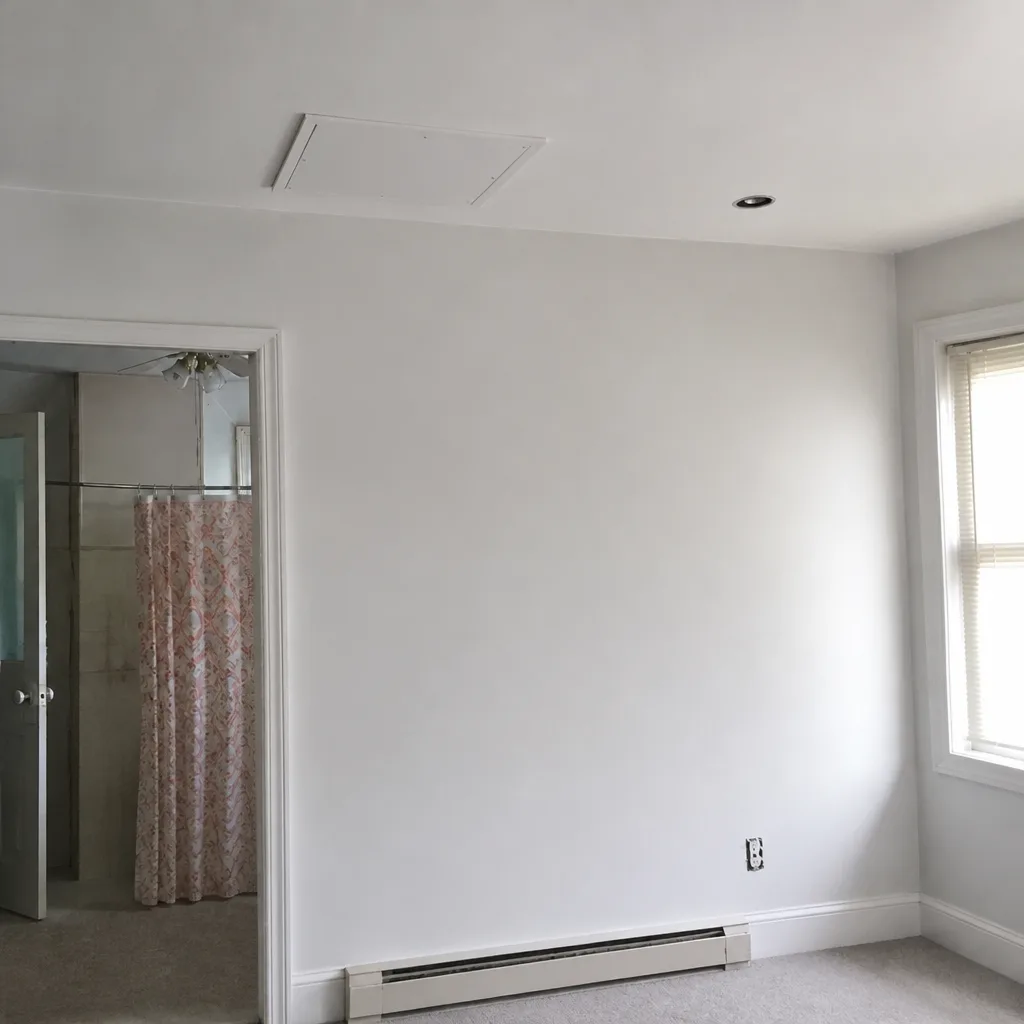 After
When to Call a Professional
Some duct issues are cosmetic, and some are system problems. Call a professional when you notice any of the following: visible dust plumes from registers when the blower kicks on, a musty or chemical smell that intensifies when the HVAC runs, rooms that get noticeably less airflow than they used to, a dryer that takes longer than usual to dry a load, or allergy symptoms that flare up indoors and ease outdoors. In a Riverdale home with older ductwork and a retrofitted HVAC system, any of those signals usually indicates debris buildup, disconnected branches, or airway leakage that surface cleaning won’t fix. If the ducts haven’t been serviced in recent years and you’ve just moved in, a proper inspection makes sense before the first heating or cooling season. Riverdale Air Duct Cleaning offers free estimates in Riverdale – call (877) 792-7057. We answer 24/7. Fast dispatch from 7am to 7pm, Sunday through Friday.
Frequently Asked Questions
For a typical Riverdale home, the honest range for a full-system clean runs from a few hundred dollars on the low end to a four-figure total for larger homes with multiple systems or an air handler that hasn’t been touched in years. The final number should come from a walkthrough-based written estimate with a fixed scope, one flat price per system, no per-vent line items. If you’re given a much lower headline price on the phone, ask what it covers before you book. Call (877) 792-7057 for an exact quote. Estimates are free.
No. New York State does not require a license to perform air duct cleaning, which is why verifying credentials matters so much here. NADCA membership, proof of negative-air equipment, liability insurance, a written scope, and a documentation policy are the real filters, because the state doesn’t provide one. Ask for each of them before you book.
Because the low ones are often teaser prices, not quotes. A contractor advertising a very low headline number is typically planning to add line items once the crew is on site, sometimes several times the advertised price by the time they finish the walkthrough. The legitimate alternative is a walkthrough-based quote with a fixed scope, so you know the full total before the first access panel comes off. Call (877) 792-7057 to get a fixed-scope estimate.
Ask for before-and-after photographs of your own ducts, the air handler, and the registers. A contractor with a real documentation policy provides these as standard, not as an extra. If a crew does the work and leaves without documentation, you have no way to verify what was cleaned, how far they got, or what they found.
There’s no universal schedule. Households with pets, allergy-sensitive residents, recent renovation dust, or a system that hasn’t been cleaned in many years benefit from more frequent attention, while a well-maintained home with a good filter may need it far less often. In Riverdale’s older, retrofitted housing, the walkthrough is what tells you whether the system needs work now or can wait. Ask for a walkthrough, not a schedule, before you commit. Call (877) 792-7057 to schedule yours.
The system normally stays off during the cleaning, then gets turned back on for testing afterward. The negative-air machine is doing the extraction work, and running the HVAC at the same time would redistribute debris through the system. A contractor who plans to clean with the system running isn’t using negative-air extraction properly, and you should ask directly about containment before you book.
The Bottom Line
New York doesn’t license air duct cleaners, so a real hiring filter has to come from you. In practice, that means five things: NADCA membership, proof of negative-air equipment with a specific CFM rating, a current certificate of liability insurance, a written scope of work, and a before-and-after documentation policy. Add an on-site walkthrough instead of a phone quote, and a written contract that names access points, containment plan, sanitizer disclosure, and any sealant warranty. Do those five things and you’ll avoid the bait-and-switch pricing model that runs this trade across Riverdale and the wider New York metro. The right contractor shows up, walks the system, prices it in writing, and photographs the results before and after. If you’d like to start with our estimate, the through-line from the air handler to every register is what we clean, test, and document. For air duct cleaning, our full-system service covers everything on this checklist. Ready to schedule? Call (877) 792-7057 for a free estimate. We answer 24/7. Fast dispatch from 7am to 7pm, Sunday through Friday.
Written by the team at Riverdale Air Duct Cleaning.