
Last updated November 22, 2026
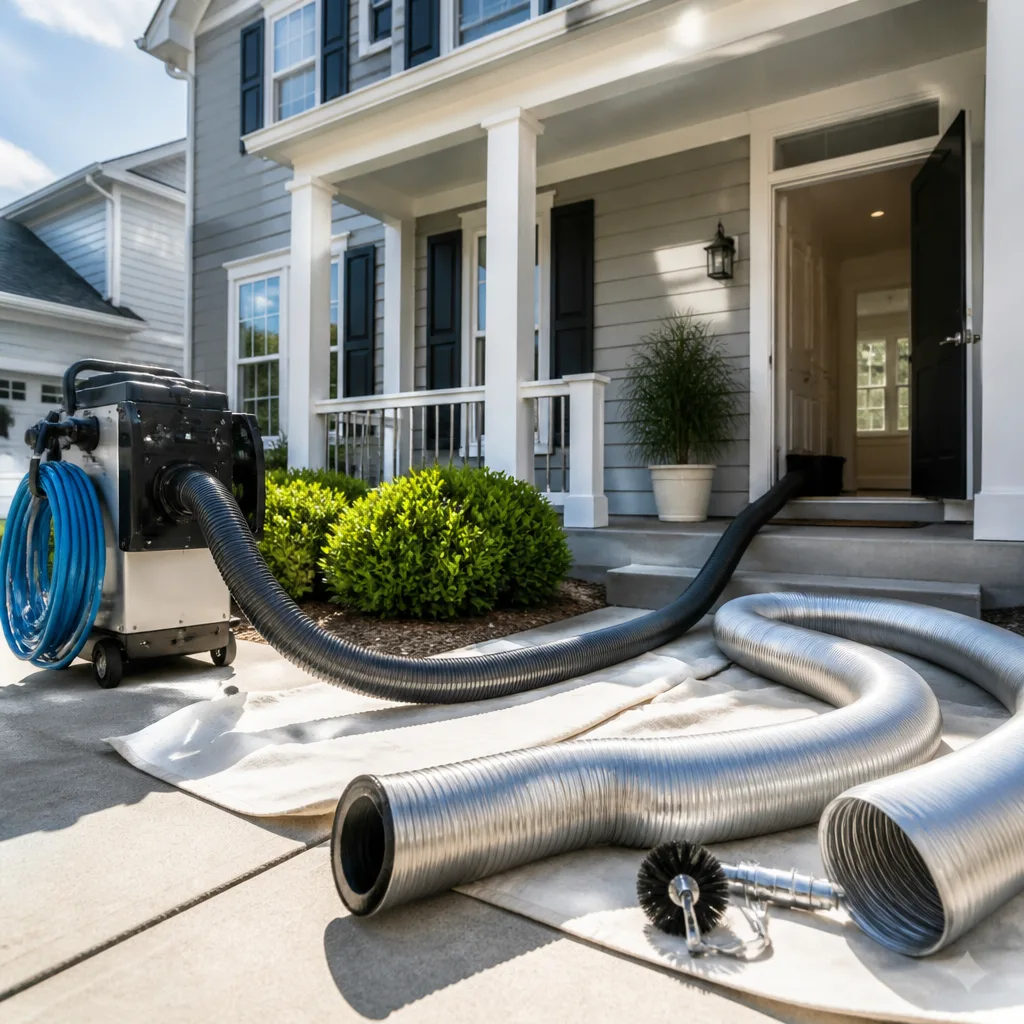 Whole-home duct cleaning
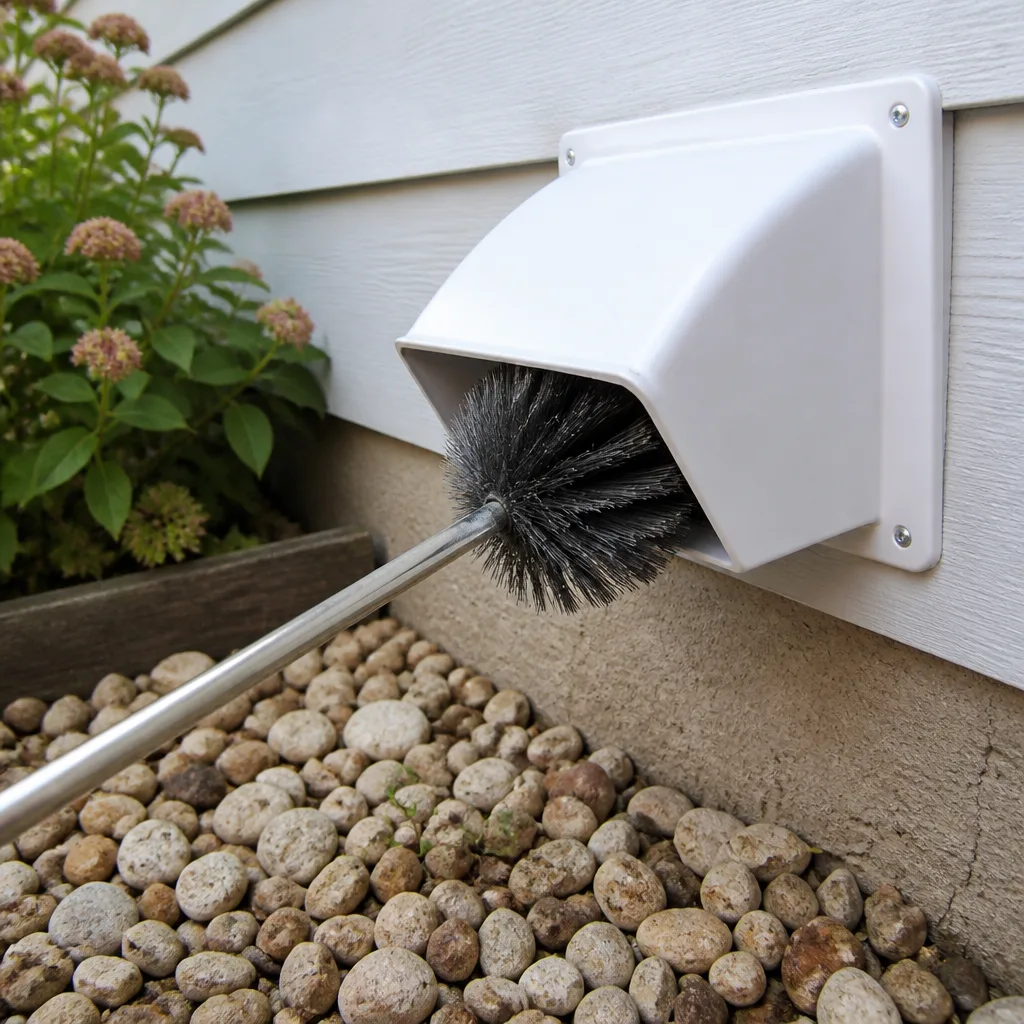 Dryer vent cleaning
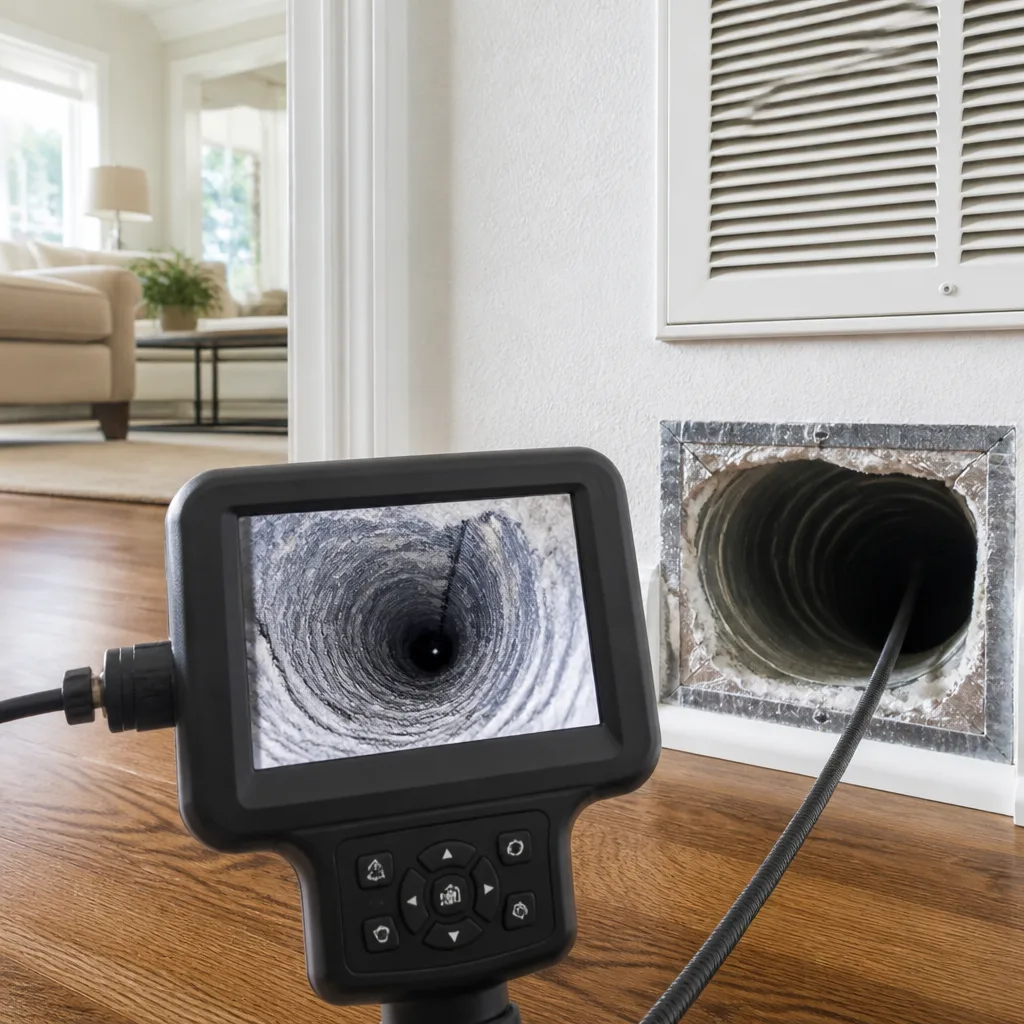 Camera inspection
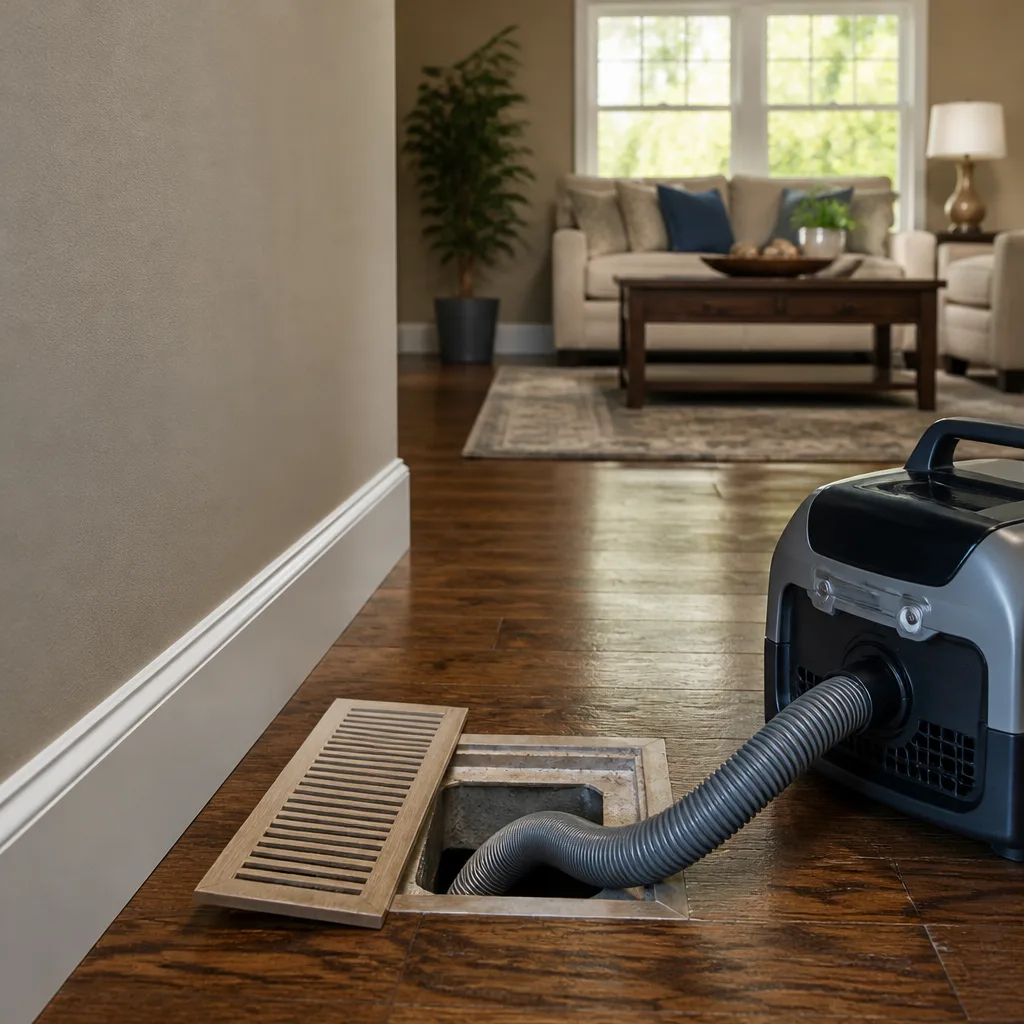 Sanitizing & deodorizing
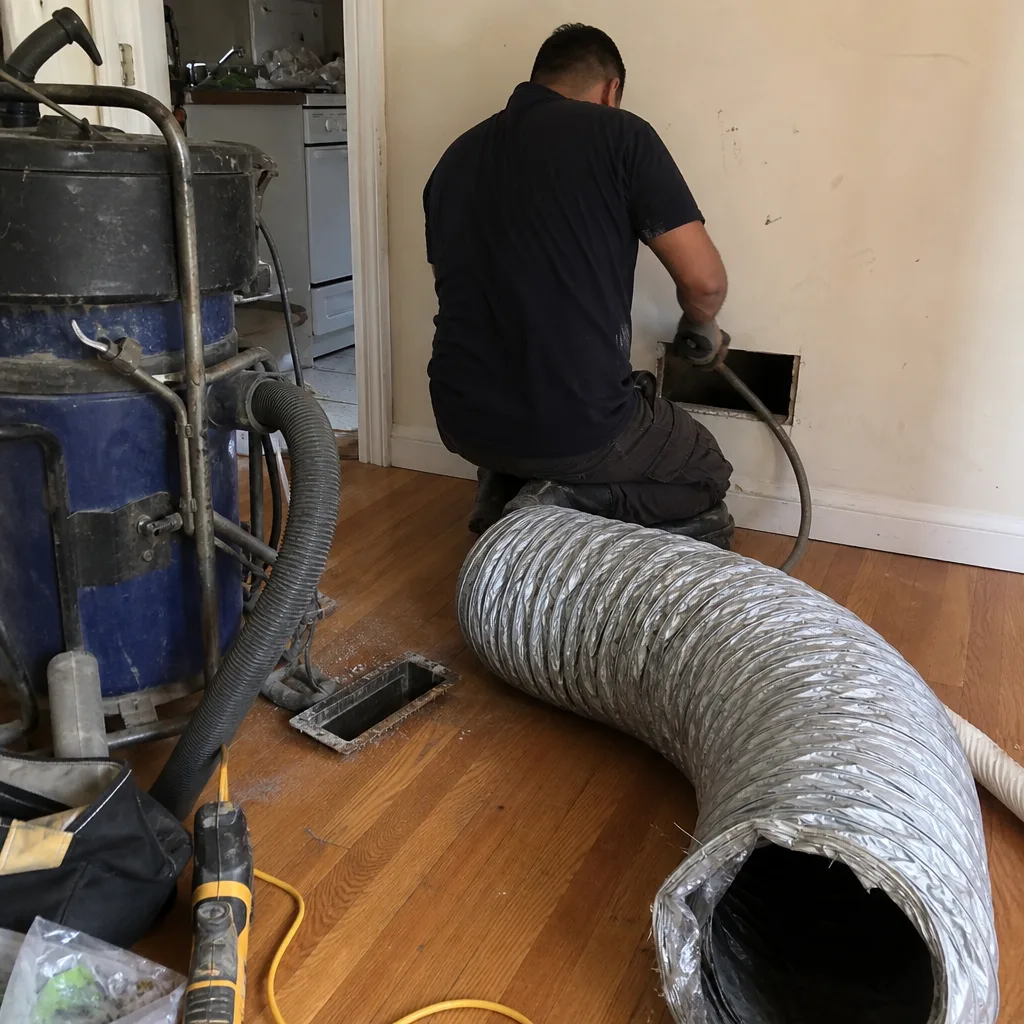
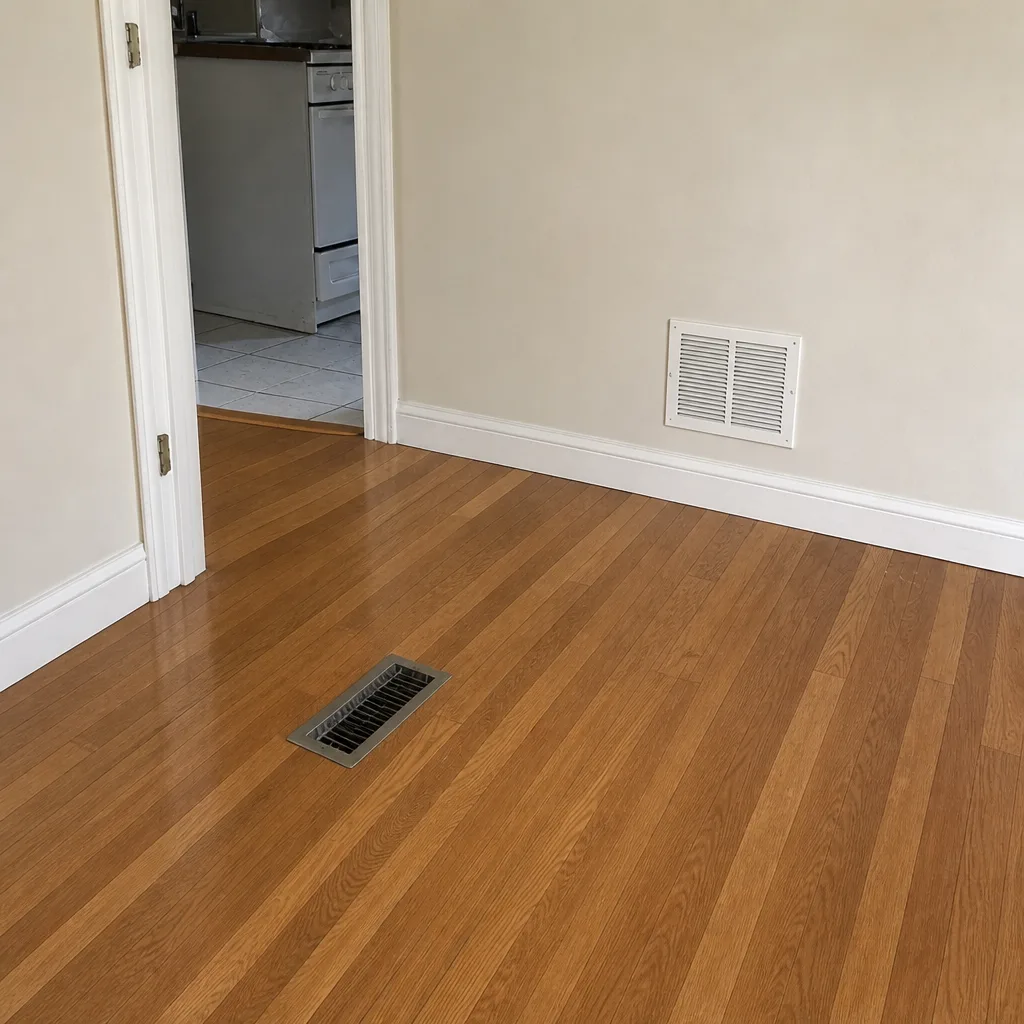
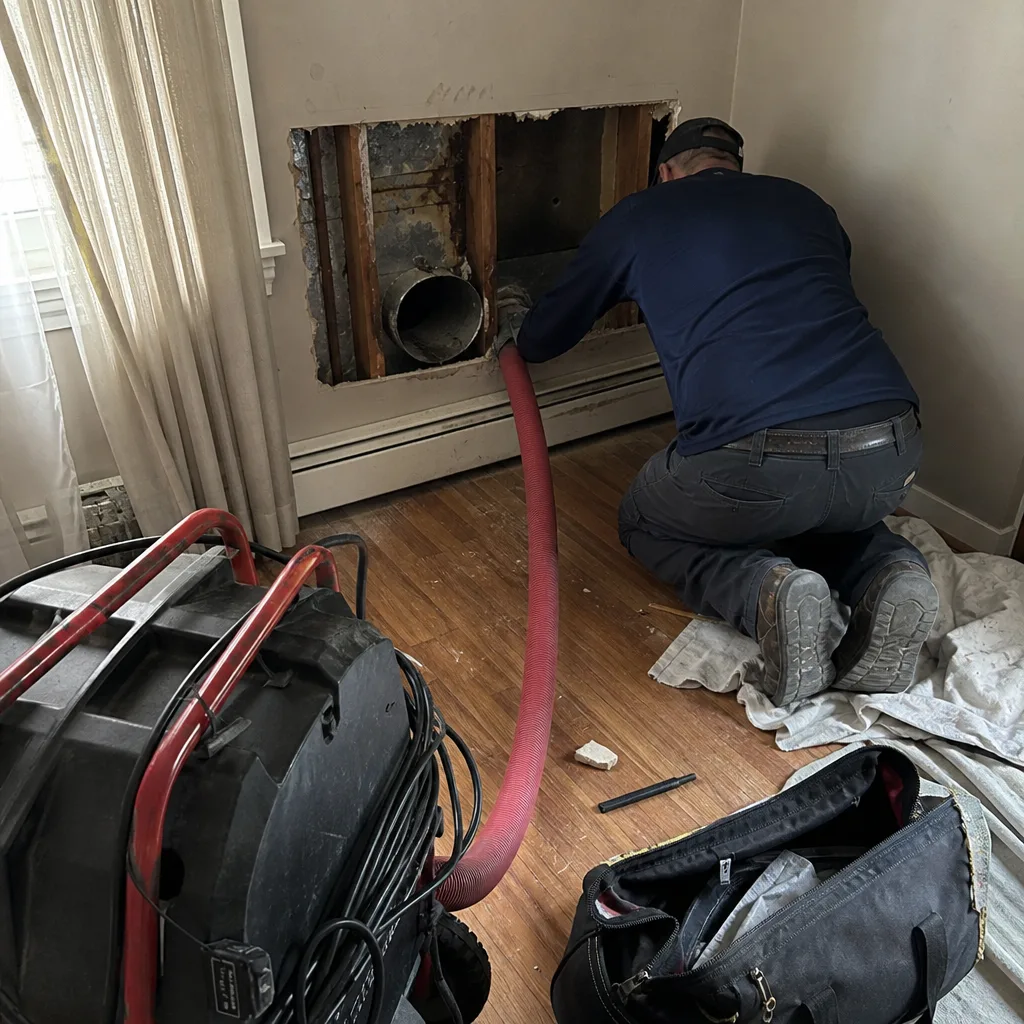
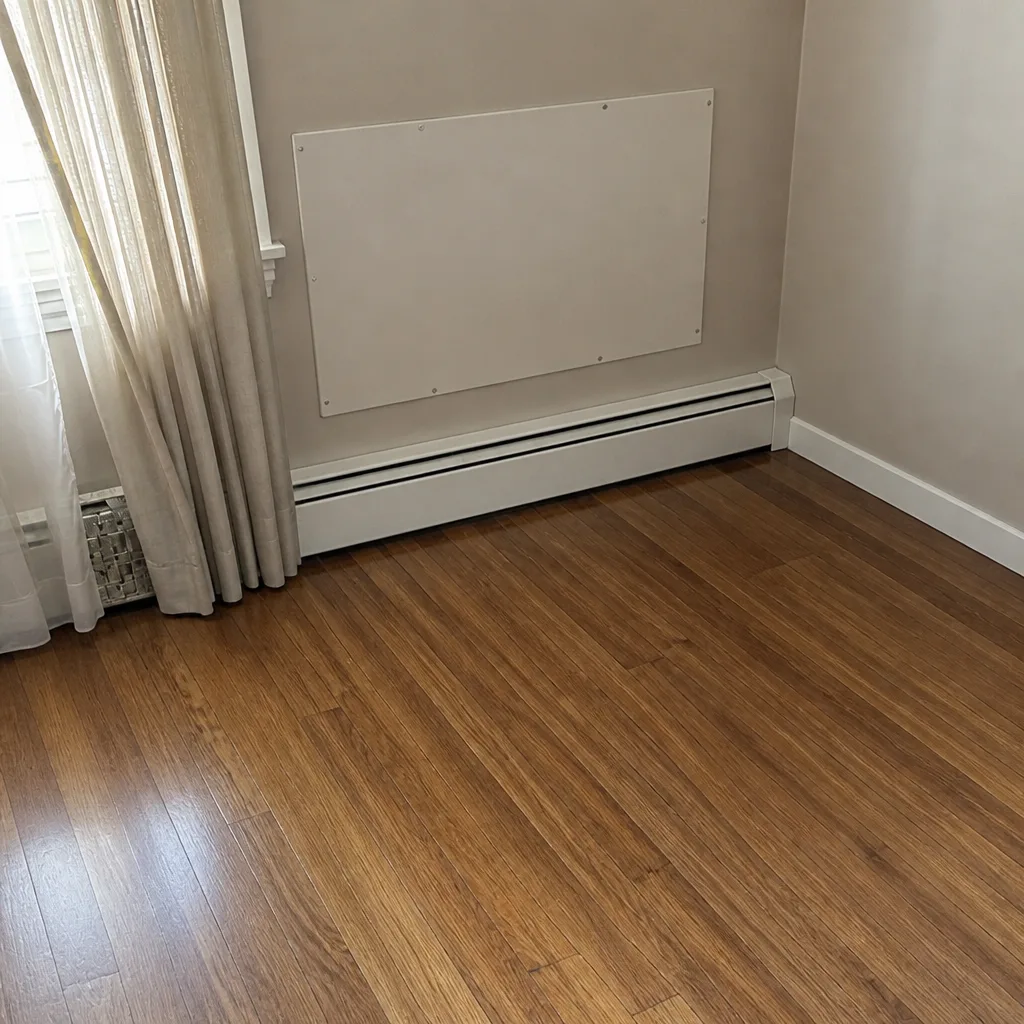
Whole-system duct and dryer vent check with before-and-after photos - you see exactly what came out of your vents
That "$99 whole-house special" is a bait ad - the real number appears once they are in your hallway, or the "clean" is a shop-vac at the register. We photograph the inside of your ducts before and after instead.
Air Duct Cleaning Emergency Preparedness Guide for Riverdale Homes
Most Riverdale households have a plan for a power outage and a rough idea of what to do if the basement floods. Almost none have a plan for what happens to the ductwork afterward. The hidden risk isn’t the water you can see on the floor. It’s the moisture that climbs into insulated flex duct, settles on the interior liner, and starts feeding mold colonies within days while the HVAC system keeps circulating that air through every room. A wet duct system that gets dried and ignored is a contamination problem in progress. This guide walks through the three emergencies that demand immediate duct attention, the hour-by-hour response for each, how to document everything an adjuster will ask for, and the checklist to have ready before anything goes wrong. Riverdale homes face particular challenges, and we’ll cover those too.
Quick Answer
If water, smoke, or rodents have reached your ductwork in Riverdale, the correct sequence is: stop running the HVAC immediately, document the damage with photos before cleanup, get the system assessed in writing, then seal to stop contamination spread before any full cleaning. Running the system after contamination is the single worst thing a homeowner can do. Getting a qualified contractor on-site within the first 24 to 72 hours is what separates a cleanable system from one that needs partial replacement.
Styles & brands we work with
- Whole-home duct cleaning
- Dryer vent cleaning
- Camera inspection
- Sanitizing & deodorizing
Table of Contents
- The Three Duct Emergencies That Demand Immediate Action
- Water Intrusion: What to Do in the First Hour, First Day, and First Week
- Fire and Smoke Events, Including Neighboring Unit Fires in Co-ops
- Rodent Nesting Inside Ductwork: Why This Is a Contamination Emergency
- Emergency Sealing vs. Full Cleaning: Why the Order Matters
- Documentation for Insurance Claims Involving Duct Contamination
- The Riverdale Preparedness Checklist: What to Have Ready
- Before You Turn the System Back On
The Three Duct Emergencies That Demand Immediate Action
Not every duct problem is an emergency. A dusty system that hasn’t been touched in years is a maintenance issue and can wait for a scheduled visit. Three specific scenarios cannot wait, because in each one the contamination is either actively spreading or actively growing every hour the system runs.
The first is water intrusion that reaches the duct pathway. This includes basement flooding, a burst supply line, a roof leak running down a wall chase, or a condensate pan overflow in the air handler closet. Water in a duct is different from water on a floor. The insulation inside flex duct holds moisture against the liner, and the dark, humid interior is exactly the environment mold needs.
The second is any fire or smoke event that pushes combustion residue into the return side of the system. Smoke particles are microscopic and travel through every duct run. In a co-op, a fire in an adjacent unit can push smoke through shared wall cavities and into your supply registers even if your own unit was never touched.
The third is confirmed rodent nesting inside the ductwork. Not droppings near a register. Actual nesting material, urine staining, and chewed insulation inside the duct pathway. Rodent activity in a duct system is a biohazard situation, not a cleaning preference, because droppings and urine aerosolize every time the blower runs.
In each of the three, the response window is measured in hours, not weeks. The single most important first action is always the same: shut the system down.
Water Intrusion: What to Do in the First Hour, First Day, and First Week
A flooded basement in Riverdale, or a burst pipe anywhere in the house, puts the duct system on a clock the moment water touches the pathway. What follows is the sequence we walk homeowners through when they call about a water event.
First hour
- Shut off the HVAC system at the thermostat, then at the breaker. Do not run the fan to “dry things out.” That circulates moisture and airborne spores through the entire house.
- Stop the water source if it’s safe to do so. If it’s a burst line, close the main shutoff.
- Start photographing before anything is moved. Wide shots of the space, then close-ups of any wet insulation at the air handler, water lines inside the duct opening, and the register closest to the water.
- Call your insurer to open a claim and ask whether ductwork is covered. Many standard policies cover the water damage but treat duct cleaning as a line item that needs a written justification.
- Call a duct specialist. Water in the system is a same-day assessment, not a next-week appointment. Call (877) 792-7057. We answer 24/7. Fast dispatch from 7am to 7pm, Sunday through Friday.
First 24 hours
By now the water should be extracted or evaporated from hard surfaces, but the duct interior is another story. Insulated flex duct that took on water usually needs replacement rather than cleaning, because the insulation lining stays damp. Rigid sheet metal duct can sometimes be cleaned and dried, but it needs to be assessed by someone who knows what to look for, not just vacuumed and called done. This is the window when a specialist should be on-site with an Abatement Technologies air scrubber available to control airborne particulates during the assessment itself.
First week
If the duct interior was wet and not addressed, mold colonies can be established by this point. A full-system assessment confirms where moisture remains, whether microbial growth has started, and whether the right next move is mechanical cleaning, sanitizing, or partial duct replacement.
Fire and Smoke Events, Including Neighboring Unit Fires in Co-ops
Fire residue in a duct system is a specific hazard because the ductwork distributes fine soot particles into the air the system then moves through every room. In a single-family home, this usually follows a kitchen fire, a chimney event, or a fire contained to one room. When smoke travels into the return duct, it deposits oily residue on every duct wall, which is why the smell keeps returning even after hard surfaces are wiped.
In Riverdale co-ops, the situation is different and often overlooked. A fire in an adjacent unit can push smoke into shared wall cavities and through gaps around supply registers into a unit that never had a flame in it. The homeowner comes home to smoke odor that can’t be tracked to anything in the apartment. The fire department and building management may have already cleared your unit as safe. That doesn’t mean your ductwork is clear.
What to do after a fire event
- Shut the HVAC down until the system has been assessed. Running it in a smoke event spreads soot onto coil surfaces and into every room.
- Confirm with building management that the fire separation and shared systems have been inspected, particularly in a co-op
- Take baseline photos of smoke residue at registers before any wiping happens. The adjuster needs to see what was there before cleanup.
- Request a written assessment of the duct system from a qualified contractor. Most fire-related duct claims require this before the insurer will approve cleaning or replacement.
- Have the system cleaned and, if odor is persistent, treated with a Guardsman-level sanitizing treatment that addresses microbial residue and odor at the source rather than masking it.
Rodent Nesting Inside Ductwork: Why This Is a Contamination Emergency
Rodent activity in a duct system is not the same as seeing a mouse in the kitchen. The duct interior is dark, protected, and warm, which is why mice and squirrels will enter through a damaged exterior termination or a disconnected boot and build nests inside the duct or in the ceiling void above it. The telltale signs are droppings near a register, scratching or scurrying sounds when the blower comes on, and a persistent musty odor that doesn’t clear.
The reason this is a contamination emergency is straightforward: rodent urine and droppings carry pathogens, and every time the blower runs, particles from nest material and waste are pulled into the supply air and delivered to every room. Mechanical cleaning alone is not enough in this scenario. Disinfection and, if the duct was physically chewed through, repair and sealing are required afterward.
What to do if rodent nesting is suspected in a Riverdale home
- Stop running the HVAC system until disinfection and cleaning have been completed.
- Get the pest issue resolved separately. A duct specialist cleans and sanitizes the system; the entry point and animal removal are a pest-control matter.
- Photograph the evidence without disturbing it. Droppings, chewed insulation, and nesting material visible at the register are all documentation points.
- Schedule full-system cleaning and sanitizing, not just a vacuum of the accessible runs. Nesting often extends into duct sections that are out of sight from the register.
- Have the duct repair and sealing stage confirm any chewed openings or disconnected joints are sealed, or the problem recurs.
This is where our air duct cleaning service and our repair and sealing work belong in the same visit rather than two separate contractor calls.
Emergency Sealing vs. Full Cleaning: Why the Order Matters
The sequence that trips people up after a flood, fire, or rodent event is the order of operations. Emergency sealing and full cleaning are two different things, and doing them in the wrong order wastes the first and undoes the second.
Emergency sealing is the step that stops contamination from spreading further into the house. It covers disconnected joints, cracked boots at the register, chewed flex duct from a rodent event, and gaps at the air handler where unfiltered air enters. The purpose is containment: stopping the path between the contaminated duct and the living space.
Full cleaning is the step that removes the contamination that’s already there. Negative-air extraction with a Nikro machine pulls particles out of the system while a Rotobrush rotary brush disturbs and lifts debris from the duct walls. The two run together. You can’t vacuum a system with a broken joint and expect it to stay clean five minutes later.
In most Riverdale emergencies, the right order is: assess, seal, clean, then sanitize. Sealing first prevents the duct from taking on new contaminants during the cleaning. Cleaning removes what was there. Sanitizing addresses microbial residue left behind by mold or rodent activity, which mechanical removal alone doesn’t handle.
This is the difference between a surface vacuum and treating the airflow system from the air handler to every register. Clean ducts are only part of the story. Sealed, repaired ducts keep them clean longer.
Documentation for Insurance Claims Involving Duct Contamination
Most duct-related insurance claims fail on documentation, not on the merits. The adjuster needs to see the pathway of contamination, the extent of affected ductwork, and a written assessment from a qualified contractor explaining what needs to happen for the system to be safe to run again. Here’s what to gather.
- Wide photos of the space showing the source of the water, smoke, or rodent activity before anything is moved or wiped.
- Close-ups of the air handler, register boots, and duct openings showing moisture, soot residue, or nesting evidence.
- A photo of your HVAC model plate and filter size for identification purposes.
- A written assessment from the contractor stating whether the affected duct is cleanable, needs sanitizing, or requires replacement.
- A copy of the service invoice tied to the claim after the work is completed, with a line-item description of the scope.
- The building management incident report, if applicable, for a co-op fire or a shared-system water event.
The written assessment point is critical. Adjusters are not HVAC specialists, and a claim stated as “the ducts need cleaning” usually gets denied. A claim stated as “insulated flex in the basement run absorbed standing water, has visible microbial growth on the interior liner, and cannot be cleaned” is a claim that gets approved. That’s the assessment that matters, and it’s the one we produce when we’re called in.
The Riverdale Preparedness Checklist: What to Have Ready
The reason responses stall in the first hour of an emergency is that homeowners spend it finding information. Have these ready before anything goes wrong, and the response window shrinks fast.
- Locate the HVAC shutoff. Usually the breaker labeled for the air handler or furnace. Know which one it is.
- Write down the system type and model numbers for the air handler and outdoor unit, and the filter size. A photo on your phone works fine.
- Note the access points for your duct system. Where the main trunk is, where the first register is, where the air handler closet is.
- Keep a rough duct layout sketch. If a prior contractor produced one, keep it. If not, a hand sketch showing which runs go to which rooms is enough.
- Save your building manager’s contact if you’re in a Riverdale co-op. Building systems, shared walls, and fire separation all touch your duct answer.
- Know your insurer’s claim line and where your policy is stored. A photograph of the policy number in a document app is fine.
- Have a licensed duct contractor’s number on hand. Ideally before the emergency. Ours is (877) 792-7057.
Before You Turn the System Back On
The last step in any emergency response is confirming the system is safe to run again, and most homeowners skip it. There are three things that should be true before the thermostat goes back to normal.
First, the system has been visually confirmed dry and clear. A technician should have looked inside the air handler cabinet, checked the condensate pan and drain, and confirmed no standing water or debris remains at the unit.
Second, all sealing work is complete. Disconnected boots, cracked flex, and open cavities at the air handler are sealed so the system won’t pull attic, crawlspace, or wall cavity air into the supply.
Third, filters have been replaced. A filter that saw smoke, mold spores, or rodent debris needs to be swapped, not tapped clean.
If the system was cleaned and sanitized, the technician should confirm the interior is dry and clear before the blower comes back on. Running a moist system is how you undo a clean. This step is also where the difference between a full cleaning and a surface vacuum shows up. In our experience, the calls we get after a poorly done job are almost always a technician who never checked the air handler cabinet. Our HVAC cleaning service includes that cabinet, the coil, and the drain pan, because those are where moisture hides.
Common Mistakes to Avoid
- Running the HVAC to “dry out” the system after a water event. The blower spreads moisture and airborne spores into every room in the house. Shut it down first.
- Wiping smoke residue or mold growth before photographing it. The adjuster needs to see what was there before cleanup began, or the claim is denied on documentation.
- Hiring the cheapest vacuum-only duct cleaner after a fire, flood, or rodent event. Those events need mechanical cleaning plus sanitizing, and often sealing or partial replacement. A coupon-priced vacuum leaves the contamination behind.
- Skipping the air handler cabinet during the assessment. The coil, drain pan, and blower compartment are where mold establishes its foothold. If those weren’t checked, the system isn’t done.
- Assuming a neighboring co-op fire didn’t affect your ducts. Smoke pushes through shared wall cavities and register boots. If you smell smoke and there was never a fire in your unit, that’s exactly what happened.
- Handling the pest issue and the duct issue as one job. Pest control removes the animal and the entry point. The duct specialist cleans, sanitizes, and seals the pathway. Two separate licenses, and both are required.
- Re-sealing before cleaning. Sealing a contaminated system just locks the contamination inside. Assess, seal leaks, clean, then sanitize.
See the difference
 Before
 After
 Before
 After
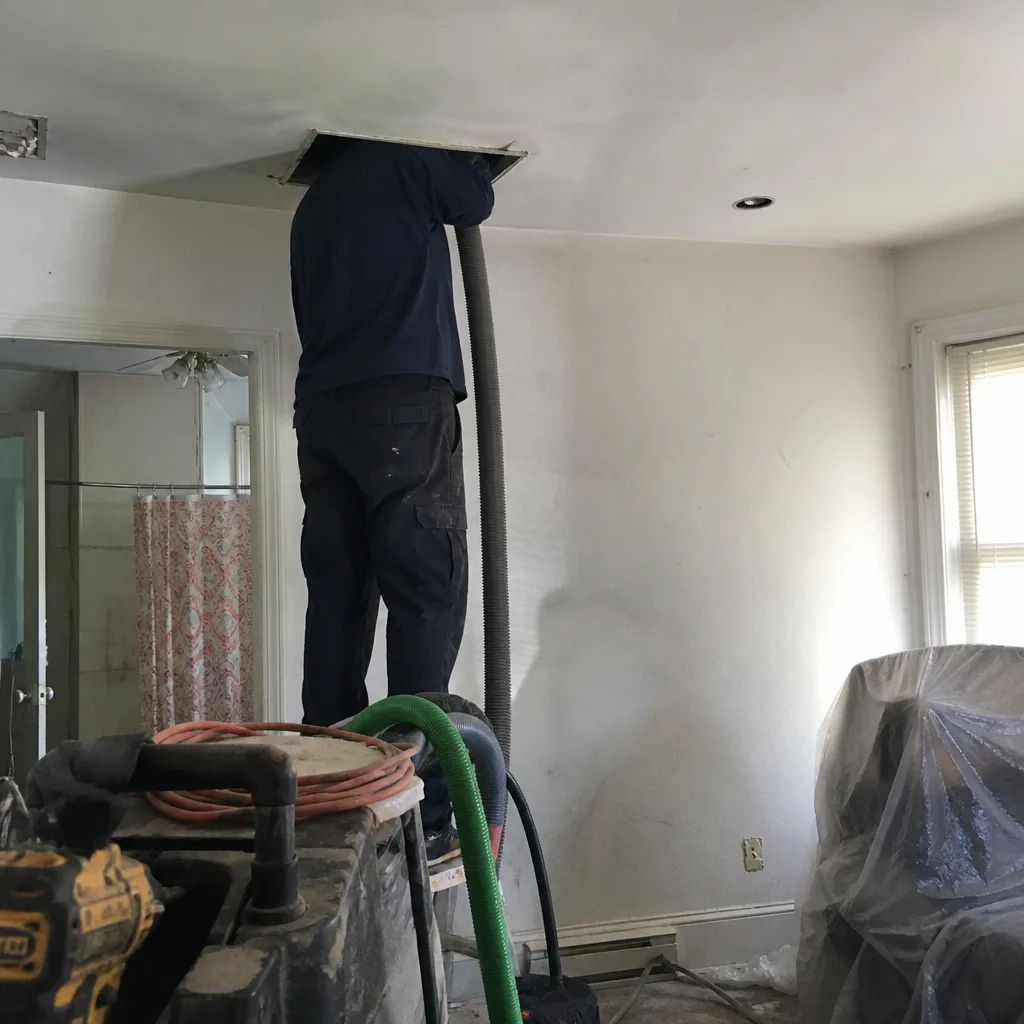 Before
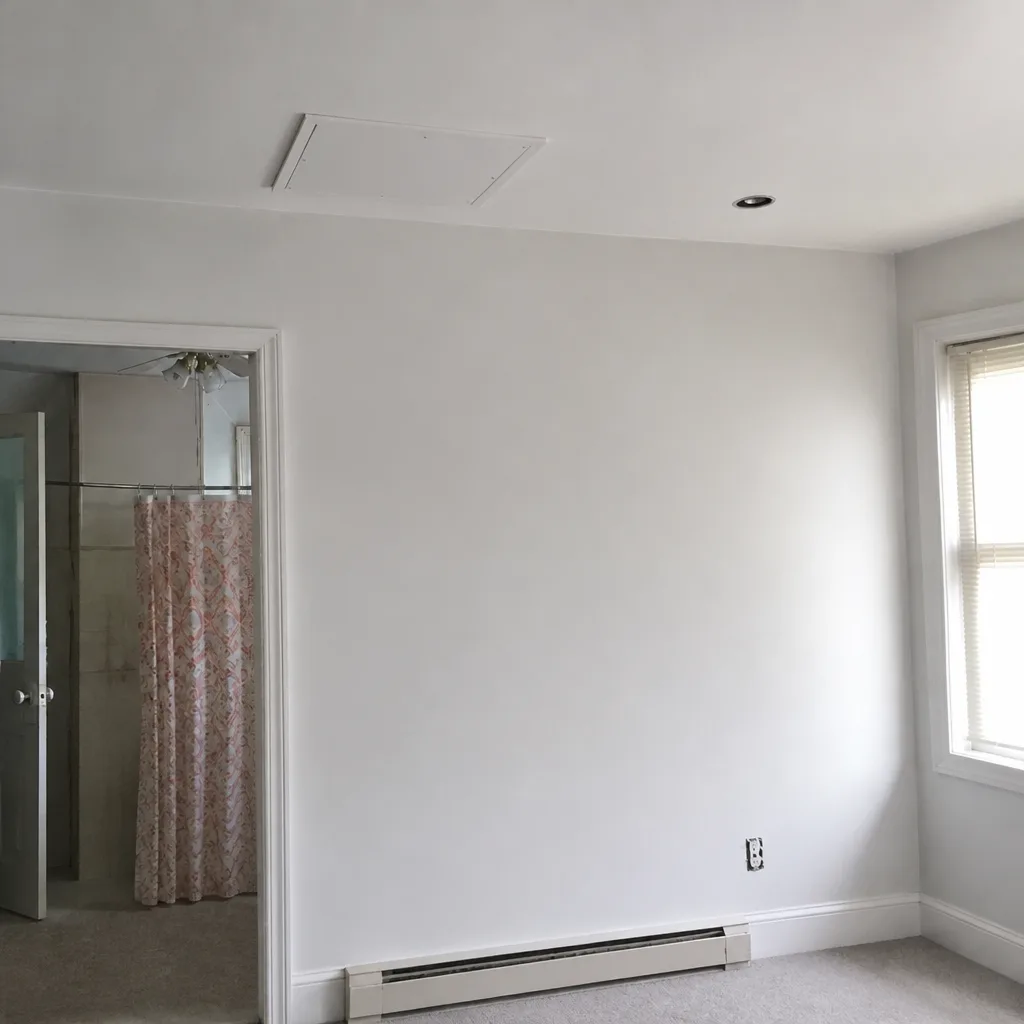 After
When to Call a Professional
Call for any of these, and don’t wait: water that reached the duct pathway, smoke odor that lingers after a fire (yours or a neighbor’s), rodent evidence inside or around registers, visible mold at any supply or return, or any event where you’re unsure whether the ductwork was affected. The inspection is free and the price is set per job by a written estimate, so there’s no risk in having someone look. If the system is fine, you’ll know that and can stop worrying. If it isn’t, you’ve caught it before mold or contamination has had a chance to establish. Riverdale Air Duct Cleaning offers free estimates in Riverdale. Call (877) 792-7057. We answer 24/7. Fast dispatch from 7am to 7pm, Sunday through Friday. Our technicians have up to 13 years of experience and the equipment to handle a contained cleaning or a full remediation-level sanitizing in the same visit.
Frequently Asked Questions
Three scenarios: water intrusion that reaches the duct pathway, a fire or smoke event (including a neighboring co-op fire that pushed smoke into your unit), and confirmed rodent nesting inside the ductwork. Anything else is a maintenance issue that can wait for a scheduled visit. In all three emergencies, shut the HVAC system down at the breaker before doing anything else.
Treat the first 24 to 72 hours as the response window. Water inside insulated flex duct stays trapped against the liner, and the dark, warm interior is exactly what mold needs to establish colonies. Getting a specialist on-site inside that window is what keeps a wet system cleanable rather than requiring replacement. Call (877) 792-7057 for a free estimate.
Usually it does, provided the claim is documented correctly. The most common failure point is a claim submitted as “the ducts need cleaning,” which gets denied. A claim with photos of the affected duct and a written assessment from a qualified contractor explaining whether the duct is cleanable, needs sanitizing, or requires replacement is a totally different submission. Get the written assessment and the insurer has what it needs.
In a Riverdale co-op, smoke from a neighboring unit can push through shared wall cavities and building systems into your unit. It’s easy to miss because nothing in your own apartment burned. The ductwork still needs to be assessed and, if smoke residue is present, cleaned and treated with a sanitizing product. Call (877) 792-7057 and we’ll take a look.
No. Rodent urine and droppings in a duct system are a biohazard, and a homeowner vacuum doesn’t’ remove the contamination from the duct wall or disinfect it. Mechanical cleaning with a rotary brush plus sanitizing is what’s required, and if the duct was chewed through, repair and sealing afterward. That’s the pathway, and it’s not a weekend project. Call (877) 792-7057 for a free estimate.
No. Shut it down at the breaker until the system has been assessed. Running the blower circulates moisture, soot, mold spores, or rodent debris through every room in the house. The only correct first action in any of the three emergency scenarios is to stop the system. Call (877) 792-7057. We answer 24/7. Fast dispatch from 7am to 7pm, Sunday through Friday.
The Bottom Line
The emergencies that cause the most expensive duct damage in Riverdale are the ones nobody planned for: water reaching the duct pathway, a fire (sometimes not even in your own unit), and rodent nesting inside the system. In each case, the response window is hours, not weeks, and the first action is always the same: shut the system down. Seal, then clean, then sanitize. Document everything before cleanup. And keep the phone number of a qualified contractor on hand before you need it. That’s the whole guide in four sentences. Everything else is detail. Call (877) 792-7057 for a free estimate, any hour, and our team can have eyes on your system fast.
Prepare Before You Need It
If you own or manage a home in Riverdale, the useful version of emergency preparedness is small and specific. Know where the breaker is. Have a photo of your HVAC model plate. Have a licensed contractor’s number saved. A quick call now to confirm the system is in good shape is far cheaper than a call after a flood. Call (877) 792-7057. We answer 24/7. Fast dispatch from 7am to 7pm, Sunday through Friday. Free estimates, price per job by written estimate. Our full-service menu runs from dryer vent cleaning to full-system cleaning, repair, sealing, and sanitizing, so a single visit can put everything in order. Riverdale Air Duct Cleaning handles the whole system from the air handler to every register.
Written by the team at Riverdale Air Duct Cleaning.