
Last updated November 22, 2026
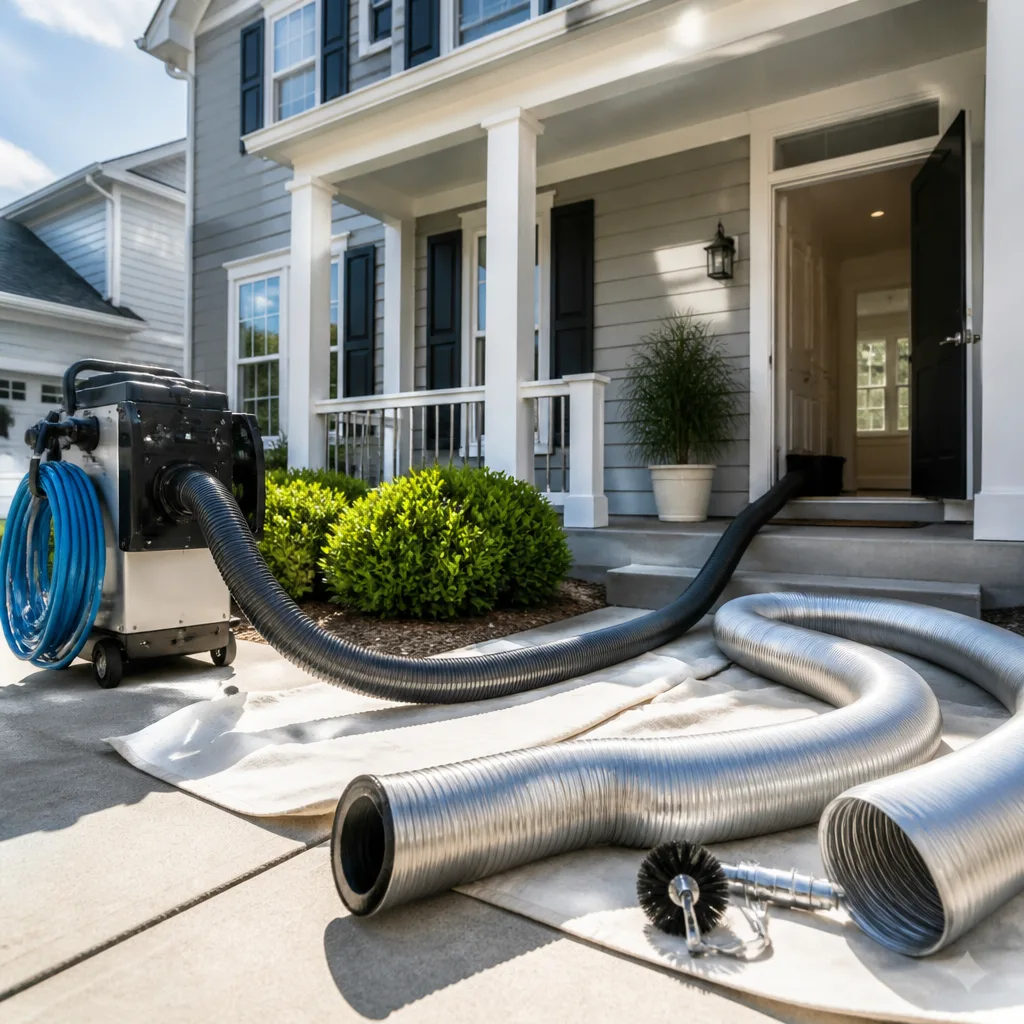 Whole-home duct cleaning
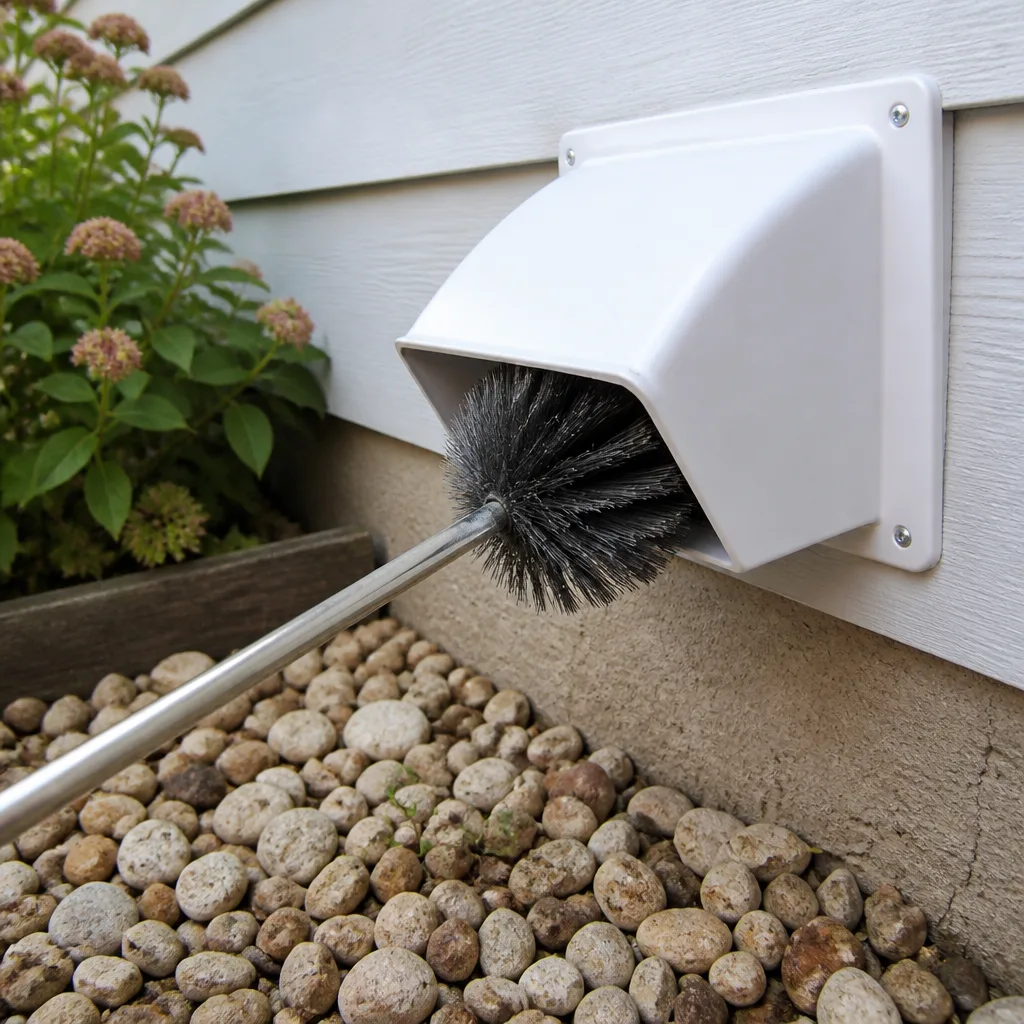 Dryer vent cleaning
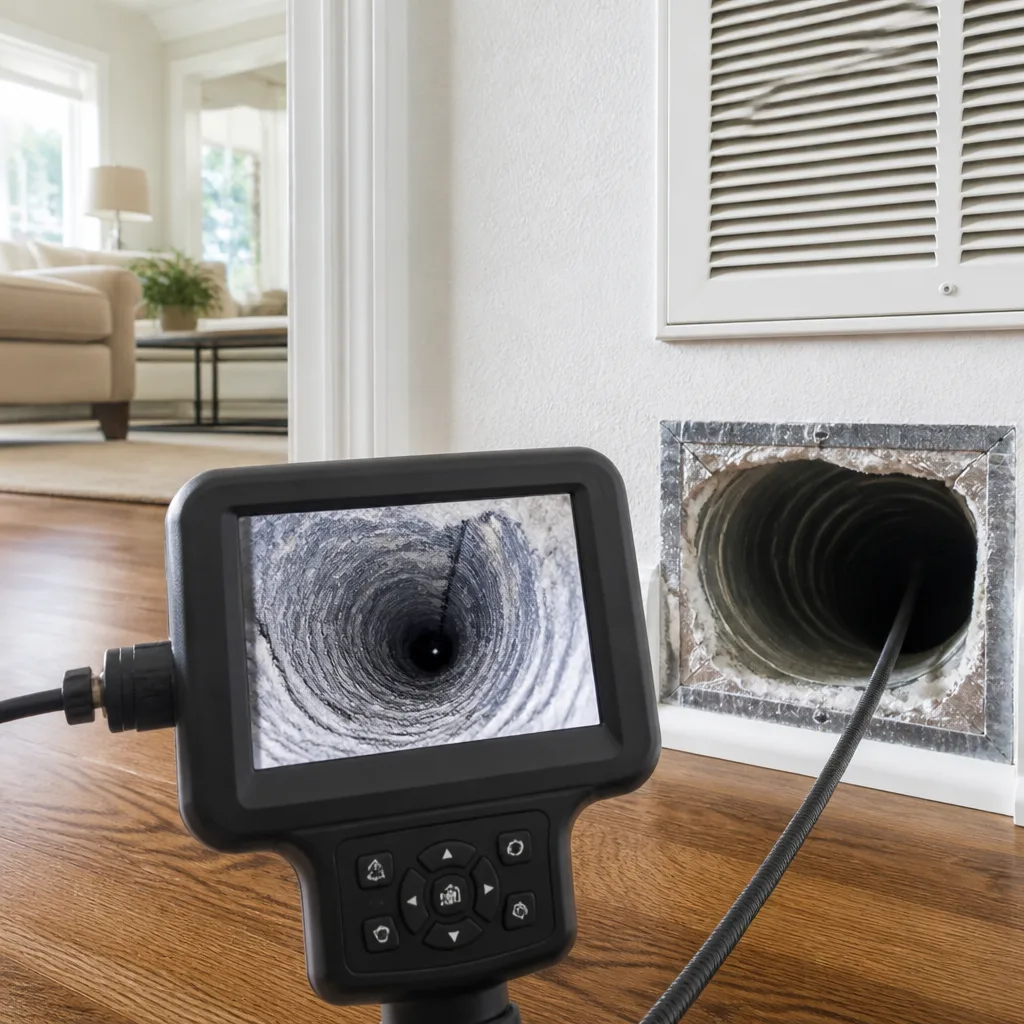 Camera inspection
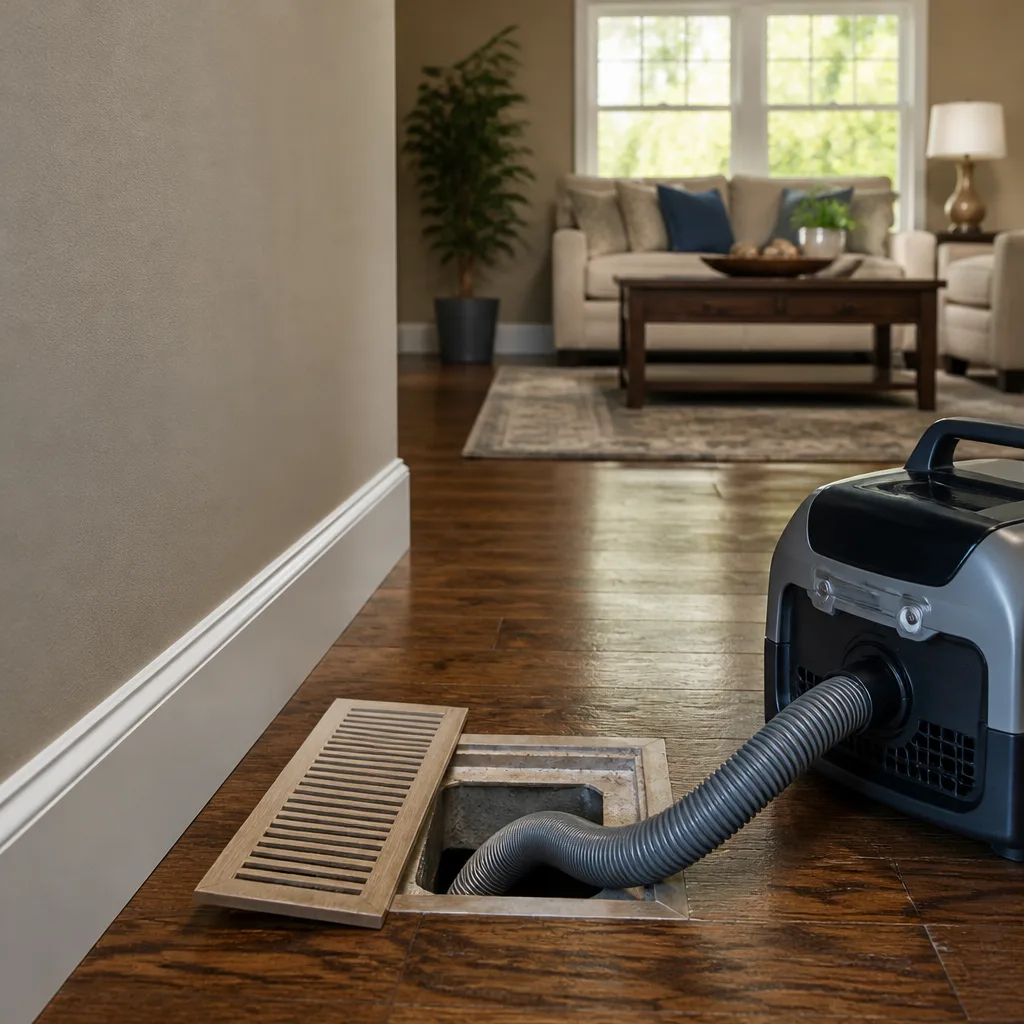 Sanitizing & deodorizing
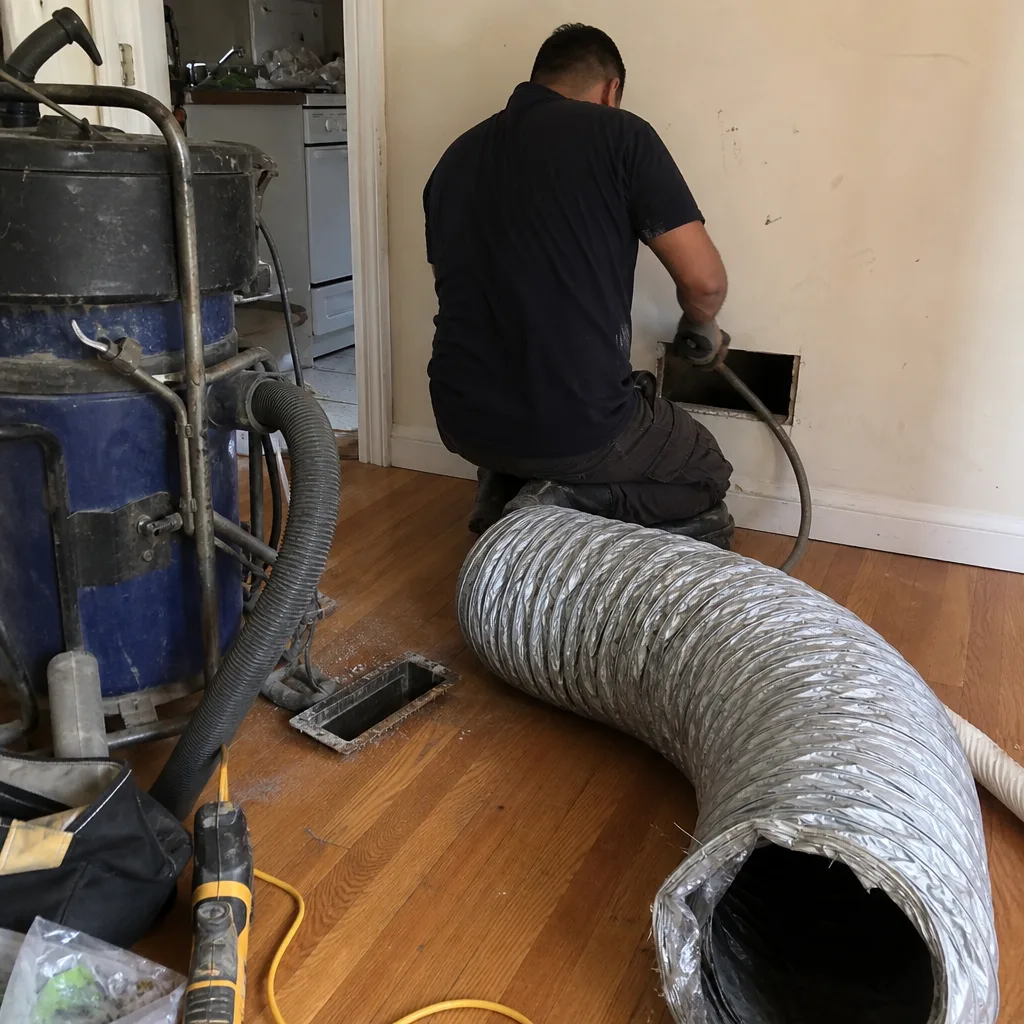
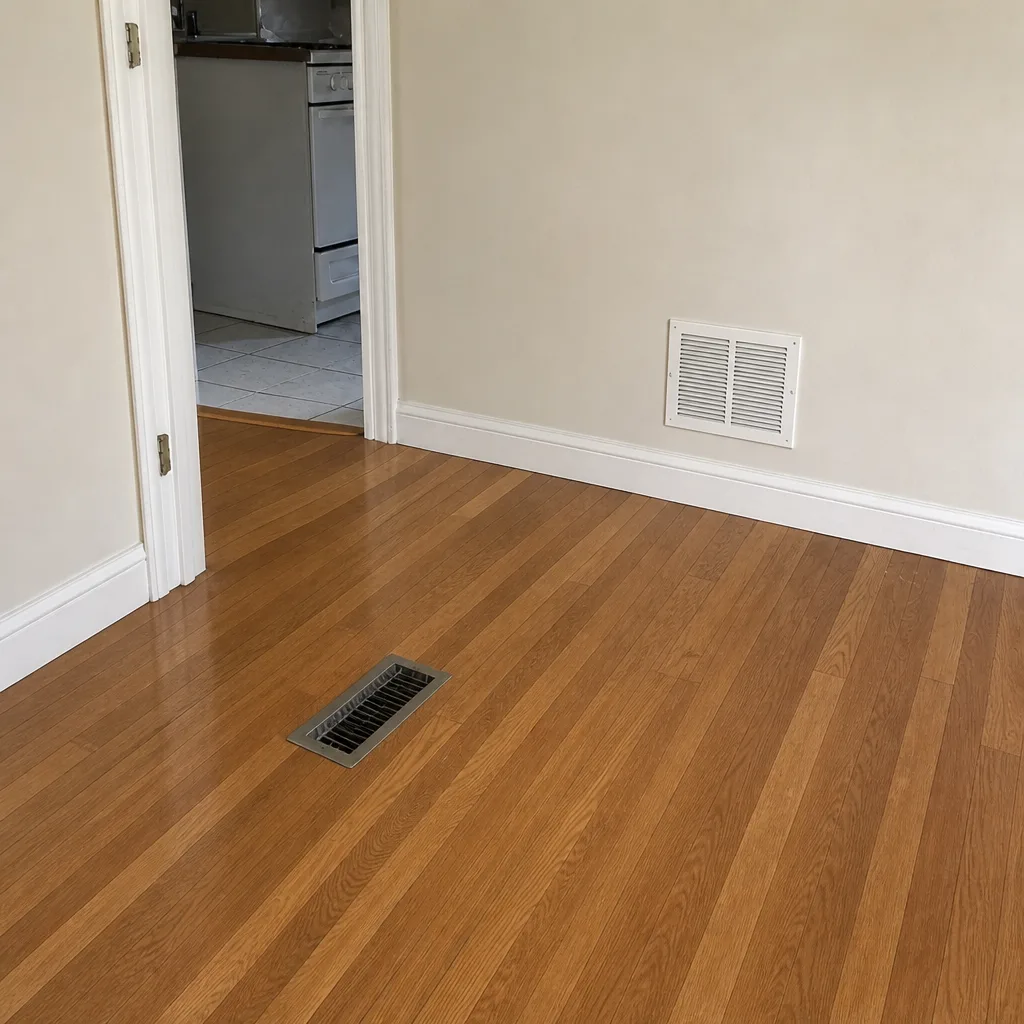
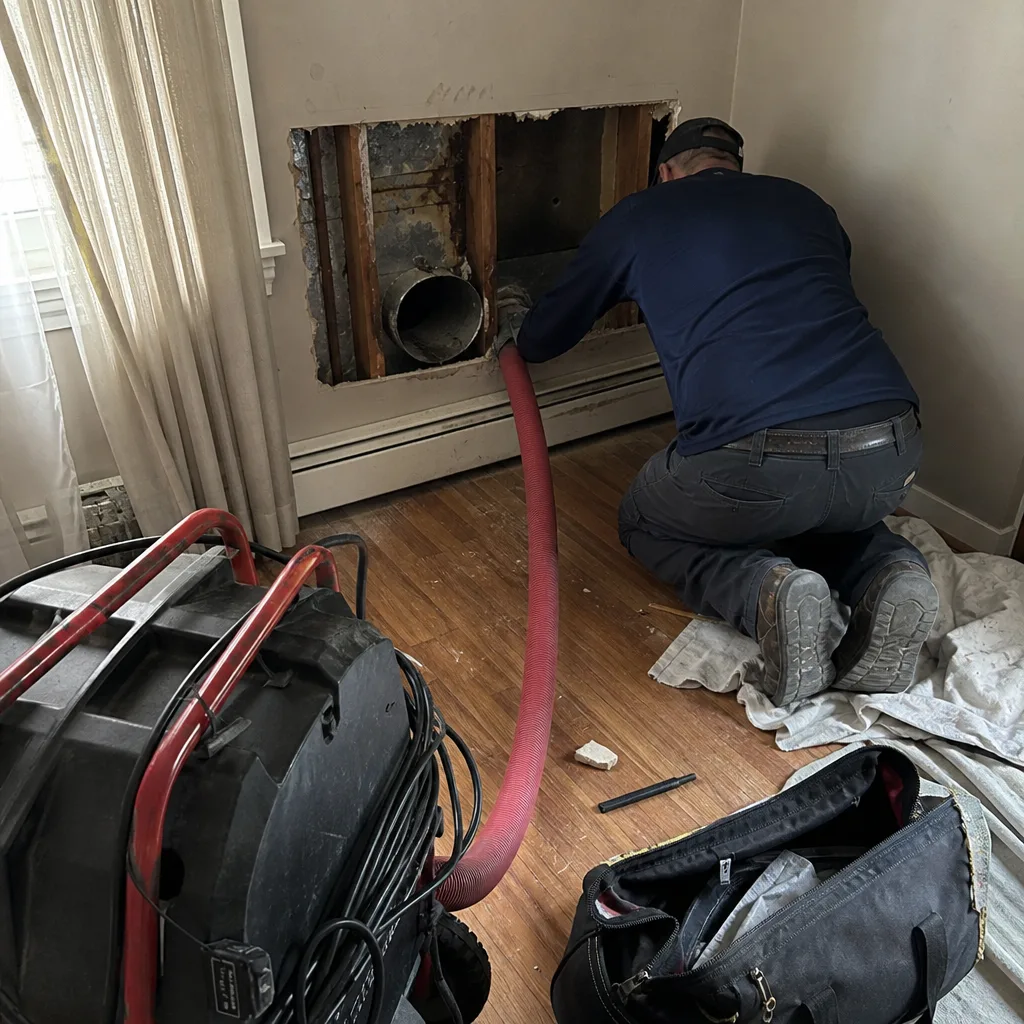
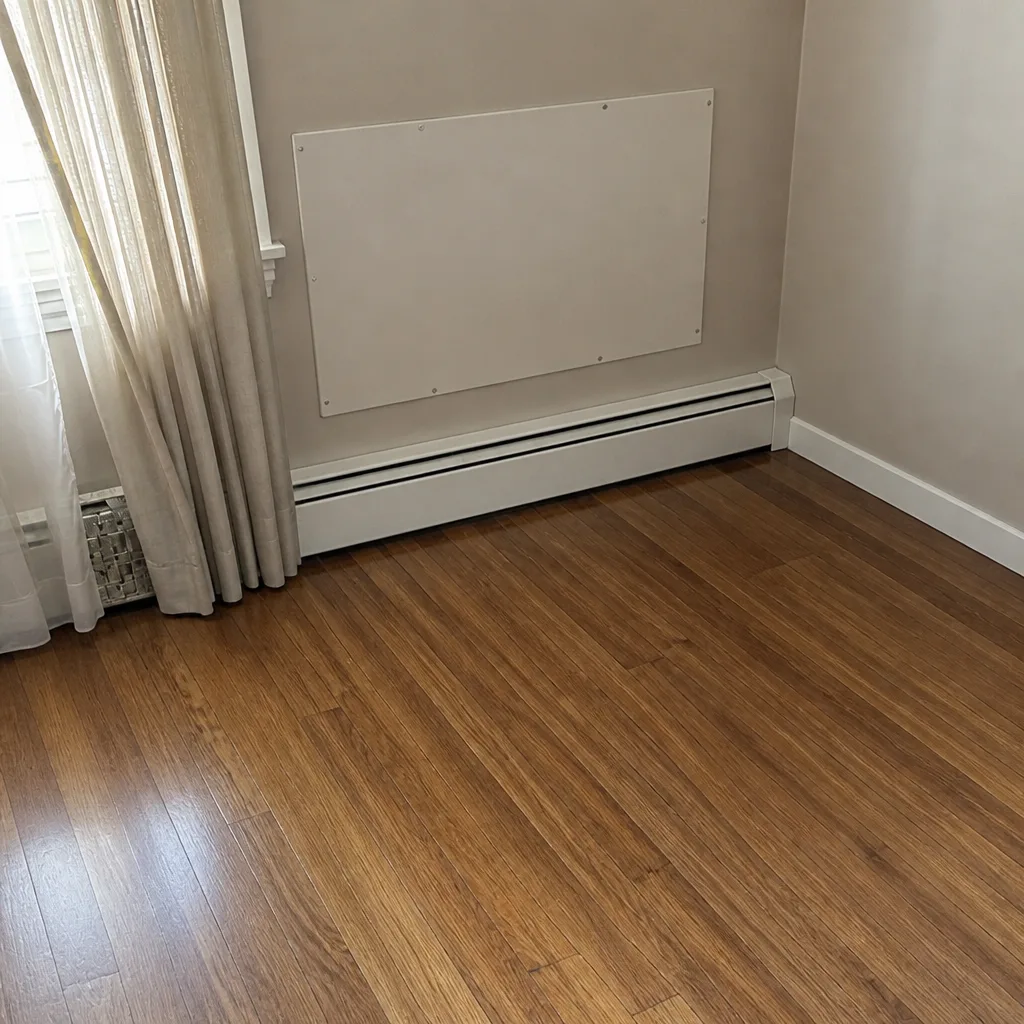
Whole-system duct and dryer vent check with before-and-after photos - you see exactly what came out of your vents
That "$99 whole-house special" is a bait ad - the real number appears once they are in your hallway, or the "clean" is a shop-vac at the register. We photograph the inside of your ducts before and after instead.
DIY vs Professional Air Duct Cleaning: The Riverdale Homeowner’s Decision Guide
Every DIY duct cleaning kit sold online works on the same principle as dusting a bookshelf with a fan running: you’re moving debris, not capturing it. That’s the uncomfortable truth behind most of the videos and box-store gadgets promising a clean system for the price of a shop vac. Manual cleaning without negative pressure doesn’t remove what’s in your ducts – it lifts it into the air you’re breathing. This guide explains the equipment physics behind that gap, draws the narrow line where DIY is legitimately fine, and walks through the Riverdale housing rules that decide the question for most co-op and condo owners before technique even matters.
Quick Answer
Professional air duct cleaning is the right call for any full-system job in Riverdale because removing contamination requires simultaneous high-volume negative pressure and mechanical agitation – equipment you can’t rent or replicate with a shop vac. DIY is reasonable only for surface-level work: register covers, the visible few inches inside reachable openings, and exterior intake screens. In Riverdale’s co-op and condo buildings, most leases prohibit tenant modification of HVAC components anyway, making DIY duct work a lease violation regardless of how careful you are.
Styles & brands we work with
- Whole-home duct cleaning
- Dryer vent cleaning
- Camera inspection
- Sanitizing & deodorizing
Table of Contents
- Why Equipment Physics Decides the DIY Question
- Negative Pressure Explained in Plain Terms
- The Narrow Legitimate Scope for DIY
- Riverdale Housing: Why Leases Change the Answer
- The Hidden Cost of a Failed DIY Attempt
- The Honest Breakeven Math
- What Professional Cleaning Actually Involves
- Common Mistakes to Avoid
- When to Call a Professional
Why Equipment Physics Decides the DIY Question
The DIY versus professional question gets framed as a skill gap, and that framing is wrong. It’s a physics gap. Cleaning a duct system means separating contaminants from a surface and then keeping them contained until they leave the building. Those are two distinct operations, and they have to happen at the same time to work. Any system that does one without the other fails, no matter who’s holding the tool.
Think about what’s actually inside a residential duct run. Dust, yes, but also skin cells, pet dander, fabric fibers, cooking aerosol residue, and in many Riverdale apartments, decades of accumulated building debris. Some of it clings lightly. Some of it has bonded to duct walls in a sticky film that a vacuum alone won’t touch. Mechanical agitation – a rotary brush, a compressed-air whip – breaks that bond. But agitation also launches particles into the air stream. Without a collection system pulling hard enough to capture them at the source, every brush stroke puts more into your living space than it removes from the duct.
This is why the pros use a two-stage method: negative-air extraction plus rotary brush agitation, running together. Our technicians use Riverdale Air Duct Cleaning equipment built for exactly this pairing, including Rotobrush rotary brush systems and Nikro negative-air machines – tools specified in professional HVAC and restoration standards rather than consumer catalogs. The same logic shows up in other service trades. Nobody wipes down a moldy wall with a dry rag and calls it remediation. You contain first, agitate second, extract continuously, and verify at the end. Duct cleaning follows the same rule.
Homeowners who skip the containment step aren’t cleaning the system. They’re redistributing its contents into the rooms where the family eats and sleeps.
Negative Pressure Explained in Plain Terms
Negative pressure means the air pressure inside the duct system is lower than the air pressure in the room. Air wants to flow from high pressure to low pressure, so if the ducts are under negative pressure, particles near a register opening get pulled inward instead of drifting into the room. That’s the entire trick. The equipment used for residential duct cleaning generates that pressure at a volume measured in hundreds of cubic feet per minute – far beyond what any consumer vacuum can produce.
Here’s where the DIY approach breaks down, and it’s a specific failure worth understanding:
- One register sealed, another register being brushed. A shop vac attached to one register pulls a modest amount of air – call it household vacuum volume. The homeowner brushes a second register across the room. The pressure imbalance between the two points is small, so the brush loosens debris into an air stream that isn’t being captured.
- Debris seeks the path of least resistance. Loose particles follow the pressure differential. Since the vacuum at one register can’t overcome the airflow pushing debris out of another, particulate ends up in living space rather than the collection bag.
- The result is a contaminated room and a still-dirty duct. The homeowner sees dust settling on furniture and assumes the ducts were dirtier than expected. In reality, the system was never under sufficient negative pressure to contain the work.
A proper setup reverses this. The collection unit pulls hundreds of CFM from the duct system while the technician works each branch, so every loosened particle gets captured at the source. On our job sites we also run Abatement Technologies air filtration to control airborne particulates during the work, because even a well-contained job can release trace dust when registers come off. That’s a containment-first approach aligned with remediation-level standards, not a consumer-tool operation.
The Narrow Legitimate Scope for DIY
There is a real, useful DIY scope, and it’s much smaller than the marketing suggests. Here’s what a homeowner can genuinely handle without risk of making things worse:
- Register covers and grilles: remove, wash with warm soapy water, dry fully, reinstall. This alone improves airflow and appearance noticeably.
- Visible duct openings within arm’s reach: the first few inches inside a register boot can be wiped with a damp cloth. Don’t push anything past the point where you can see what you’re touching.
- Exterior intake screens and return grilles: vacuum the screen surface, clear leaves and lint from exterior vents where they’re safely reachable from the ground.
- Filter changes: the single highest-value air quality task any homeowner can do, and one too many people skip.
Everything past that line requires equipment and training the DIY route can’t reach. Coil cleaning, plenum cleaning, branch-line brushing, blower wheel cleaning, and duct sealing all fall beyond the reach of a homeowner with a shop vac. So does anything involving the air handler itself, which is where contamination concentrates the most.
One point our technicians repeat at nearly every Riverdale estimate: a clean filter and clean registers do make a measurable difference on their own. If budget is tight, spend a few dollars on filters and a few minutes on grille cleaning every month, and postpone the full system clean until it’s genuinely needed.
Riverdale Housing: Why Leases Change the Answer
Here’s the part of the DIY question that gets left out of most online guides, and it matters more in Riverdale than almost anywhere else in the city. A large share of Riverdale’s housing stock is co-op and condo apartments in established buildings, and those buildings almost universally treat HVAC components as building property rather than unit property. That means the ductwork, the air handler, and the exhaust runs typically fall under a lease or proprietary lease clause that prohibits tenant modification.
What counts as “modification” varies by building, but in practice most co-op and condo boards read it broadly. Removing register covers to reach inside a branch line, drilling into a duct to insert a brush, or attaching equipment to the air handler are all the kinds of changes that trigger a conversation with the building. Some Riverdale buildings require written board approval before any duct work happens at all – even work performed by a licensed contractor.
This is why our first step on a Riverdale job is usually a question about the building’s rules, not about the ducts. We ask whether the co-op or condo has a work order process, whether the super needs to be notified, and whether there’s a specified window for HVAC work. The building’s rules decide the logistics. Our job is to fit inside them cleanly.
Households in the freestanding homes and small multifamily buildings scattered through Riverdale have more latitude, of course. But that just brings the question back to equipment physics, which is where it always belonged.
The Hidden Cost of a Failed DIY Attempt
The real risk of a DIY attempt gone wrong isn’t the money spent on gadgets – it’s the cost of re-cleaning a system after contamination has been pushed deeper and wider. When a homeowner brushes a branch line without proper negative pressure, the loosened debris doesn’t disappear. Some of it lands on furniture and floors where a household vacuum can reach it. Some of it settles back into the duct at a different point. And some of it migrates into shared building systems if the apartment’s ductwork ties into a riser or common exhaust.
We’ve seen the result on revisit jobs. A system that would have taken a straightforward full clean the first time now takes more agitation passes, more air scrubbing, and more time. Our technicians use Abatement Technologies air scrubbers on those jobs precisely because the particulate load in the room is higher than it should be after a failed DIY attempt, and we need to knock that load down before and during the work.
There’s also the softer cost: trust. If a homeowner’s family starts sneezing more after a DIY duct cleaning, that’s not a small thing. It’s a signal that the system was made worse, and the household will spend the next several weeks wondering whether the ducts are safe. Avoiding that scenario is worth more than the $40 spent on a dusting attachment.
Homeowners cleaning up after a failed attempt often end up calling us for a proper air duct cleaning and, if the ducts show gaps or disconnected joints afterward, a duct repair and sealing visit as well. A failed DIY job frequently reveals problems that were already there but invisible until someone looked inside.
The Honest Breakeven Math
The breakeven analysis for DIY duct cleaning is genuinely easy: it never breaks even. Here’s why, laid out plainly.
- Consumer shop vacuums: $80 to $400 to buy. Air volume measured in tens of CFM. No capacity to create meaningful negative pressure in a duct system. Loses effectiveness the moment the filter loads up.
- Consumer “duct cleaning kits” (rotary brush attachments for a drill or shop vac): $30 to $150. The brush exists; the collection system doesn’t. This is the failure mode described above – agitation without capture.
- Rental of a high-CFM portable extraction unit: at most rental yards, these aren’t stocked at all. Where they are, the daily rate plus the correct hose kit and collection filter costs more than a professional full-system clean.
- Truck-mounted negative-air equipment: not rentable to homeowners. This is the equipment class that generates the hundreds-of-CFM pressure difference a proper clean requires.
The economics are simple. The only tools that produce a real clean are tools no homeowner can reasonably acquire, and the tools a homeowner can acquire don’t produce a real clean. That’s not a sales argument – it’s the same reason people don’t rent an excavator to dig a garden bed. There’s a threshold of work below which hand tools suffice, and a threshold above which the equipment decides the outcome.
Full-system cleaning sits above that threshold, every time. A written estimate from a professional is not only cheaper than a proper rental setup. It’s the only option that produces a verifiable result.
What Professional Cleaning Actually Involves
A proper full-system clean is a sequence, not a single action. Here’s what a real job covers, from the air handler to every register:
- System inspection and airflow mapping. Identify every register, return, branch, and the air handler location. Note access points and any obvious damage or disconnections.
- Containment setup. Negative-air units are placed and duct openings sealed around the collection hoses. On jobs where dust loads are high, an air scrubber runs alongside to control airborne particulate in the room.
- Agitation and extraction, branch by branch. Rotobrush rotary tools run through each branch line while the collection system pulls continuously. The two operations run together – that’s the whole point.
- Air handler and coil cleaning. The blower wheel, cabinet interior, and coil surfaces get cleaned. This is where HVAC cleaning and duct cleaning overlap, and where most consumer tools stop.
- Repair and seal check. Any gaps, disconnected joints, or crushed flex runs get identified. A sealed system stays clean longer than a clean-but-leaky one.
- Sanitizing where needed. Guardsman-level sanitizing treatments address microbial and odor issues beyond mechanical debris removal. Not every job needs this; some do.
- Verification. Before-and-after photos of the homeowner’s own ducts, not stock images, so the household can see what changed.
That final step matters more than most homeowners realize. Anyone can claim they cleaned a system. Photos of your ducts, taken during your job, are the only real verification available.
Common Mistakes to Avoid
- Attaching a shop vac to one register while working another. This creates a pressure imbalance that pushes debris into the room rather than out of it. If you’re brushing at all, you need collection at the same point, and consumer tools can’t provide that.
- Buying a “duct cleaning kit” and assuming it works like the pro version. The drill-attached brush attachments lack the negative-air collection unit that defines professional equipment. Agitation without containment is a fail state.
- Skipping the building’s rules in a Riverdale co-op or condo. Many buildings require board notification or a work order before any HVAC modification. Doing the work without that step can turn a small job into a lease issue.
- Treating dryer vents like ducts. A clogged dryer vent is a genuine fire risk and deserves its own dryer vent cleaning as a standalone job. A shop vac pulled through a dryer vent line often dislodges lint without capturing it – and lint near an operating dryer is the last thing you want floating loose.
- Sanitizing before cleaning. Applying a sanitizing product onto a dirty duct surface seals contamination under the treatment. Clean first, then sanitize – never the other way around.
- Using a wet cloth deep inside a duct. Moisture in a duct system creates the conditions mold needs. Keep cloths only on reachable openings, and make sure everything dries fully before reinstalling covers.
- Assuming “no visible dust” means the ducts are clean. Dust accumulates first on surfaces you can’t see – inside branch runs and on the air handler. Visible grille dust is the last symptom, not the first.
When to Call a Professional
Call a professional when the answer to any of these is yes: someone in the household has started reacting to indoor air after years of no reaction; you’re seeing visible dust streaks around registers even after cleaning the covers; the ducts haven’t been serviced in many years and the building is older; you’re moving into a recently renovated unit and want a clean baseline; a musty or stale smell clings to the air after a deep clean of the rest of the apartment; or you’re a landlord or property manager responsible for a unit’s air quality. The equipment needed for any of those jobs is beyond what a homeowner can acquire.
Riverdale Air Duct Cleaning offers free estimates in Riverdale – call (877) 792-7057. Our technicians have up to 13 years of experience, and the written estimate sets the price before we start. We answer 24/7. Fast dispatch from 7am to 7pm, Sunday through Friday.
See the difference
 Before
 After
 Before
 After
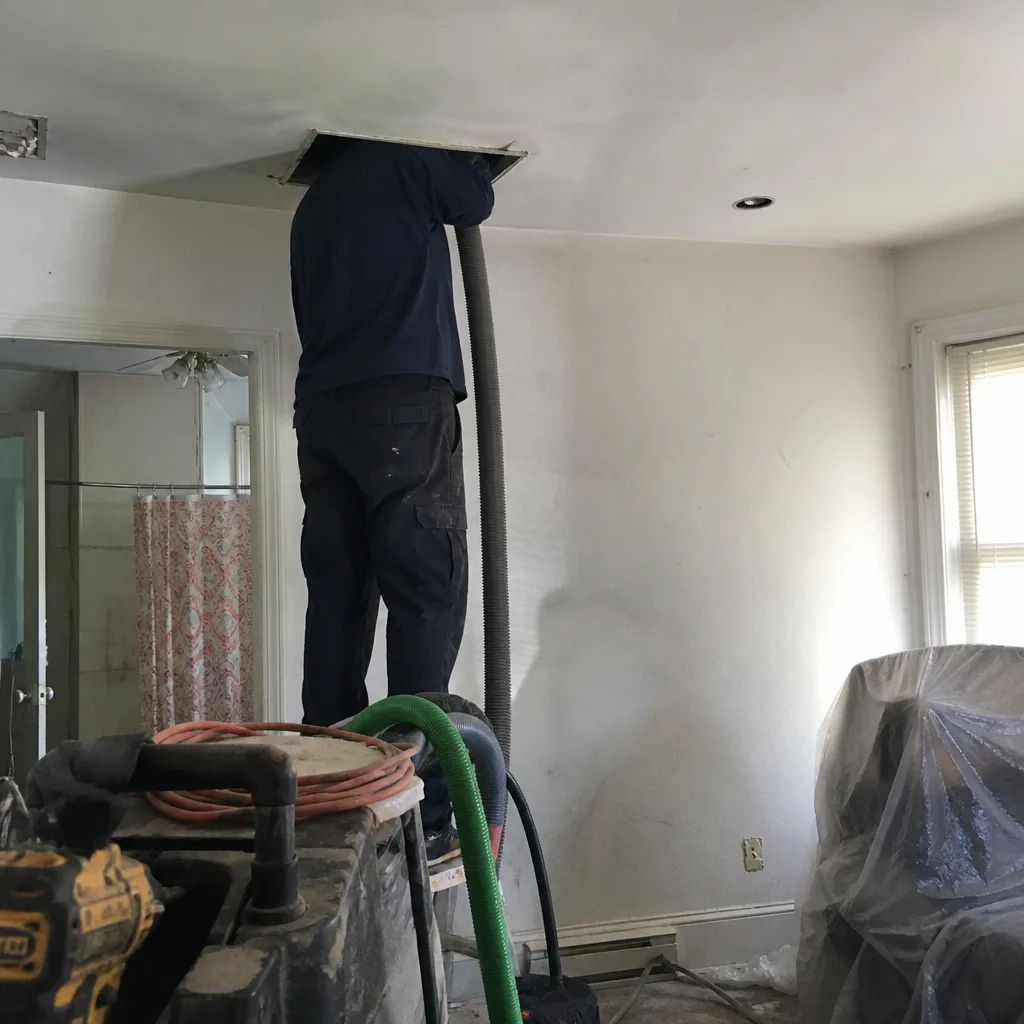 Before
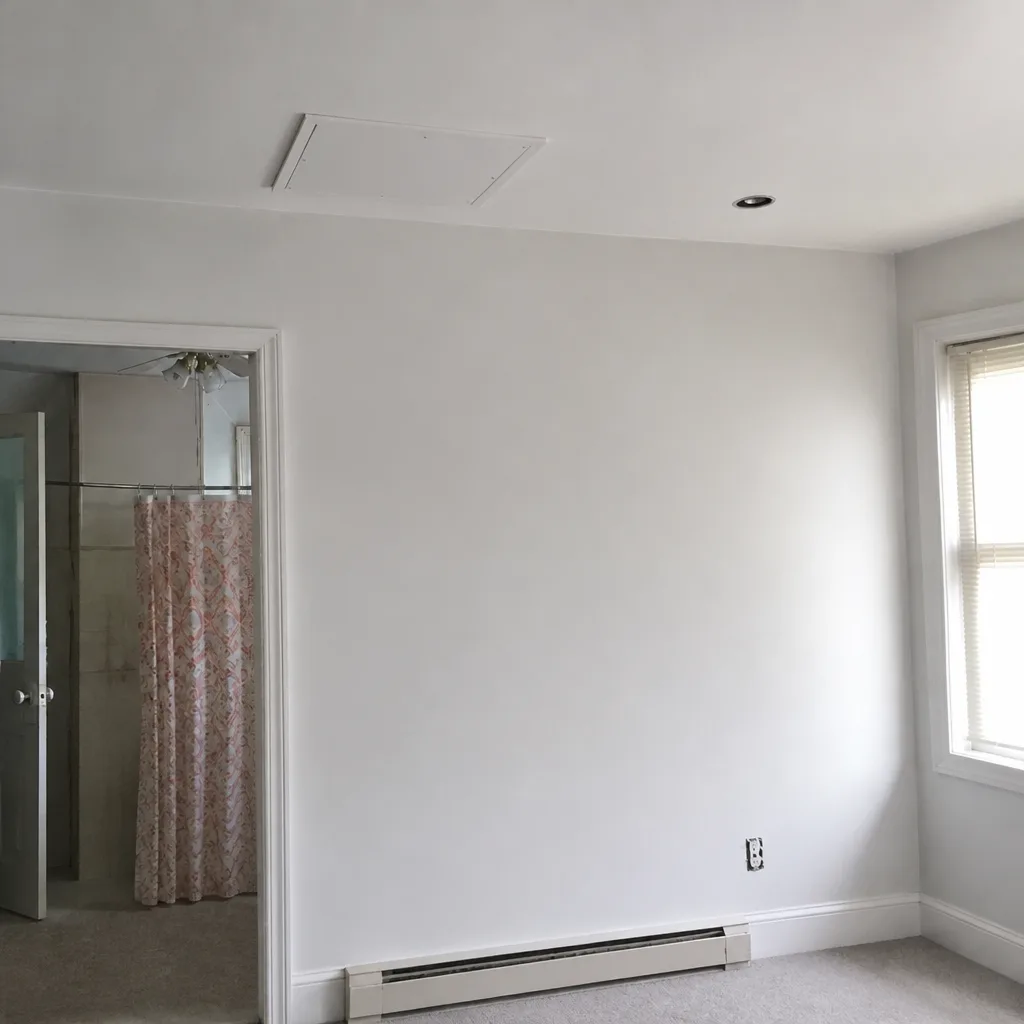 After
Frequently Asked Questions
Only to a narrow limit. Homeowners can clean register covers, wipe the first few inches inside reachable openings, and clear exterior intake screens. Beyond that, cleaning requires equipment producing hundreds of CFM of negative pressure combined with mechanical agitation running simultaneously, and no consumer tool can replicate that. For a full-system clean, DIY isn’t a smaller version of the professional job – it’s a different thing entirely.
Pricing varies by system size, accessibility, and condition, and a written estimate after inspection sets the final number. We give a flat price per system agreed before work starts, with no per-vent pricing. Call (877) 792-7057 for an exact quote – estimates are free.
Cheap quotes usually reflect a surface vacuum rather than a full-system clean. If the quote doesn’t specify equipment – rotary brushes, negative-air extraction, air scrubbing – assume the work is closer to a strong consumer vacuum than a professional job. And in Riverdale’s co-op and condo buildings, any contractor entering to do the work should be prepared to follow the building’s rules. Call (877) 792-7057 for a real quote from a full-system provider.
Before-and-after photos of your own ducts, not stock images. Ask any provider directly whether they’ll photograph the system before and after. A provider that can’t answer that question is a provider to skip. Call (877) 792-7057 – we photograph every system we touch.
Most households don’t need an annual clean. A full-system clean every few years is reasonable for typical homes with pets, and less often for low-pet, low-dust households. What changes the timeline faster is a renovation, a water event, a pest issue, or a move-in. The rest of the time, regular filter changes do the heavy lifting. Call (877) 792-7057 when you’re unsure – a quick conversation usually clears it up.
Often yes, regardless of technique. Most Riverdale co-op and condo buildings treat HVAC components as building property, and leases typically prohibit tenant modification of the ductwork and air handler. Even a careful homeowner opening a register boot to reach inside can be in violation. Check the building’s rules or ask the super before doing anything beyond cleaning the register covers themselves.
The Bottom Line
The DIY question about duct cleaning resolves on equipment, not skill. Consumer tools move debris; professional tools capture it. That single difference decides every full-system job. Homeowners can responsibly handle register covers, reachable openings, filters, and exterior screens. Anything past that line requires negative-air extraction paired with rotary brush agitation, and a system that doesn’t run both at once makes indoor air worse rather than better. In Riverdale’s co-op and condo buildings, the lease rule settles the question before technique does. Call (877) 792-7057 for a free estimate. We answer 24/7. Fast dispatch from 7am to 7pm, Sunday through Friday.
Written by the team at Riverdale Air Duct Cleaning.