
Last updated November 22, 2026
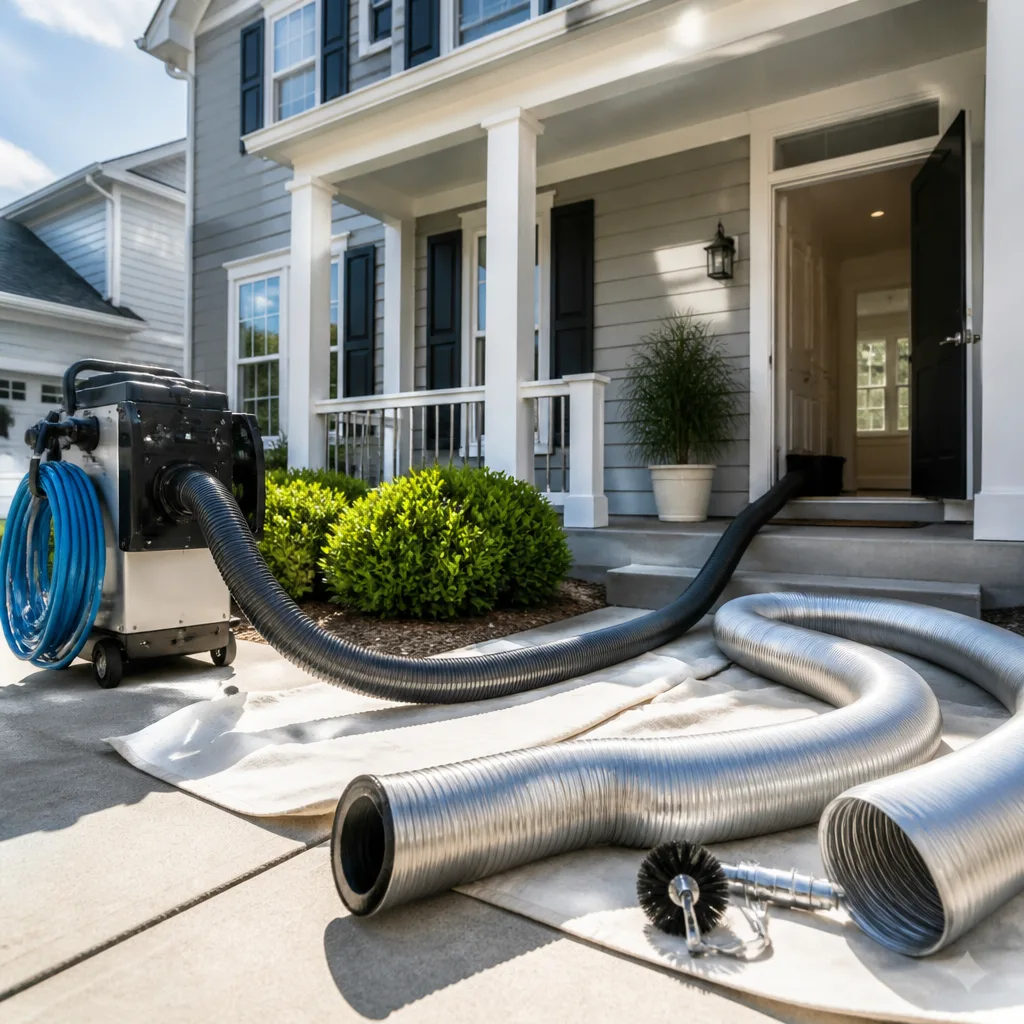 Whole-home duct cleaning
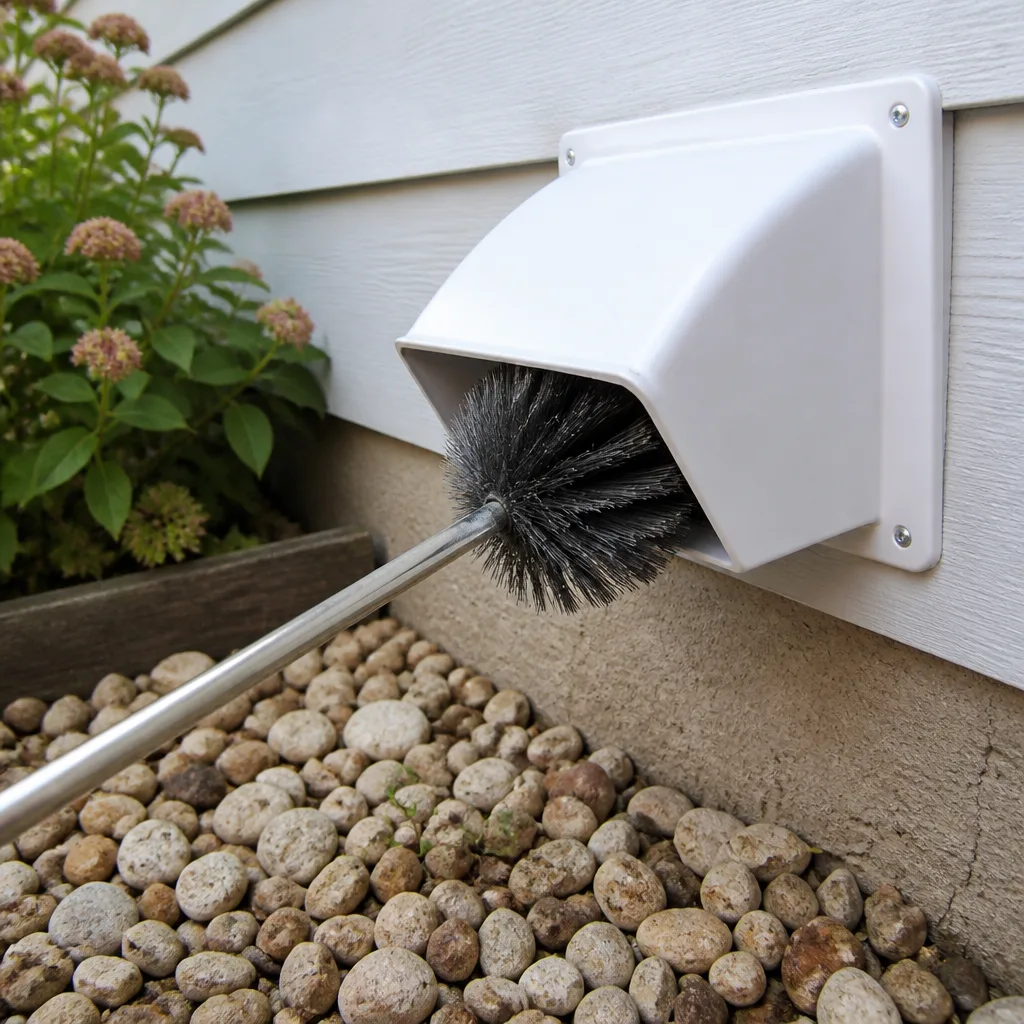 Dryer vent cleaning
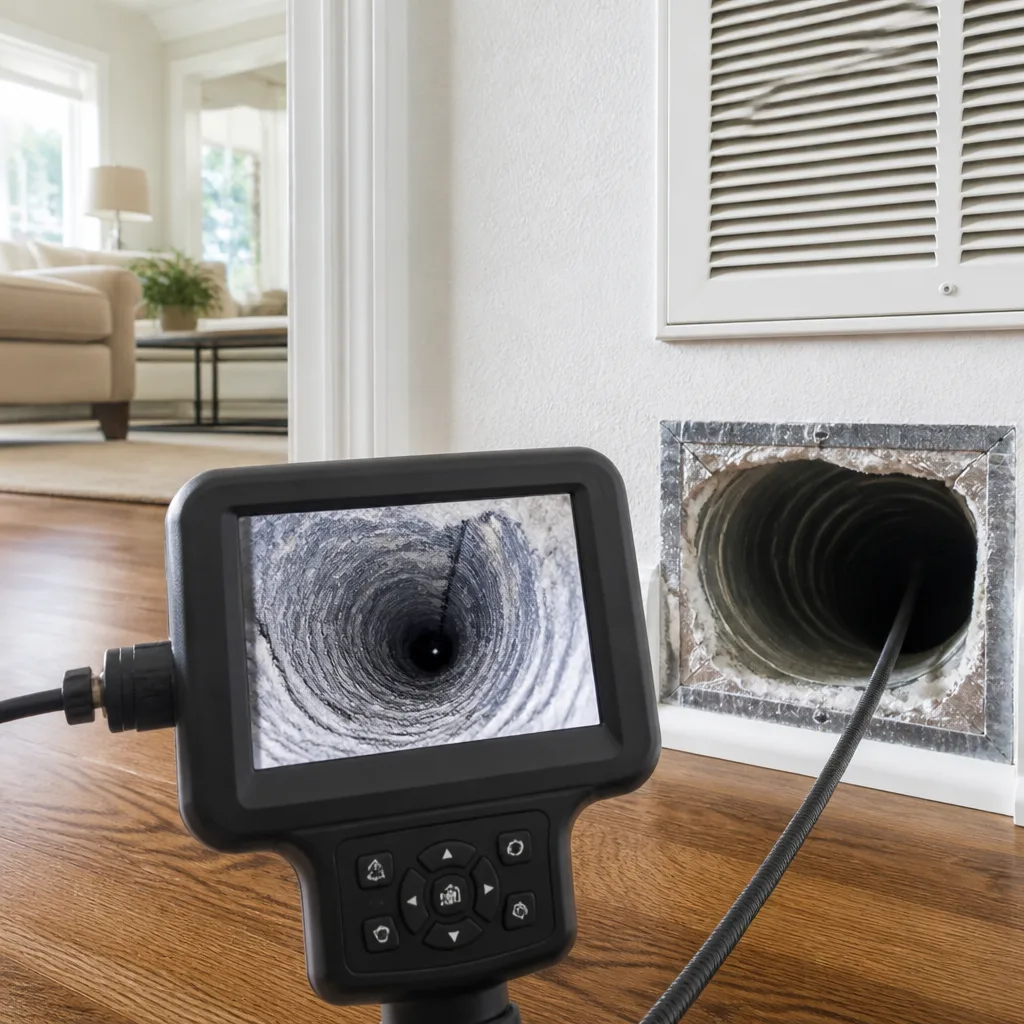 Camera inspection
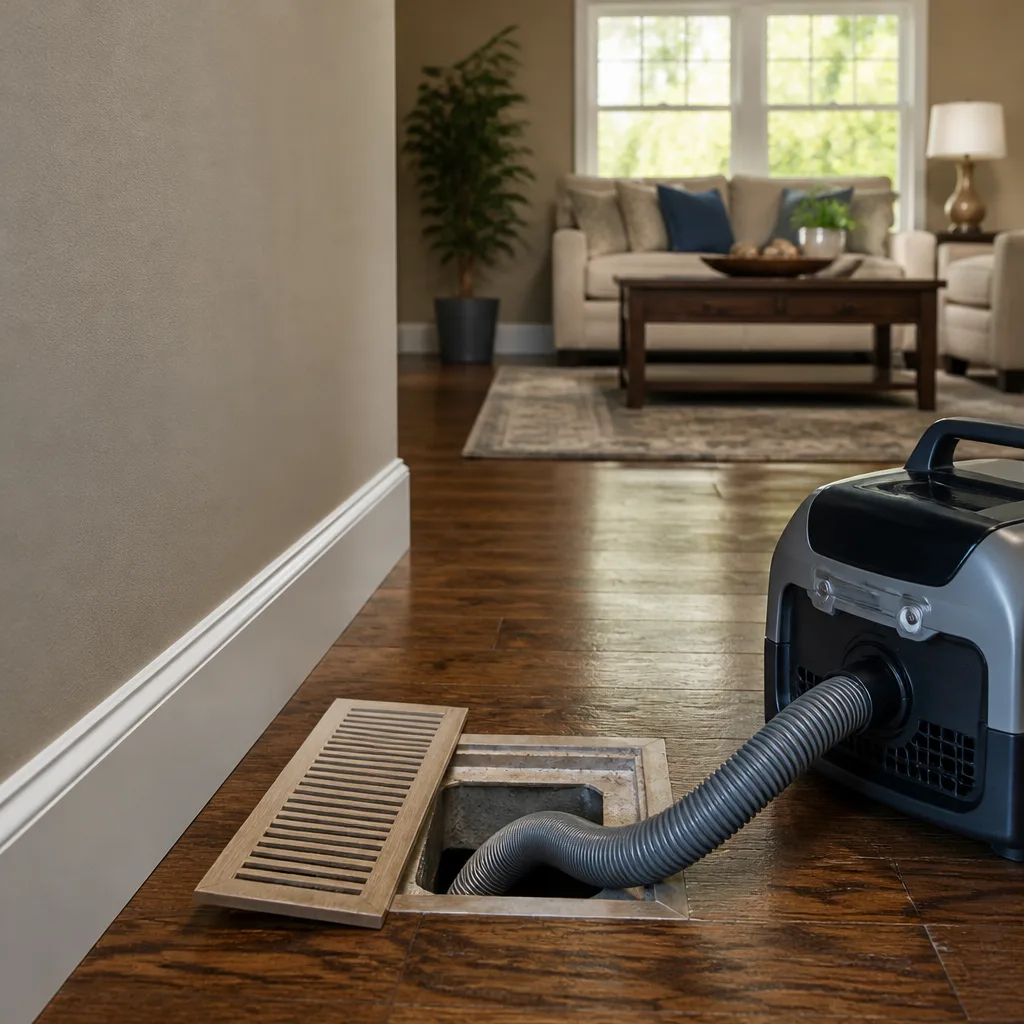 Sanitizing & deodorizing
Whole-system duct and dryer vent check with before-and-after photos - you see exactly what came out of your vents
That "$99 whole-house special" is a bait ad - the real number appears once they are in your hallway, or the "clean" is a shop-vac at the register. We photograph the inside of your ducts before and after instead.
The Complete Guide to Air Duct Cleaning in Riverdale
Most air duct cleaning in Riverdale doesn’t clean much of anything. A technician shows up with a shop vacuum, runs a hose over the registers for twenty minutes, and leaves. The blower wheel never gets touched. The evaporator coil stays coated. The ducts themselves, back at the run-offs and the plenum, are exactly as dirty as before. The homeowner feels good about it for a week, the musty smell comes back, and nobody connects the dots. This guide exists to close that gap. We’ll walk through what the whole system actually is, what the professional standard for cleaning it looks like, and how the specific housing stock in Riverdale changes the picture. By the end you’ll know what to ask, what to check, and what a complete job looks like from the air handler to every register.
Quick Answer
Complete air duct cleaning in Riverdale means cleaning the entire airflow system, not just the visible registers: the supply ducts, the return ducts, the plenum, the air handler, the evaporator coil, and the blower wheel, all addressed together with professional-grade negative-air equipment and rotary brush agitation. A cleaning that skips the HVAC components is an incomplete job and typically produces no measurable change in indoor air quality. Every job should end with before-and-after photos of your actual ducts and a written explanation of what was cleaned and why.
Styles & brands we work with
- Whole-home duct cleaning
- Dryer vent cleaning
- Camera inspection
- Sanitizing & deodorizing
Table of Contents
- What “the full system” actually means
- How Riverdale’s housing stock creates its own contamination profile
- What the NADCA ACR standard requires vs. a blowout special
- The equipment difference: negative-air extraction and why suction pressure matters
- When cleaning alone isn’t enough: sealing, lining, and coil cleaning
- Duct repair and sealing: why clean ducts don’t stay clean in leaky systems
- Dryer vents: the other duct in your home
- What air duct cleaning costs in Riverdale
- Common mistakes to avoid
- When to call a professional
- Frequently asked questions
What “the full system” actually means
Your duct system is not just the tubes you can see if you pull a register off. It’s a closed loop, and the air quality in your home depends on every part of that loop being clean and sealed. Understanding the components is the first step toward spotting an incomplete job.
Here’s what a complete duct system includes:
- Supply ducts. The branches that carry conditioned air from the air handler out to each register in each room. These accumulate dust, debris, and in older homes, construction dust from past renovations.
- Return ducts. The larger trunk lines that pull air back to the air handler. Returns typically carry more debris than supplies because they move more air and are often the path of least resistance for dust pulled off floors.
- The plenum. The transition box where the supply and return trunks connect to the air handler itself. This is one of the dirtiest spots in most systems and one of the most frequently skipped.
- The air handler. The cabinet that houses the blower and, in most systems, the evaporator coil. If the blower and coil are dirty, clean ducts downstream of them get re-contaminated on day one.
- The evaporator coil. The cooling coil. It’s damp during cooling season, which makes it an ideal surface for biological growth. A dirty coil restricts airflow, drives up energy use, and puts microbial matter into the airstream.
- The blower wheel. The fan that pushes air through the system. Its vanes load up with dust over time, and a loaded blower moves less air than it was designed to.
Each of these components needs attention for the cleaning to mean something. Clean ducts feeding a dirty coil are like washing a floor with a dirty mop. In our experience, the properties that see the biggest improvement in air quality and airflow are the ones where all six components were addressed in a single visit rather than split across separate contractors. That’s why Riverdale Air Duct Cleaning treats the whole pathway as the unit of work rather than one service at a time.
How Riverdale’s housing stock creates its own contamination profile
Riverdale is not a suburban subdivision with twenty-year-old flex ducts and wide return trunks. The housing stock here is dense and old, much of it pre-1980 construction, and a significant share of it has been converted into co-ops or broken into smaller units over the decades. That history shows up in the ductwork, and it shapes how a cleaning should be planned.
The specific contamination patterns we look for in Riverdale:
- Legacy construction dust. Buildings put up before 1980 have lived through multiple renovation cycles. Every wall opened, every floor refinished, and every kitchen torn out left dust in the ducts that a surface vacuum can’t lift.
- Modified and combined duct runs. When a large pre-war apartment is split into two co-ops, the ductwork is often rerun, tapped, and spliced with flex connectors that weren’t part of the original design. These transitions are weak points where debris gathers and where leaks open up.
- Shared ventilation in converted buildings. In converted co-ops, units sometimes sit on shared riser systems or share a return path. That means debris in one apartment’s ductwork can migrate. It also means a proper cleaning takes the building’s airflow pattern into account rather than treating one unit as a sealed island.
- Radiator-era homes with retrofitted forced air. Some Riverdale properties started with steam or hot-water radiators and had air conditioning retrofitted later. Those retrofits often have short, tight duct runs and undersized returns, which makes every leak and every dirty coil matter more.
- Damp basement and cellar returns. Many older buildings draw return air through lower-level spaces. Those areas run humid in the summer, and the return ducts serving them are prone to microbial growth.
None of this is a suburban problem. Suburban systems are usually simpler: a straight supply trunk, a generous return, ducts that have never been modified. Riverdale systems are more complicated, and the cleaning plan should reflect that. It’s one of the reasons air duct cleaning in this part of the Bronx demands a technician who has worked on old construction, not just new builds.
What the NADCA ACR standard requires vs. a blowout special
The National Air Duct Cleaners Association publishes a standard called ACR, the Assessment, Cleaning, and Restoration standard for HVAC systems. It’s the reference document that separates a real cleaning from a sales visit. Knowing its basic outline gives you a checklist for any quote you receive.
At a high level, a job that follows ACR includes these steps:
- Assessment before cleaning. The technician inspects the system, documents the conditions, and identifies contamination sources. This involves a camera inspection of the duct interiors, not just a look at the registers.
- Source removal. Contaminants are physically removed from the system, not just knocked loose into the air. This is done with mechanical agitation (rotary brush) combined with negative-air extraction.
- Containment and protection. The work area is protected, and air scrubbers are often run to control airborne particulates during the job. At Riverdale Air Duct Cleaning we run Abatement Technologies air filtration equipment on job sites for exactly this reason.
- Component-level cleaning. The blower, coil, plenum, and air handler are cleaned as part of the job, not offered as an extra.
- Verification. The cleaned system is inspected again, and the findings are documented. Before-and-after photos are standard.
A blowout special, by contrast, is a technician with a compressor and a hose who blows dust off the register faces and vacuums what falls out. No camera inspection. No containment. No coil, blower, or plenum work. No verification. The air in the room looks cleaner for an afternoon; the system doesn’t change. The price gap between the two is real, but it isn’t a discount. It’s a different service.
The equipment difference: negative-air extraction and why suction pressure matters
Equipment is the single biggest variable in duct cleaning, and it’s the one most homeowners never see quoted. Every company says they “use professional equipment.” The question to ask is what type, and how it’s configured.
Duct cleaning needs two things happening at once:
- Agitation. Something has to physically break debris off the duct walls. A rotary brush, driven through the duct at controlled speed, does this. A vacuum alone doesn’t, because dust clings to duct surfaces and needs to be loosened before it can be captured.
- Extraction under negative pressure. A high-volume negative-air machine pulls the loosened debris out of the system and into a HEPA-filtered collection unit. The strength of that pull is the suction pressure, and it’s what keeps debris from drifting back into living space.
That’s why the tooling matters. A portable shop-vac rig can’t generate enough suction pressure across a long duct run to hold negative pressure at the far end. Debris loosened at a far register just settles back down. A truck-mounted or high-capacity portable negative-air machine, properly connected at the plenum or trunk, keeps the whole run under negative pressure while the rotary brush works from the register ends. In our experience, this is the difference between a cleaning that shows a visible change on camera and one that doesn’t.
The specific equipment list we run includes Rotobrush rotary brush systems and Nikro negative-air machines, and those tool choices aren’t cosmetic. Rotobrush systems are specified in professional HVAC work for their controlled agitation, and Nikro machines are built for sustained negative pressure across long duct runs. They’re the same categories of equipment used in commercial and restoration work. That matters in a Riverdale pre-war building with long, spliced duct runs and awkward transitions, where weaker suction simply can’t hold.
When cleaning alone isn’t enough: sealing, lining, and coil cleaning
Cleaning gets you a clean system on the day it’s done. Keeping it clean is a separate question, and in a lot of Riverdale properties the answer involves more than a vacuum. There are specific situations where cleaning by itself won’t deliver a result you can measure.
These are the cases we’d add work to the scope:
- Duct leakage. Seams, joints, and connections that leak pull air from unconditioned space: basements, wall cavities, attics. That air carries dust and moisture into the system, and the system re-dirties within a heating or cooling season. Sealing the leaks closes the supply of new contamination, and in most cases it also improves airflow and energy use at the same time.
- Damaged or disconnected flex runs. In older buildings with retrofit ductwork, flex connectors at splices collapse or come loose. A loose run dumps conditioned air into a wall cavity and pulls dirty air back into the system. Cleaning that run without repairing the connection is wasted work.
- Dirty evaporator coils. If the coil is coated, the cleaning downstream of it can’t hold. Coil cleaning is typically done on-site with controlled chemical and mechanical methods, and it needs to happen before or alongside duct cleaning for the result to last.
- Filtration gaps. Many older systems have thin filter grilles and filter slots that let air bypass the filter entirely. Adding a properly sized filter grille or a higher-performance filter assembly closes that gap. This is where familiarity with Honeywell and Aprilaire product lines helps, because those brands cover the most common residential filter and air-quality configurations.
- Biological growth. If the inspection shows microbial growth on the coil, in the plenum, or in damp return runs, mechanical cleaning alone isn’t the whole answer. A sanitizing treatment is needed. Guardsman-level sanitizing treatments address microbial contamination and odor beyond simple debris removal, which is a step most basic duct cleaners skip entirely.
Clean ducts are only part of the story. Sealed, repaired ducts keep them clean longer. If a quote for duct cleaning doesn’t address at least the potential for leakage and coil condition, it’s an incomplete plan.
Duct repair and sealing: why clean ducts don’t stay clean in leaky systems
Leaky ducts are the most common reason a cleaning doesn’t last. In Riverdale’s older housing stock, duct joints are often taped, stapled, or simply mated without sealant, and decades of seasonal expansion have opened those joints further. Every gap is a path for dust, moisture, and unconditioned air.
Repair and sealing work in a few categories:
- Sealing accessible joints. Mastic or foil tape applied at accessible seams and connections, particularly at the plenum and trunk takeoffs where leakage is worst.
- Rebuilding failed transitions. Splices that have come apart in wall or ceiling cavities, or flex connectors that have collapsed.
- Replacing damaged sections. Crushed flex runs, rusted-through sections in older return ducts, or runs damaged by water or rodents.
This is why we put repair and sealing on the same service menu as cleaning. They aren’t separate visits for separate contractors. A cleaning crew that finds a disconnected return and can rebuild it on the spot saves the homeowner from scheduling a second visit and from re-soiling the system in between. That’s the reason HVAC cleaning and duct repair in Riverdale are typically planned as one scope of work rather than split.
Dryer vents: the other duct in your home
The dryer vent is the one duct system in a Riverdale home that most cleaners ignore because it isn’t part of the HVAC loop. It’s also the one with a documented fire-safety role, which makes ignoring it hard to defend. Lint accumulation in a dryer vent restricts airflow, and a restricted vent causes the dryer to overheat and lint to accumulate further.
What a dryer vent cleaning involves:
- Full-length mechanical brushing. The vent run is cleaned from the dryer connection all the way to the exterior termination, not just the short section near the dryer.
- Outdoor vent cap inspection. Birds, lint, and pest debris commonly block the exterior flap. A blocked cap is a common reason a dryer takes two cycles to dry a load.
- Transition duct check. The flexible connection between the dryer and the wall is checked for crushing, kinks, and lint buildup. This short section is often the tightest restriction in the entire run.
- Airflow verification. After cleaning, the technician confirms airflow at the exterior termination.
For a Riverdale co-op or condo, dryer vent cleaning is often overlooked for years because the vent run is shared or runs through a wall to an exterior shaft. Those runs collect lint faster than a standard residential setup, and they’re harder to inspect. It’s worth a dedicated look even if the duct cleaning itself is scheduled separately. Our dryer vent cleaning is offered as a standalone service for exactly this reason.
What air duct cleaning costs in Riverdale
Air duct cleaning is priced by job, not by vent. A whole-system clean in a Riverdale apartment or small home typically runs in a range set by three things: the number of registers and returns, the condition found on inspection, and whether HVAC components like the coil and blower are included in the scope. The written estimate is what sets the final price, and we provide that up front before any work begins.
Here’s how the ranges break down by scope:
| Scope | Typical range |
|---|---|
| Standard whole-system duct cleaning (supply + return + plenum, 1-unit apartment or small home) | Typical residential range for the area; confirmed by written estimate |
| Full-system cleaning with HVAC component service (adds blower, coil, air handler) | Higher tier; reflects the added labor and component detail |
| Duct repair or sealing added to a cleaning | Priced per repair; assessed on-site |
| Sanitizing treatment (Guardsman-level) | Add-on; priced with the main job |
| Standalone dryer vent cleaning | Lower-cost service; quoted separately |
We don’t quote per-vent coupons or teaser prices. Quoted ranges depend on the property and the inspection findings, and the estimate is free. Call (877) 792-7057 for an exact quote on your Riverdale property.
See the difference
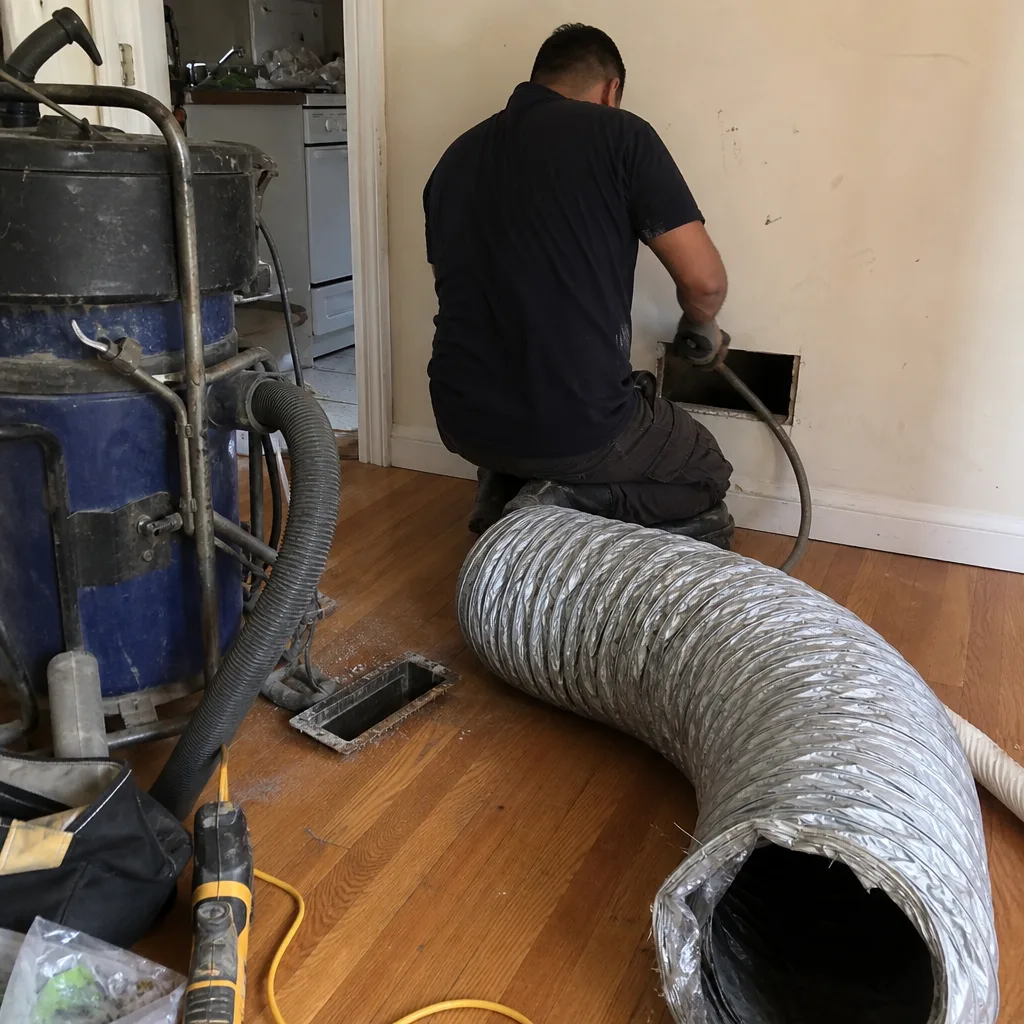 Before
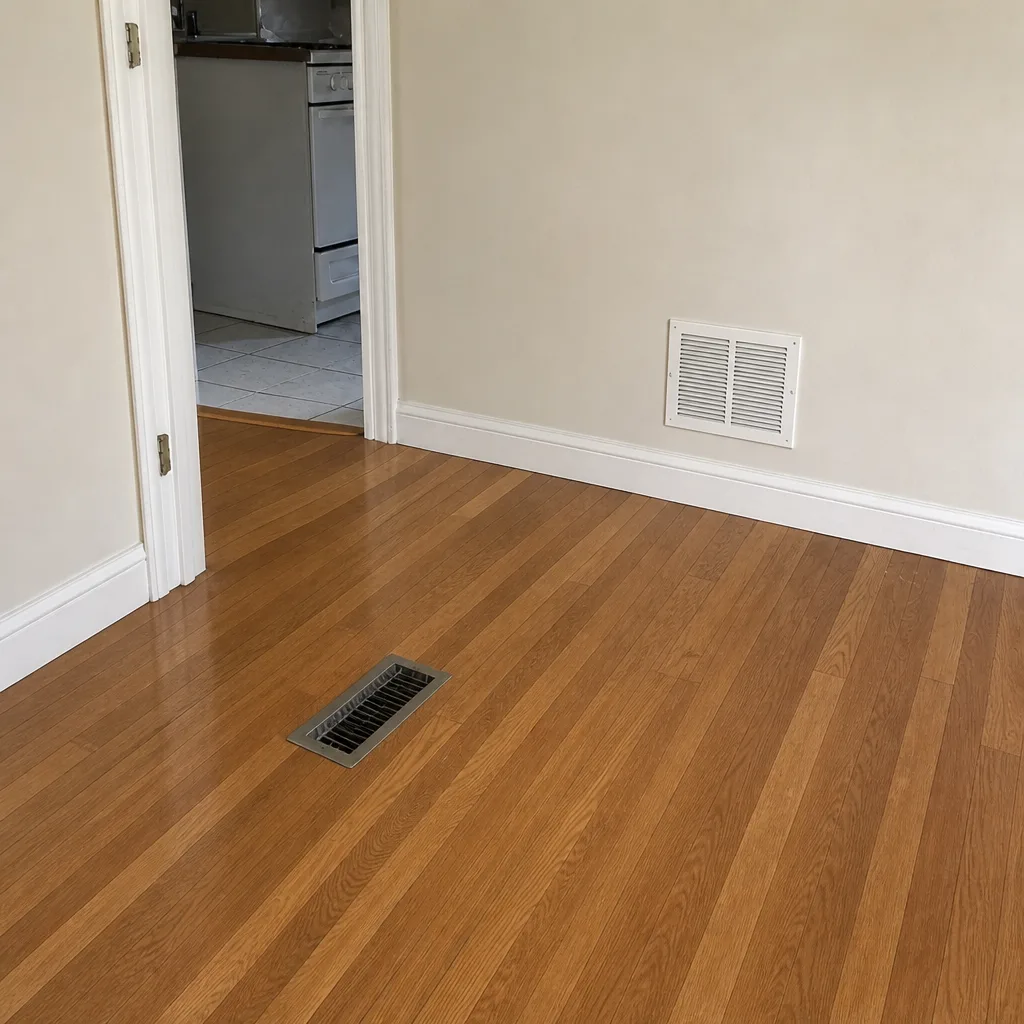 After
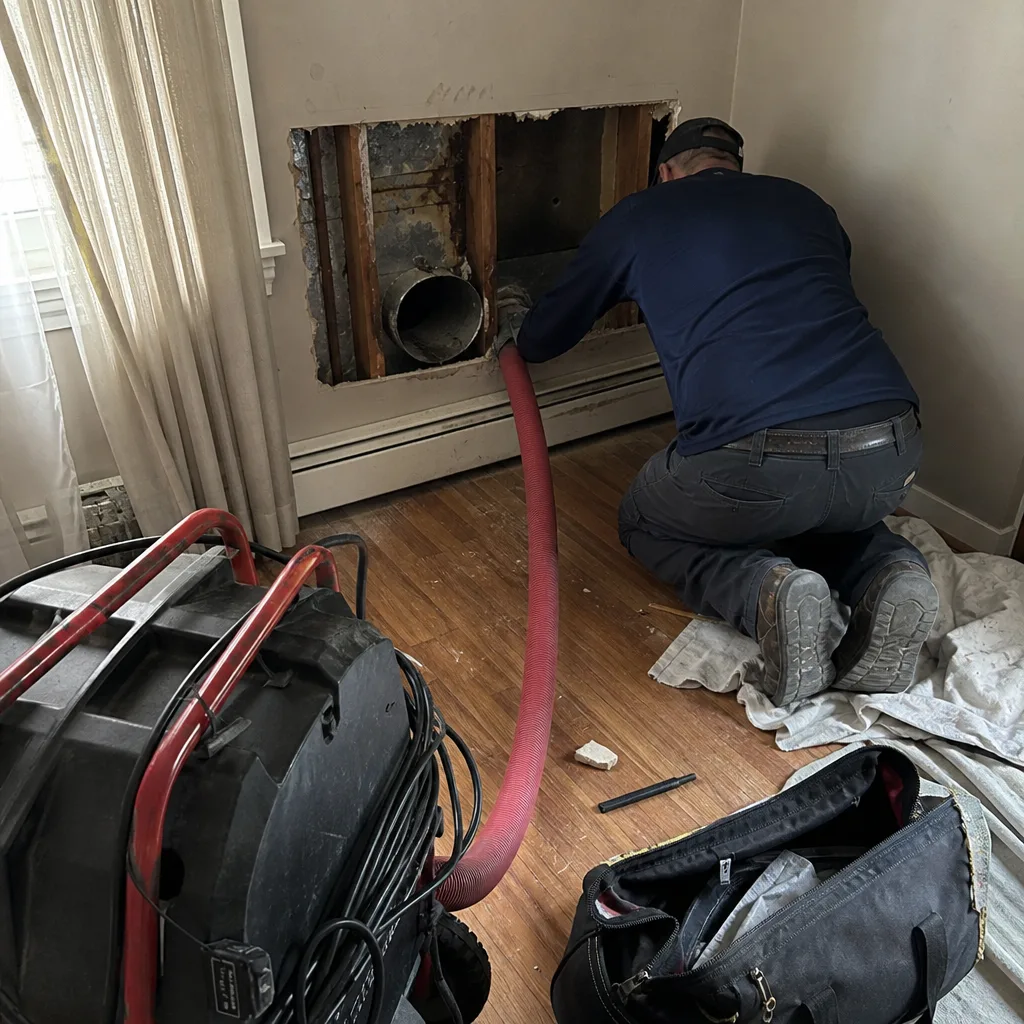 Before
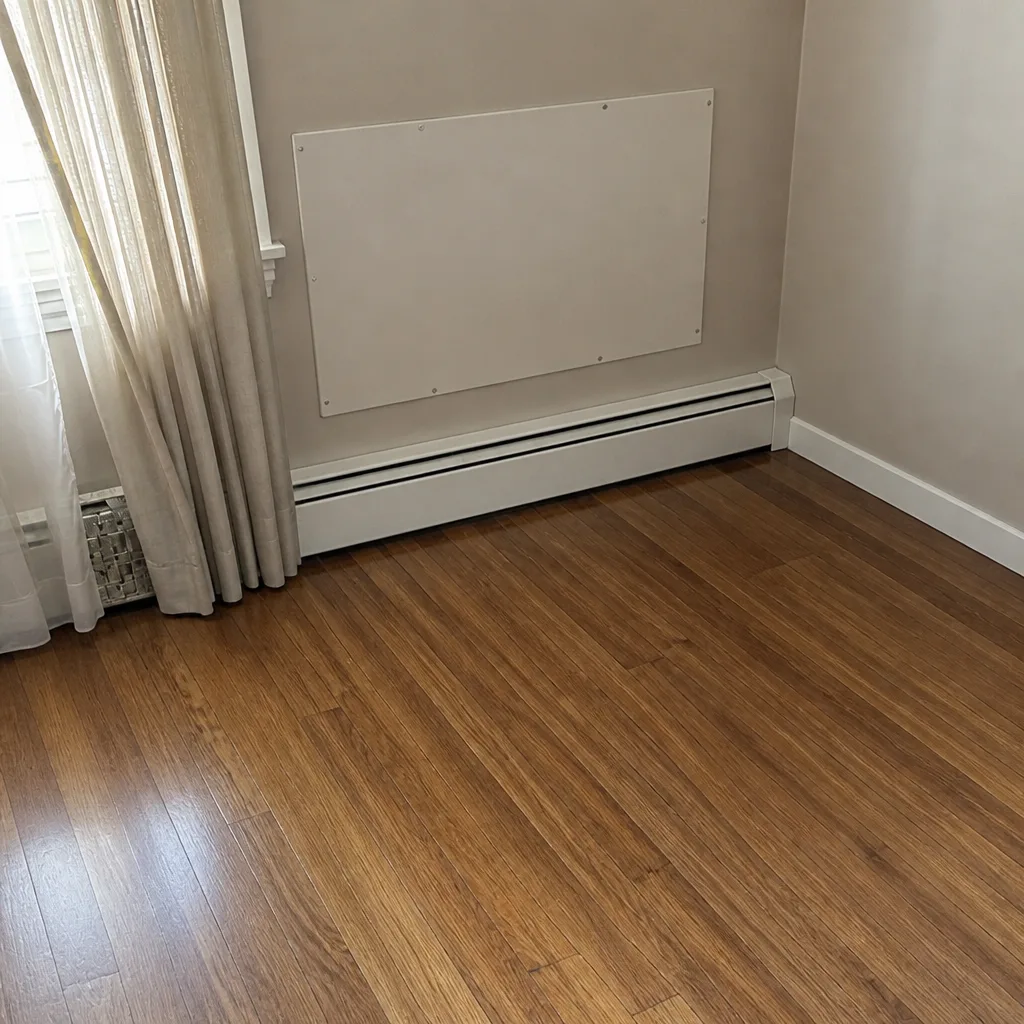 After
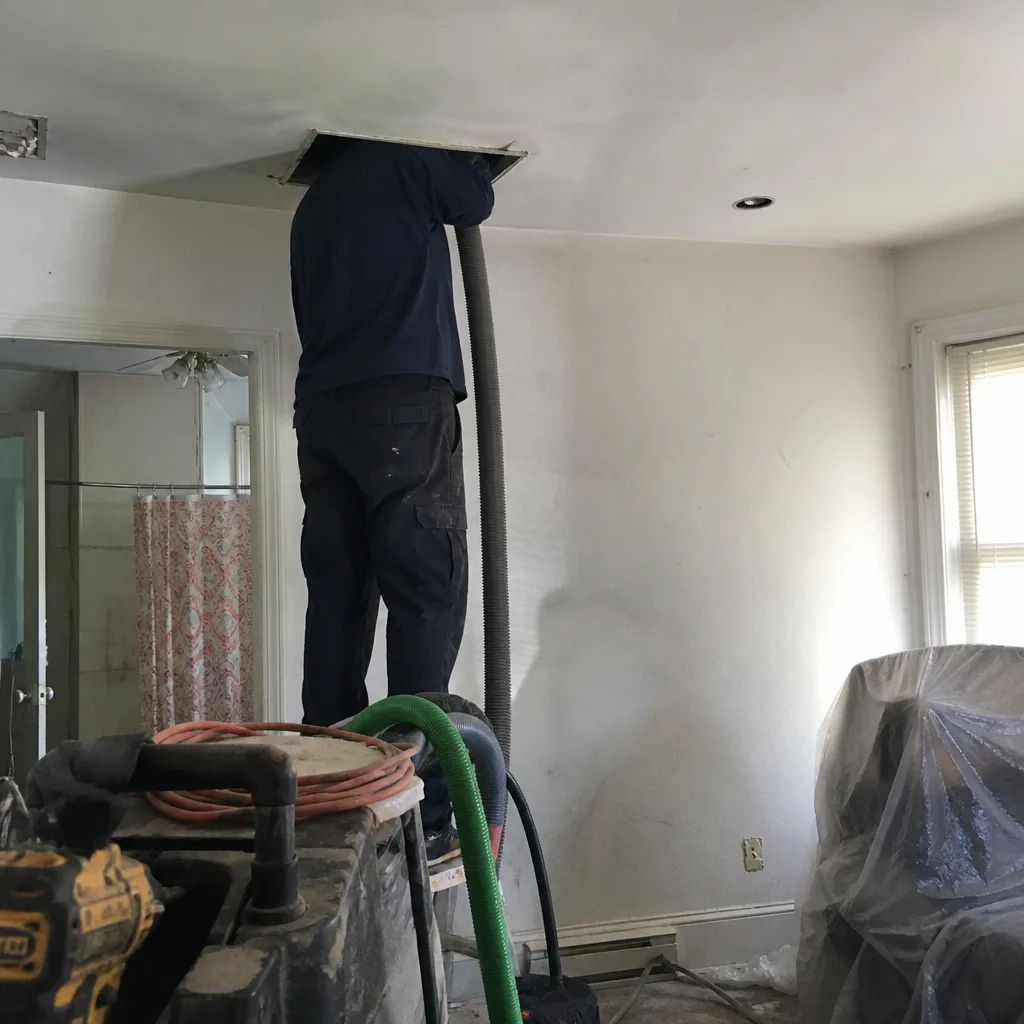 Before
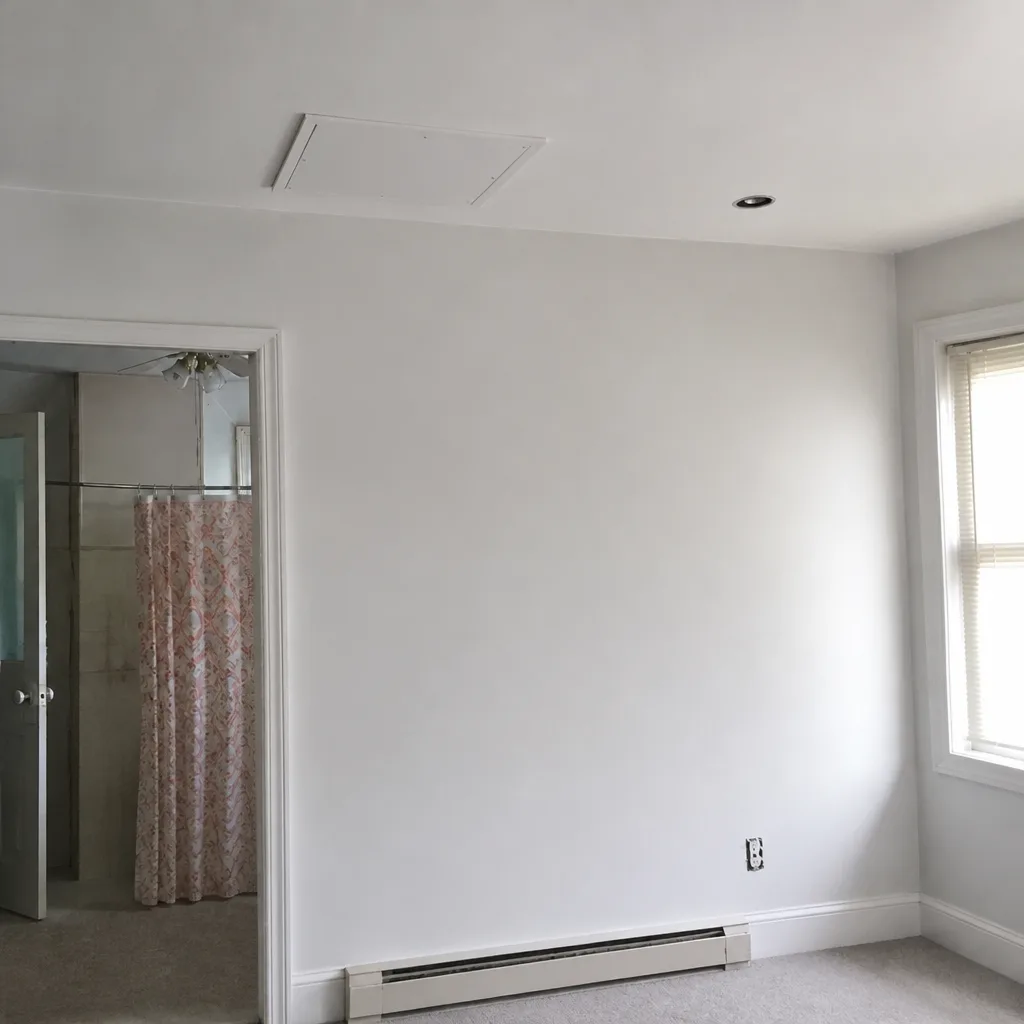 After
Common Mistakes to Avoid
- Hiring on price alone. A quote that’s dramatically below the market almost always means a shop-vac job with no agitation and no component work. The invoice is smaller because the work being done is smaller.
- Accepting a cleaning that skips the air handler and coil. Clean ducts downstream of a dirty coil get re-contaminated within weeks. Ask specifically whether the blower and coil are included in the scope.
- Trusting a per-vent quote structure. Per-vent pricing encourages speed over thoroughness, and it rewards the technician for counting registers rather than cleaning them. Whole-system pricing is the honest structure.
- Skipping the post-job verification. Any cleaning should be documented with before-and-after photos of the actual ducts, taken inside the system. If a company can’t produce those, the work may not have been done.
- Overlooking dryer vent cleaning. If the dryer is in the same building as the HVAC, it belongs on the same visit. Lint build-up in a shared or long vent run is a fire risk that a duct cleaning alone doesn’t touch.
- Assuming a cleaning will fix a leaky system. In older Riverdale buildings, duct leakage often means new dirty air is entering the system the moment the cleaning is done. Ask about sealing at the same time as cleaning.
- Not checking the filter grille configuration. A poorly seated filter lets unfiltered air bypass into the system, which recontaminates clean ducts. This is a two-minute check that saves months of re-dirtying.
When to Call a Professional
Not every musty smell means your ducts need cleaning, but a few situations reliably call for a professional assessment. Persistent musty or stale odors when the system runs are the clearest signal, particularly in a Riverdale pre-war building with basement returns. Visible dust blowing out of registers right after a filter change is another. Uneven airflow between rooms in the same unit usually points to a blocked or disconnected run, which needs a camera inspection. Anyone with worsening allergy symptoms that correlate with HVAC use has reason to have the coil and duct interiors inspected. And if the ducts haven’t been cleaned in years and the building has had recent renovation, a professional assessment is warranted. Riverdale Air Duct Cleaning offers free estimates in Riverdale. Call (877) 792-7057 to book an assessment, and we’ll tell you what the system actually needs.
Frequently Asked Questions
Cost depends on the number of registers and returns, the condition of the system, and whether HVAC components like the blower and coil are included. Whole-system cleaning is the honest structure for pricing, and the written estimate sets the final price before any work begins. Call (877) 792-7057 for an exact quote on your property; estimates are free.
Cheap quotes usually mean a limited scope: registers vacuumed, no duct interior agitation, no plenum, no blower or coil work, no before-and-after verification. That’s a different service from a full-system clean, and it produces a different result. The lower invoice reflects less work, not a better deal. Call (877) 792-7057 to compare our scope against whatever quote you’re holding; estimates are free.
Ask for before-and-after photos of the duct interiors, taken inside the system rather than at the register faces. A complete job also includes a written summary of what was cleaned and any findings from the inspection. If a company can’t provide the documentation, the work may not have been completed as quoted. We document every job this way; call (877) 792-7057 to schedule and see it for yourself.
There’s no universal schedule. The honest answer is that frequency depends on the system, the building, and recent renovation or water damage. Homes with pets, recent renovation, or a history of moisture problems tend to need cleaning more often than a well-sealed unit in newer construction. Call (877) 792-7057 for an inspection-based recommendation on your Riverdale property.
Often yes. In older Riverdale buildings, duct joints and retrofit splices are the most common source of re-contamination after a cleaning. Sealing the leaks at the time of cleaning closes the pathway for new dirt and typically improves airflow. Call (877) 792-7057 and we’ll assess the duct joints along with the cleaning scope; estimates are free.
No, dryer vent cleaning is a separate duct system from the HVAC ductwork and needs its own cleaning. It’s often overlooked in co-op and condo buildings where the vent run is long or shared. We offer it as a standalone service. Call (877) 792-7057 to book it alongside a duct cleaning if you want both handled in one visit.
Yes. Cleaning the ducts while leaving the air handler, blower, and coil untouched is a common half-job. We treat the whole pathway: from the air handler to every register. Call (877) 792-7057 to schedule a full-system cleaning; the estimate is free and the scope is set before any work begins.
The Bottom Line
A real air duct cleaning in Riverdale means cleaning the whole system, not just the visible parts. That includes the supply and return ducts, the plenum, the air handler, the evaporator coil, and the blower wheel, all addressed in one visit with professional-grade negative-air equipment and rotary brush agitation. Riverdale’s older, dense, pre-1980 housing stock has its own contamination patterns, and a cleaning that ignores those patterns leaves the system right where it started. The equipment roster matters: Rotobrush and Nikro systems, Abatement Technologies scrubbers, and Guardsman sanitizing. The verification matters too: before-and-after photos of your actual ducts, every time. If this guide has raised questions about your own system, we’d rather inspect it than guess.
Contact
If you’re in Riverdale and want a straight answer about what your duct system actually needs, call us. We’ll assess the whole pathway from the air handler to every register, explain what we find, and give you a written estimate before any work starts. Call (877) 792-7057 for a free estimate. We answer 24/7. Fast dispatch from 7am to 7pm, Sunday through Friday. Our technicians have up to 13 years of experience, and our work is documented with before-and-after photos on every job. A cleaning that treats the whole system is a different service from a register vacuum, and we’re glad to walk you through the difference.
Written by the team at Riverdale Air Duct Cleaning.