
Last updated November 22, 2026
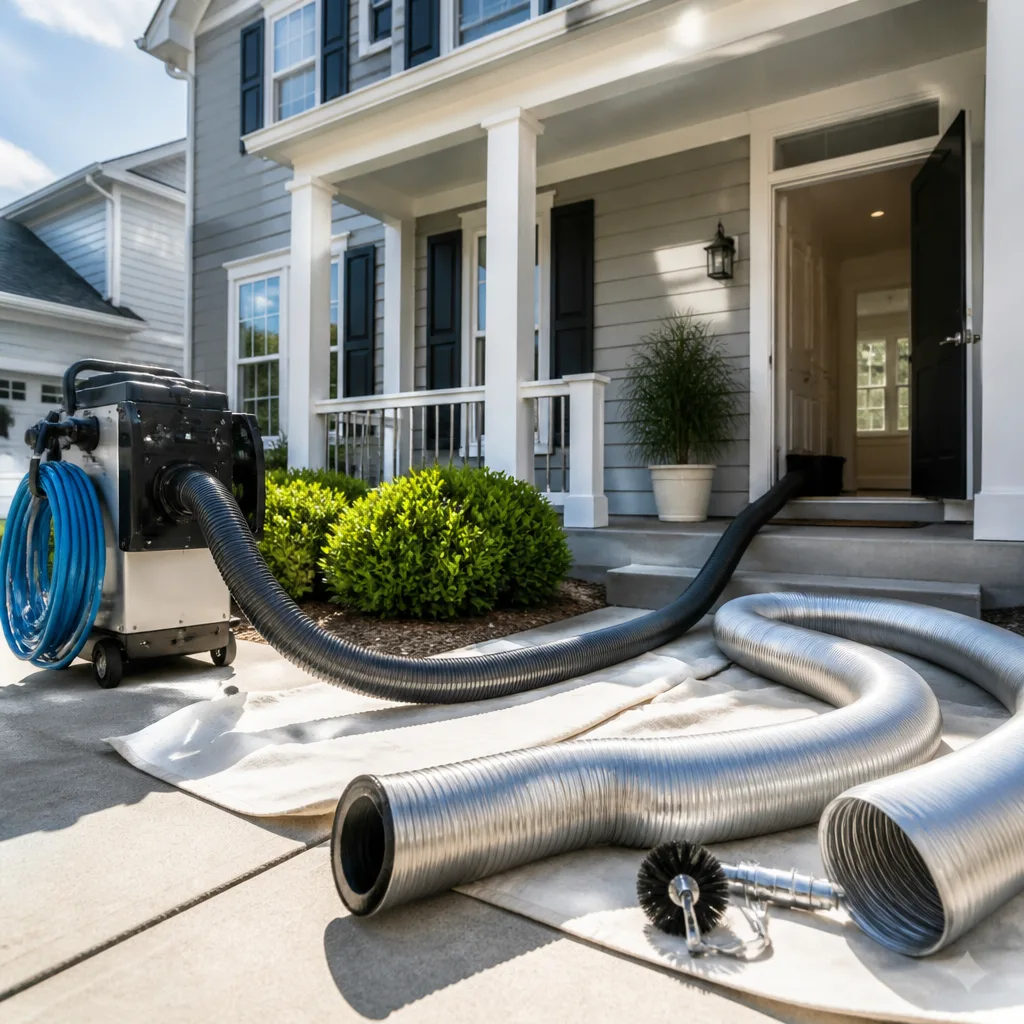 Whole-home duct cleaning
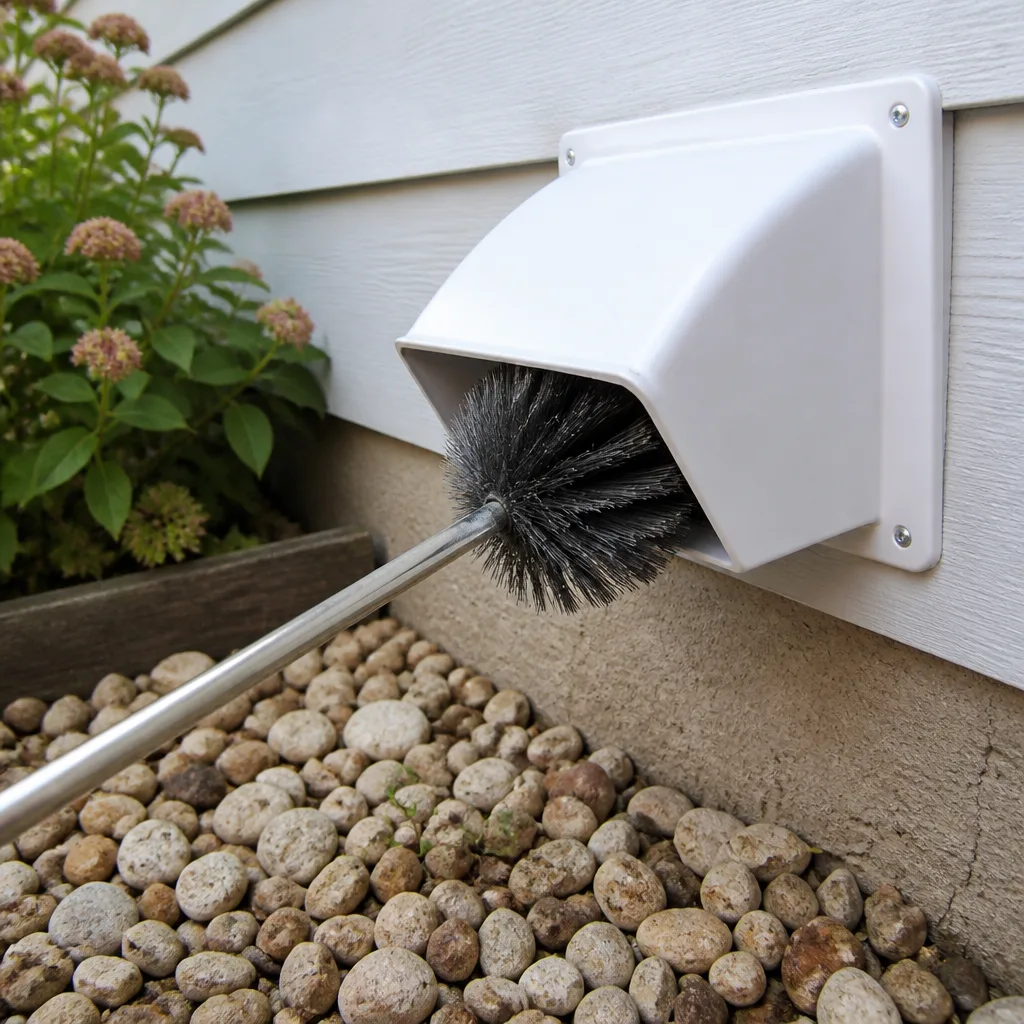 Dryer vent cleaning
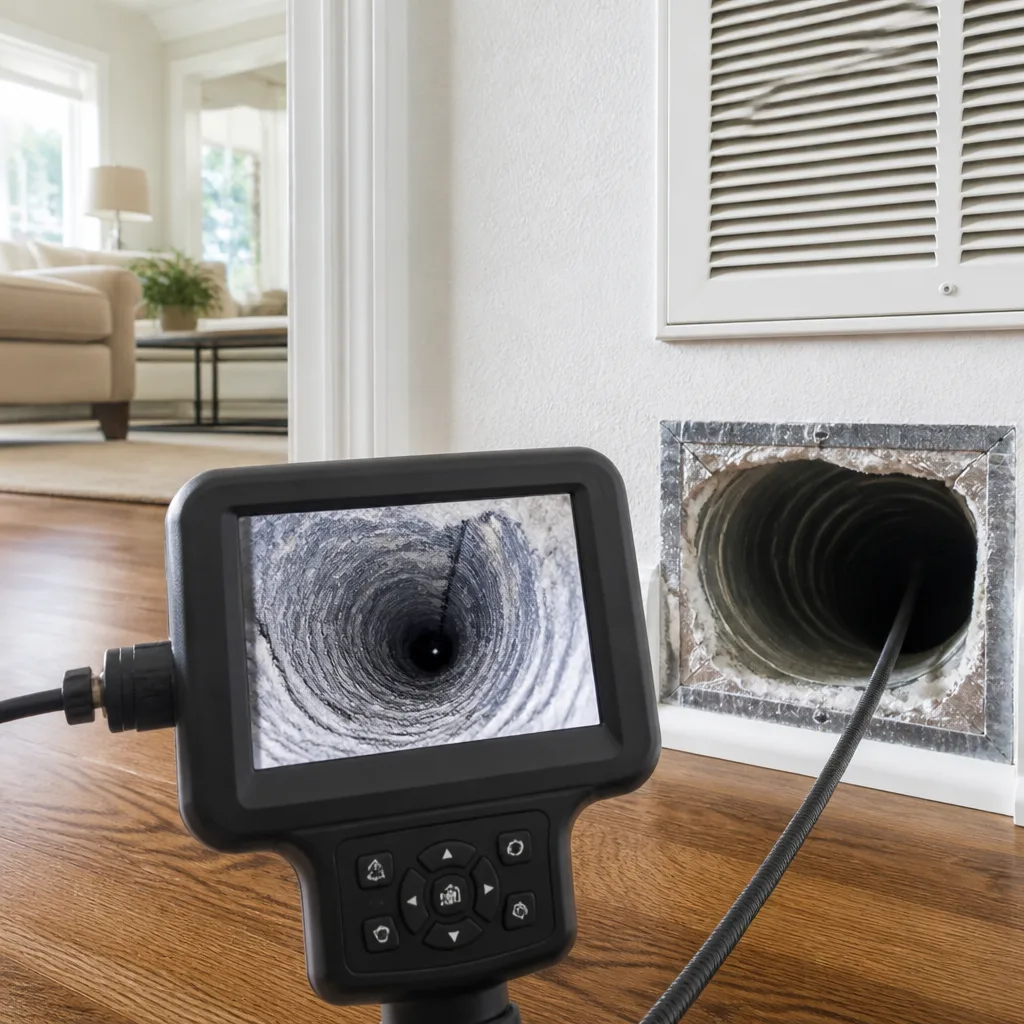 Camera inspection
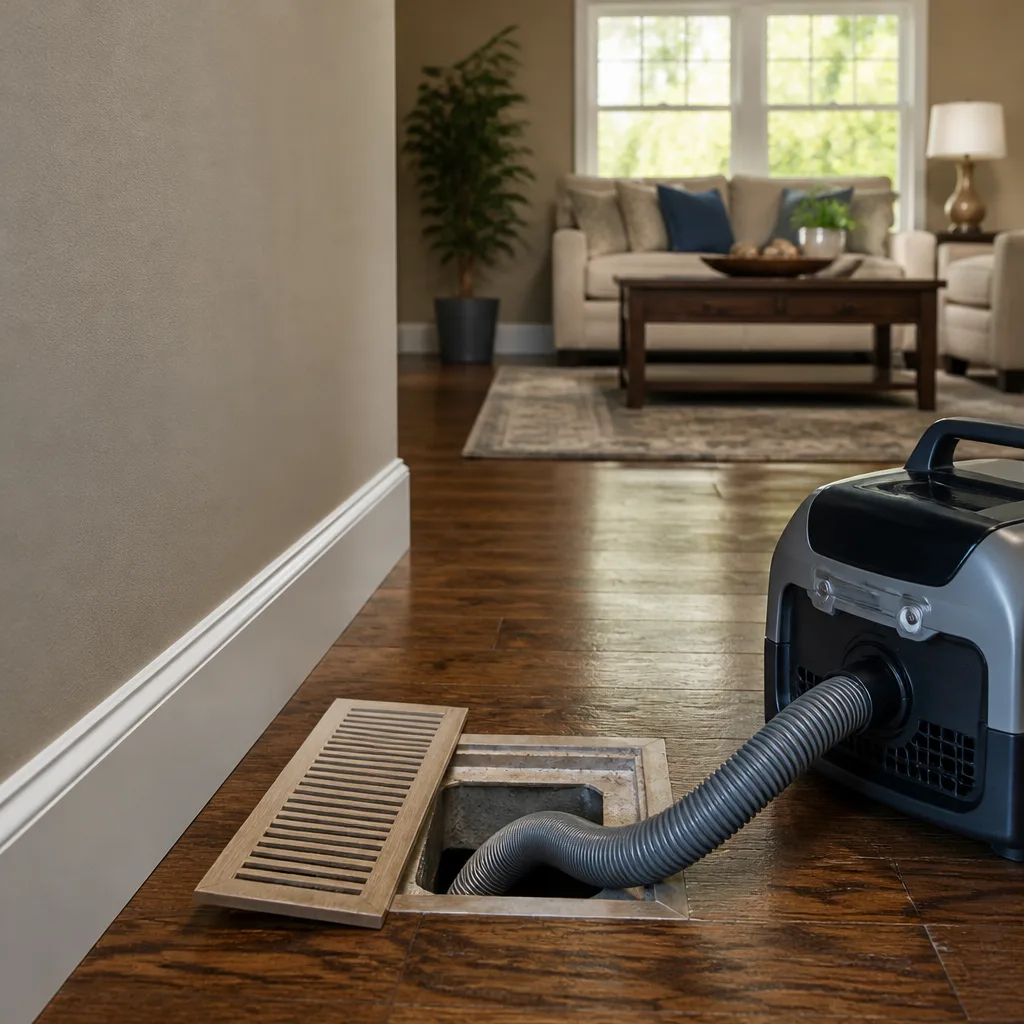 Sanitizing & deodorizing
Whole-system duct and dryer vent check with before-and-after photos - you see exactly what came out of your vents
That "$99 whole-house special" is a bait ad - the real number appears once they are in your hallway, or the "clean" is a shop-vac at the register. We photograph the inside of your ducts before and after instead.
Seasonal Air Duct Cleaning Care for Riverdale: Year-Round Homeowner’s Guide
Most homeowners in Riverdale think about their ducts once: when something smells wrong. The worst time to discover your ducts are coated in summer humidity condensation is the first cold morning you fire up the heat. That musty blast on startup isn’t dust. It’s often mold spores coming back through the registers, pushed out by warm air moving across a cooling coil and duct walls that stayed damp all season. Riverdale’s compressed seasons make this cycle predictable. Humid summers, cold winters, and brief shoulder periods each leave a different signature inside your ductwork. This guide maps those seasons to specific risks and gives you a service calendar you can actually follow. You’ll learn what to inspect, when cleaning makes sense versus a simple checkup, and how neighboring renovations push construction dust into shared pathways.
Styles & brands we work with
- Whole-home duct cleaning
- Dryer vent cleaning
- Camera inspection
- Sanitizing & deodorizing
Quick Answer
In Riverdale, NY, air ducts need a professional inspection each spring and fall, with full cleaning typically every two to three years depending on your home’s age, pets, and whether your building has shared ductwork. Schedule coil cleaning before AC startup in late spring and a heat exchanger inspection before the first heating cycle. Post-season cleaning is remediation, not a checkup, and confusing the two is how homeowners miss the window when a problem is still small.
Table of Contents
- Why Riverdale’s Seasons Drive Duct Contamination
- Spring: Pollen Loading and the Pre-AC Checkup
- Summer: Condensation and Mold Potential on Cooling Coils
- Fall: Debris Infiltration and Renovation Season
- Winter: Combustion Byproducts in Older Forced-Air Systems
- Pre-Season Checkup vs. Post-Season Cleaning
- How the Hudson and Riverdale’s Elevation Affect Duct Moisture
- Your Riverdale Duct Service Calendar
- Common Mistakes to Avoid
- When to Call a Professional
- Frequently Asked Questions
- The Bottom Line
Why Riverdale’s Seasons Drive Duct Contamination
Riverdale sits in a climate with real seasonal contrast. Summers are humid, winters drop below freezing, and the shoulder periods between them are short. That compression matters because each transition forces your HVAC system to change how it moves air. A system that ran in cooling mode for months suddenly runs in heating mode, and the dust, pollen, and moisture residue that settled on duct walls all summer gets picked up again. In homes with forced-air heating and central cooling sharing one duct run, that shift happens twice a year and each time redistributes whatever wasn’t cleaned out.
Contamination builds in layers. The first layer is particulate: dust, pollen, pet dander, and construction debris that gets pulled in through return grilles. The second layer is biological, and it only develops where moisture is available. That’s why a duct system in a dry climate and one in Riverdale age differently even at the same age. The third layer is chemical, such as combustion byproducts migrating backward through a shared system or odors that settle into porous duct liner and never leave.
Each layer needs different treatment. A vacuum pulls the first layer. Sanitizing addresses the second. Sealing and repair prevent the third from recurring. That’s why we treat the full system from the air handler to every register rather than spot-cleaning the worst-looking run. Clean ducts are only part of the story. Sealed, repaired ducts keep them clean longer, and in a climate with this much seasonal swing, that difference compounds year after year.
Spring: Pollen Loading and the Pre-AC Checkup
Spring in Riverdale brings a specific burden: pollen. Trees and grasses release it in waves from April through June, and every open window, door, and outdoor air intake pulls it into your duct return. Most of it never reaches a filter. It settles on the interior surfaces of your return plenum, on duct walls, and against the fins of the evaporator coil before anyone turns the AC on. Then the first cooling call moves all that settled pollen through the system and back into living spaces.
That’s why the pre-AC checkup matters more than the cleaning itself in spring. The checkup is a diagnostic visit: we inspect the return and supply runs from the air handler to every register, check the coil for visible buildup, look for disconnected sections or failed mastic joints, and confirm the filter is seated correctly. If the system needs cleaning, we recommend it based on what we find, not on a calendar.
Spring is also the busiest renovation season in Riverdale buildings. Gut rehabs, kitchen replacements, and bathroom work push fine drywall dust into shared duct pathways, especially in multifamily buildings where units share a return. If work is happening in your building or an adjacent unit, expect more particulate loading in your ducts and schedule an inspection at the end of the project rather than the middle.
- Inspect the return plenum and coil for visible pollen and dust loading before the first AC run.
- Confirm the filter is the right size and sealed at the edges, not just inserted.
- Check each supply register for airflow balance; uneven flow often means a disconnected run, not a dirty filter.
- Schedule full cleaning after any major renovation in your unit or adjacent units.
Summer: Condensation and Mold Potential on Cooling Coils
Cooling coils are wet by design. A properly running AC pulls moisture out of the air, and that moisture drips into a drain pan and out the condensate line. What goes wrong in a humid Riverdale summer is when that moisture stays somewhere it shouldn’t. A drain pan that doesn’t fully slope, a condensate line that clogs, or a coil box with insulation that stayed damp all season creates a wet substrate inside the system. Mold spores that were dormant on duct surfaces in dry weather suddenly have a place to grow.
You won’t see it. What you might notice is a musty smell when the AC kicks on, a humidity level in the house that never quite drops, or allergy symptoms that flare in summer rather than spring. We’ve seen the same pattern in Riverdale homes as in commercial work: the coil is fine, the ducts are fine, but the transition point between the coil cabinet and the supply trunk stayed damp because airflow across that joint was restricted.
What to check versus what to clean: check the drain pan and condensate line yourself if you’re comfortable, and watch for standing water in the pan. Don’t open the coil cabinet or reach into the supply trunk on your own. A professional cleaning in summer should include the coil, the drain pan, and the immediate ductwork downstream of the coil, using negative-air extraction so the debris you’re removing doesn’t get pushed into the house. Once the coil is clean and the pan is dry, airflow improves and the whole system dries out faster.
Fall: Debris Infiltration and Renovation Season
Fall is when outside debris moves in. Leaves, seed pods, and fine grit get pulled into outdoor air intakes, and if the intake hood, screen, or filter is damaged or missing, that material ends up at the base of your return and in the return trunk. Colder nighttime air also means your system starts mixing heating and cooling calls, and duct sections that were tight all summer start to show gaps as the ducts contract. Small gaps at mastic joints and connections open and draw air from unconditioned spaces: attic air, basement air, wall cavities. That air carries insulation fibers, dust, and sometimes moisture.
Fall is also Riverdale’s second renovation season. Builders work while the weather holds, and every project in a building with shared ducts pushes construction dust into the system. Fine drywall dust is the worst offender because it’s light enough to stay airborne and it settles on every interior surface in a run. If you live in a building with shared returns and have neighbors renovating in October, your ducts will collect their drywall dust.
This is also the season when duct sealing pays off. Duct repair and sealing before the heating season starts means warm air goes where it should and contaminated air from unconditioned spaces stays out. If you haven’t had a professional look at the joints in a few years, fall is the right time.
Winter: Combustion Byproducts in Older Forced-Air Systems
Older homes in Riverdale with forced-air heating sometimes share space with a furnace or a gas appliance near the return. When the return pulls air from the same room as a gas furnace, water heater, or dryer, it can change pressure in that room enough to draw combustion byproducts backward through the vent. That’s a real safety issue, not a nuisance. If your return is in the same closet or basement zone as a combustion appliance, the system needs to be evaluated by a licensed professional before anything else happens.
This is not a do-it-yourself fix. Anything involving a gas appliance, a heat exchanger, or the flue needs a trained, licensed professional. A cracked heat exchanger can leak carbon monoxide into the supply airstream, and you can’t smell it. Fall and early winter are when heat exchangers get their first real test of the year, so a pre-heating inspection of the heat exchanger is worth scheduling before the first cold snap rather than after.
Winter also concentrates everything the rest of the year left behind. As the heating runs continuously, the first layer of settled dust gets airborne, odors from an uncleaned duct liner get stronger, and any biological growth that started in the summer humidity starts releasing spores with the warm airflow. If you only clean once a year, this is the season when the results show up most obviously in how the house smells and how the air feels.
Pre-Season Checkup vs. Post-Season Cleaning
The single most common confusion in seasonal duct care is treating a checkup and a cleaning as the same visit. They’re different services with different purposes, and each one belongs in a different part of the year.
A pre-season checkup is an inspection. It happens before the system changes modes: once in early spring before cooling, once in early fall before heating. The technician inspects the system for problems, confirms airflow, and gives you a report. Most of the time the answer is “the system is fine, clean the filter, call us if anything changes.” That’s a good outcome. A checkup catches small problems, disconnected runs, failing mastic joints, wet drain pans, before they grow into cleaning jobs.
Post-season cleaning is remediation. It happens after a season of heavy use, after a renovation, or when the checkup turned up contamination. The technician uses rotary brush agitation and negative-air extraction to remove what built up through the season, cleans the coil and drain pan, and treats the system where biological growth is a concern. We use Rotobrush rotary equipment and Nikro negative-air machines, the same tools specified for restoration and commercial duct work, because a residential system that’s been loaded for months needs the same level of removal as a commercial one.
Confusing the two leads to missed service windows. If you wait for cleaning until the system smells, you’ve missed the checkup that would have caught it early. If you call for cleaning in season when the system is running hard, you cycle the debris you’re trying to remove back into the house before the work is done.
How the Hudson and Riverdale’s Elevation Affect Duct Moisture
Riverdale sits above the Hudson on higher ground, with tree cover, older housing stock, and a north-facing slope that stays shaded longer than much of the surrounding borough. Shade and proximity to a major river keep ambient humidity higher here than in more open parts of the city, and that humidity has real consequences for duct moisture. Ground-floor and basement units are the most exposed. Cooler slabs, damp basements, and less direct sun mean duct walls stay near or below the dew point more of the year. Where the duct runs through a basement or a below-grade cavity, condensate forms on the outside of the duct every summer and drips into insulation, which is the exact condition mold needs.
Upper-floor units dry out faster but aren’t immune. Attic and roof cavity duct runs in older Riverdale homes are often wrapped in insulation that’s deteriorated or missing, and the temperature swing in those cavities is extreme. Duct surfaces cold from running AC come in contact with warm, humid attic air, and condensation forms on the outside of the duct where the insulation has failed. The duct itself is fine; the moisture sits in the insulation and passes heat back into the supply.
What this means in practice: ground-floor and basement units should have duct moisture inspected at least once each spring before cooling season, and insulation along below-grade duct runs should be intact. Upper-floor units should be checked for missing insulation on attic and cavity runs. Neither issue is visible from inside the house, which is why a professional inspection is worth scheduling even when nothing smells wrong.
Your Riverdale Duct Service Calendar
Here’s how the year breaks down if you want to stay ahead of contamination instead of reacting to it.
- Late March to mid-April: Pre-cooling inspection. Check coil, drain pan, return plenum, and filter. Address any insulation damage on ground-floor or basement duct runs.
- Late April to mid-May: Coil cleaning if the inspection shows buildup. Do this before the first sustained cooling, not after.
- June through August: Watch for musty odors at startup, humidity that won’t drop, and allergy symptoms that flare in summer. These are signs of coil or duct moisture. Schedule an inspection if they appear.
- September to mid-October: Pre-heating inspection. Check the heat exchanger and confirm combustion appliance safety. Inspect return intakes for debris intrusion.
- Late October to November: Post-season duct cleaning if the year’s inspection justifies it, or at the end of any renovation project in your unit or adjacent units.
- December through February: Note any odors, airflow changes, or cold spots. These usually point to duct sealing needs rather than cleaning. Address sealing before next winter if issues persist.
Full professional cleaning every two to three years is a reasonable baseline for most Riverdale homes. Homes with pets, smokers, older forced-air systems, or recent renovations should be on the shorter end of that range. Homes in buildings with shared ductwork should be evaluated individually because a neighbor’s renovation affects your system.
Common Mistakes to Avoid
- Treating a cleaning as an inspection. A cleaning removes what’s there; an inspection finds what’s causing it. Skip the inspection and you’ll clean the same problem year after year without ever fixing the source.
- Cleaning only the visible runs. The worst contamination is usually at the return plenum, on the coil, and in the transition points where airflow changes. Registers look fine while the upstream run is loaded.
- Ignoring ground-floor and basement moisture. In Riverdale, below-grade duct runs stay near the dew point most of the summer. If the insulation around those runs isn’t intact, no amount of cleaning will stop condensation from returning.
- Skipping the end-of-renovation inspection. Fine drywall dust from a neighboring unit’s work enters your system through shared pathways. Inspect after the project, not months later when the smell arrives.
- Opening the coil cabinet or the return trunk yourself. The coil is delicate, the cabinet is often connected to a combustion appliance zone, and the duct interior downstream of the coil is where the worst buildup sits. This part belongs to a professional.
- Calling for a checkup and asking for a cleaning at the same time. If you don’t know what’s wrong, a checkup is the right first visit. Deciding in advance turns a diagnostic into a sales call.
- Letting a shared-return building go untested. In Riverdale’s older multifamily stock, one unit’s renovation can load the entire shared return. If your building has shared ducts, ask about a building-level inspection when renovation happens.
When to Call a Professional
Call a professional when you notice a musty smell at system startup, when airflow has dropped at multiple registers, or when you see visible dust discharging from a supply register after the filter has been changed. Call when you’re living with a renovation in your building and the work is done, when your system is more than a few years old and has never been inspected, or when your energy bills have crept up without a rate change. Call before heating season if your return shares space with a gas appliance; that scenario needs a licensed professional, not a homeowner check. And call if you’re a property manager responsible for a building with shared ductwork, because the liability exposure from a single contaminated return affects every tenant.
Riverdale Air Duct Cleaning offers free estimates in Riverdale. We handle air duct cleaning as part of a full-system service that includes duct repair and sealing, HVAC unit cleaning, and air quality work under one visit, so you’re not coordinating three contractors. Call (877) 792-7057. We answer 24/7. Fast dispatch from 7am to 7pm, Sunday through Friday.
Frequently Asked Questions
Most Riverdale homes need a professional inspection each spring and fall, with full cleaning every two to three years. Homes with pets, recent renovations, or shared ductwork in multifamily buildings should be inspected more often, and homes with older forced-air systems should confirm the heat exchanger condition before each heating season. Call (877) 792-7057 for a free estimate on what your system actually needs.
A musty smell at first startup usually means biological growth on duct surfaces or the coil that stayed damp through the summer, and the warm airflow is releasing spores into the house. It’s not normal dust burn-off, which fades within a few minutes. If the smell lasts more than a day, schedule an inspection before running the system continuously. Call (877) 792-7057 for a free estimate.
Yes, but the timing matters more than the cleaning itself. Schedule a post-renovation inspection after the last coat of paint, not before. Fine drywall dust stays airborne for days and keeps settling into the return for weeks. Cleaning too early means doing it twice. Call (877) 792-7057 to schedule the inspection at the right point in your project.
A checkup is an inspection that confirms the system’s condition and identifies problems. A cleaning is the remediation work that removes what the inspection found. They belong in different parts of the year: checkups before each season change, cleaning after a season of heavy use or at the end of a renovation. Call (877) 792-7057 and we’ll tell you which one you actually need.
You can and should keep registers clear and change the filter on schedule, but that’s not cleaning the ducts. The contamination that matters sits upstream of the registers, in the return plenum, on the coil, and inside the supply runs, none of which is reachable from inside the room. The coil, the cabinet, and the duct interior need professional equipment. Call (877) 792-7057 for a free estimate on a full-system inspection.
Schedule an inspection after the renovation finishes, not during. Construction dust from one unit migrates through shared returns and settles throughout the building’s ductwork. A post-project inspection finds where it ended up and whether the shared return needs cleaning. If the building is managed, coordinate the inspection with the manager. Call (877) 792-7057 for a free estimate.
The Bottom Line
Riverdale’s seasonal pattern drives a predictable contamination cycle: spring pollen loading, summer condensation and mold potential, fall debris and renovation dust, and winter concentration of everything the rest of the year left behind. The way to stay ahead of it is to separate the pre-season checkup from the post-season cleaning, schedule them at the right points in the year, and treat the full system from the air handler to every register rather than just the visible runs. Ground-floor and basement units need duct moisture inspection every spring. Buildings with shared returns need building-level attention when renovation happens. If you’re a homeowner or property manager in Riverdale, getting the timing right makes the rest of the year easier. That’s how a full-system specialist approach pays for itself.
If you’d like a straight answer on what your system needs and when, call Riverdale Air Duct Cleaning at (877) 792-7057 for a free estimate. We answer 24/7. Fast dispatch from 7am to 7pm, Sunday through Friday. We also handle dryer vent cleaning and HVAC cleaning under the same visit, so the full pathway gets attention at once. Our technicians have up to 13 years of experience, and we use professional-grade equipment from Rotobrush, Nikro, Honeywell, and Abatement Technologies to handle residential homes at a level usually reserved for restoration work. Start with the free estimate and a full-system inspection from Riverdale Air Duct Cleaning.
Written by the team at Riverdale Air Duct Cleaning.
See the difference
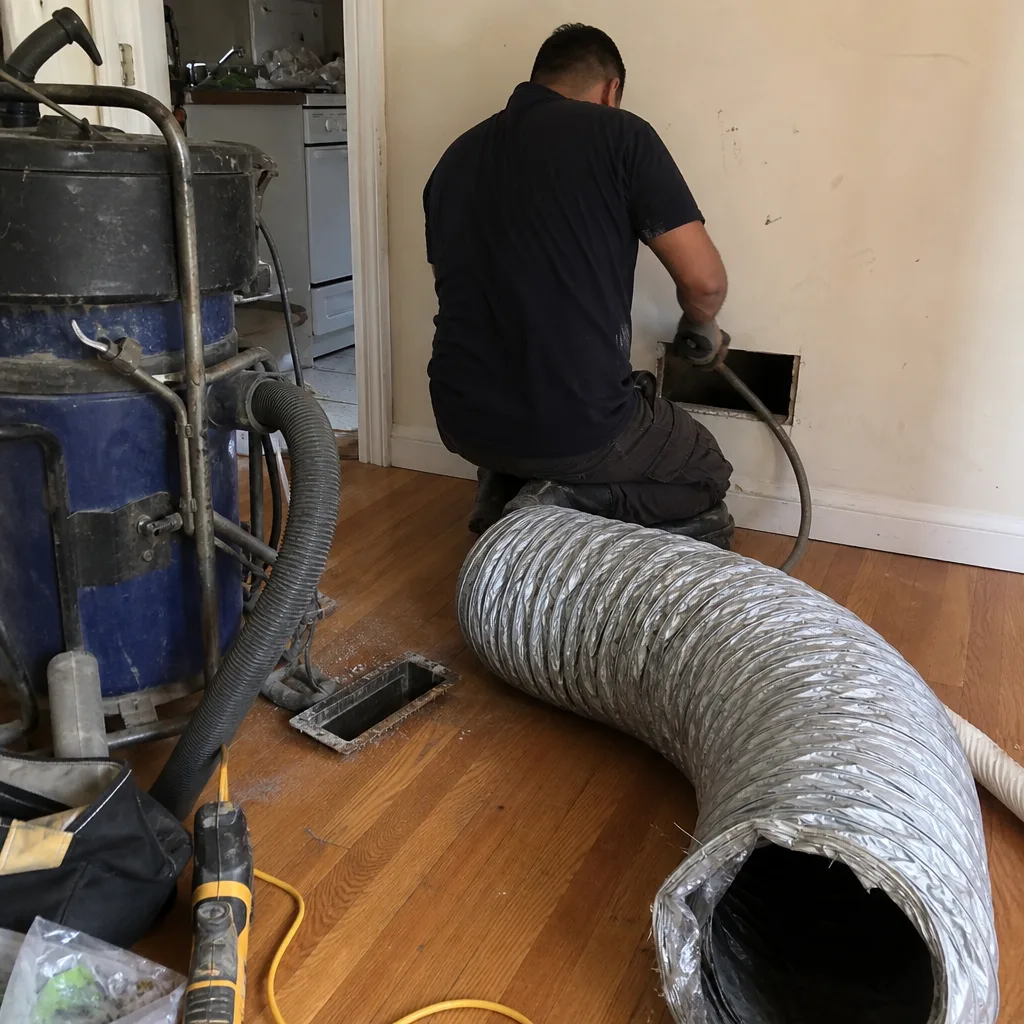 Before
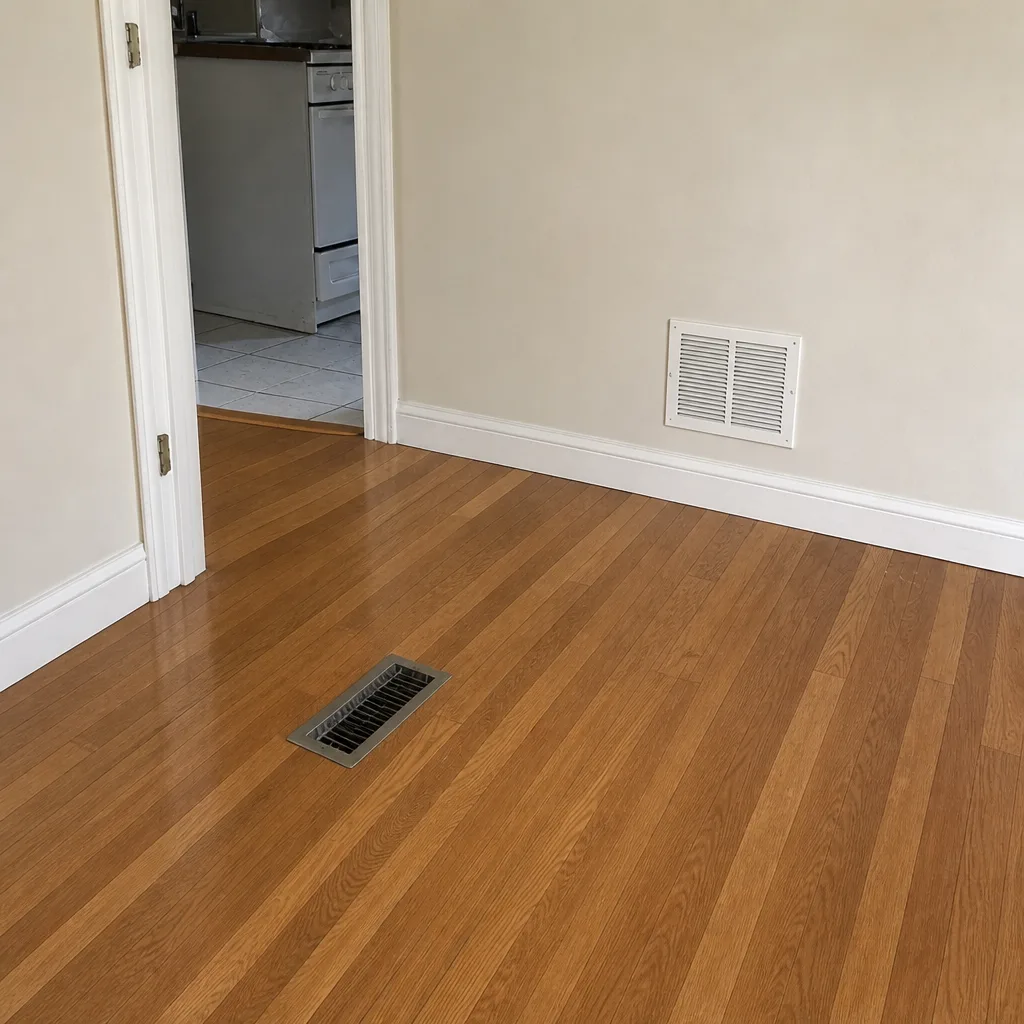 After
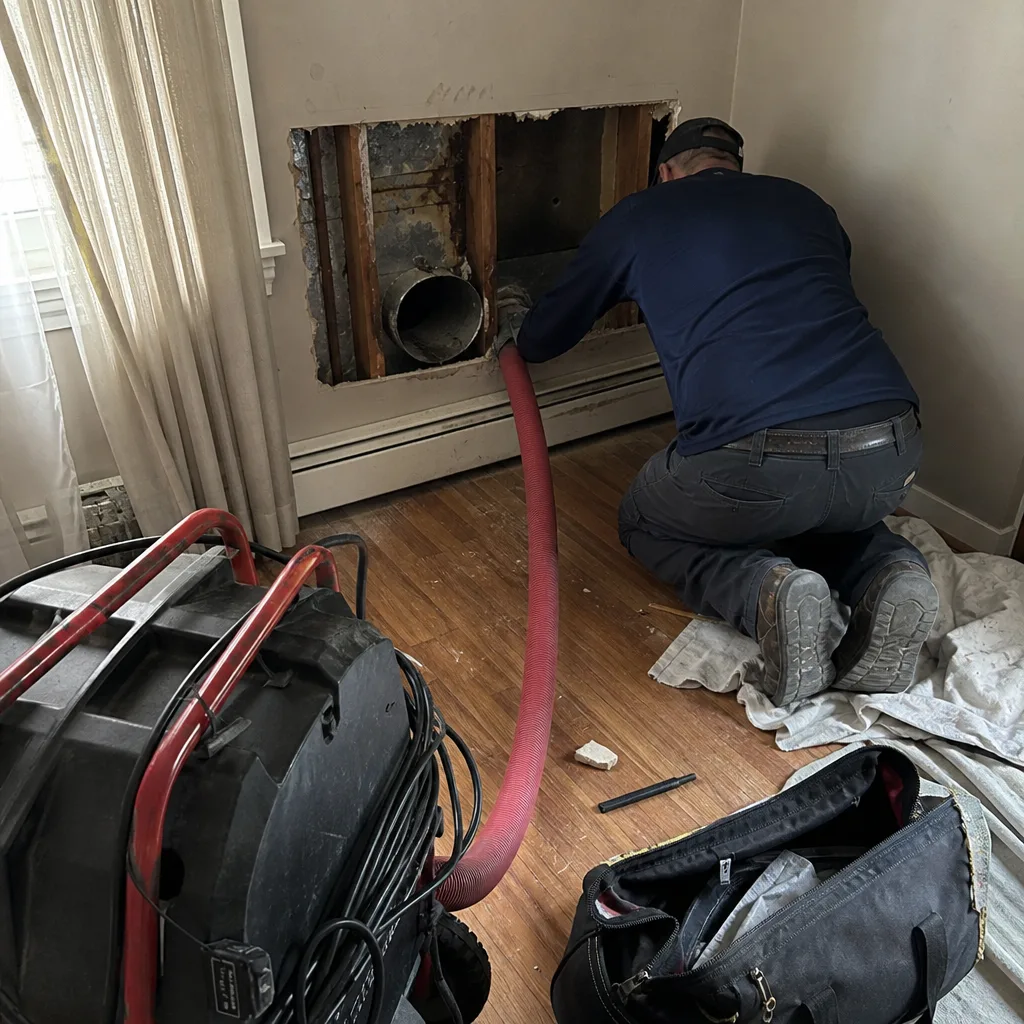 Before
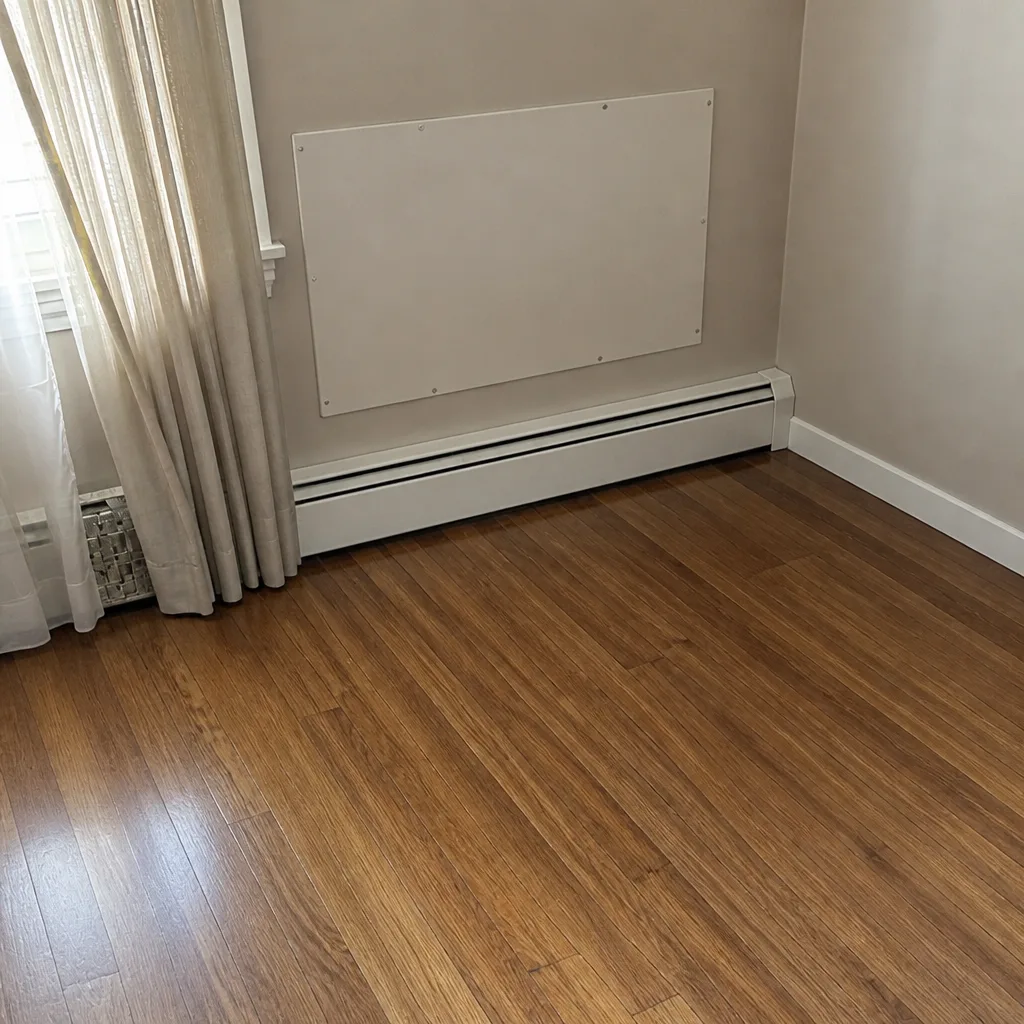 After
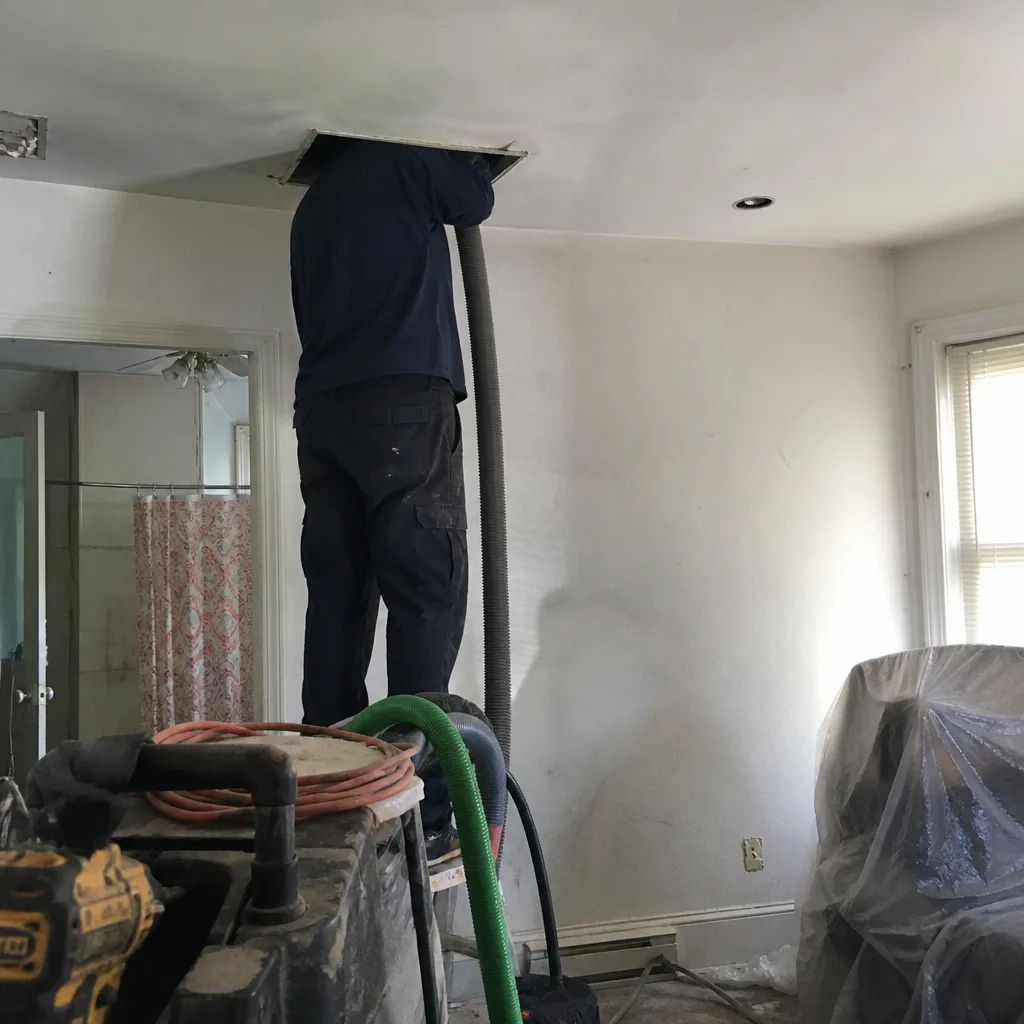 Before
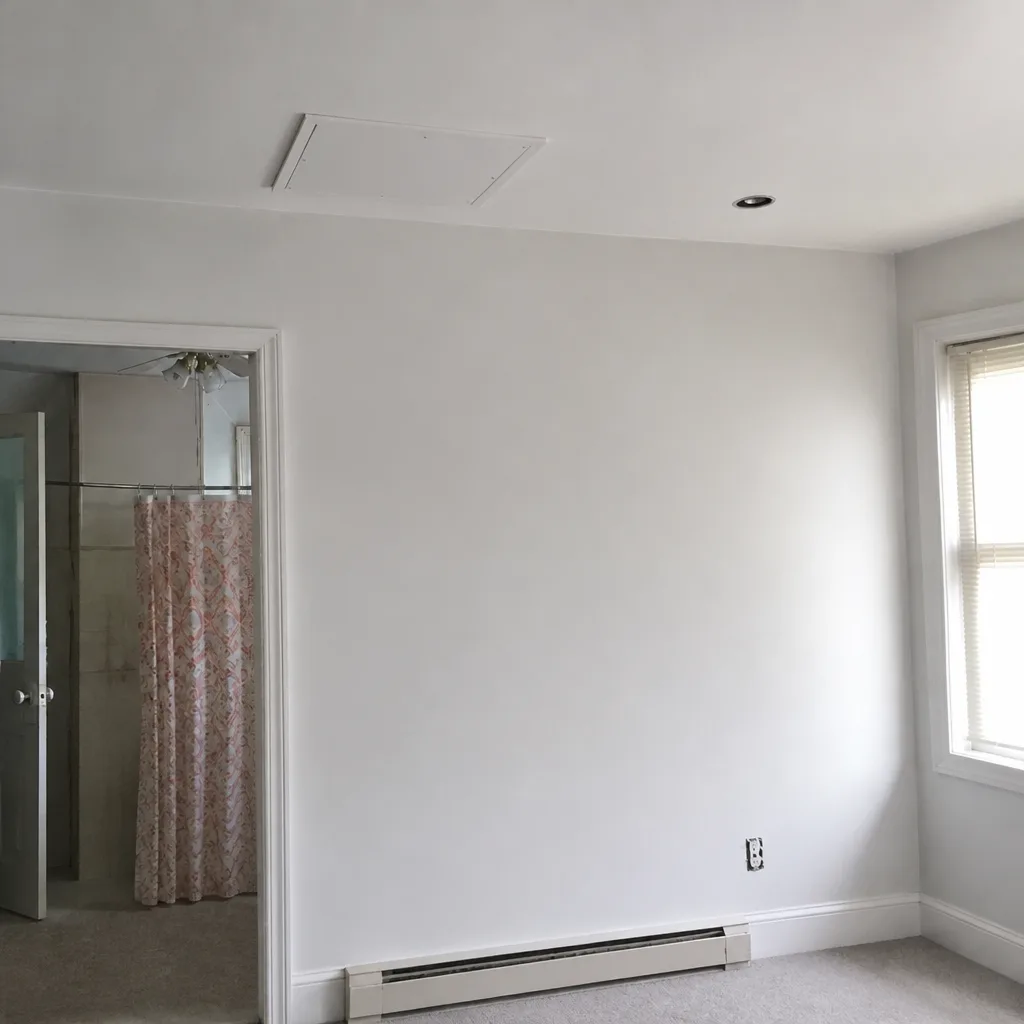 After