
Last updated November 22, 2026
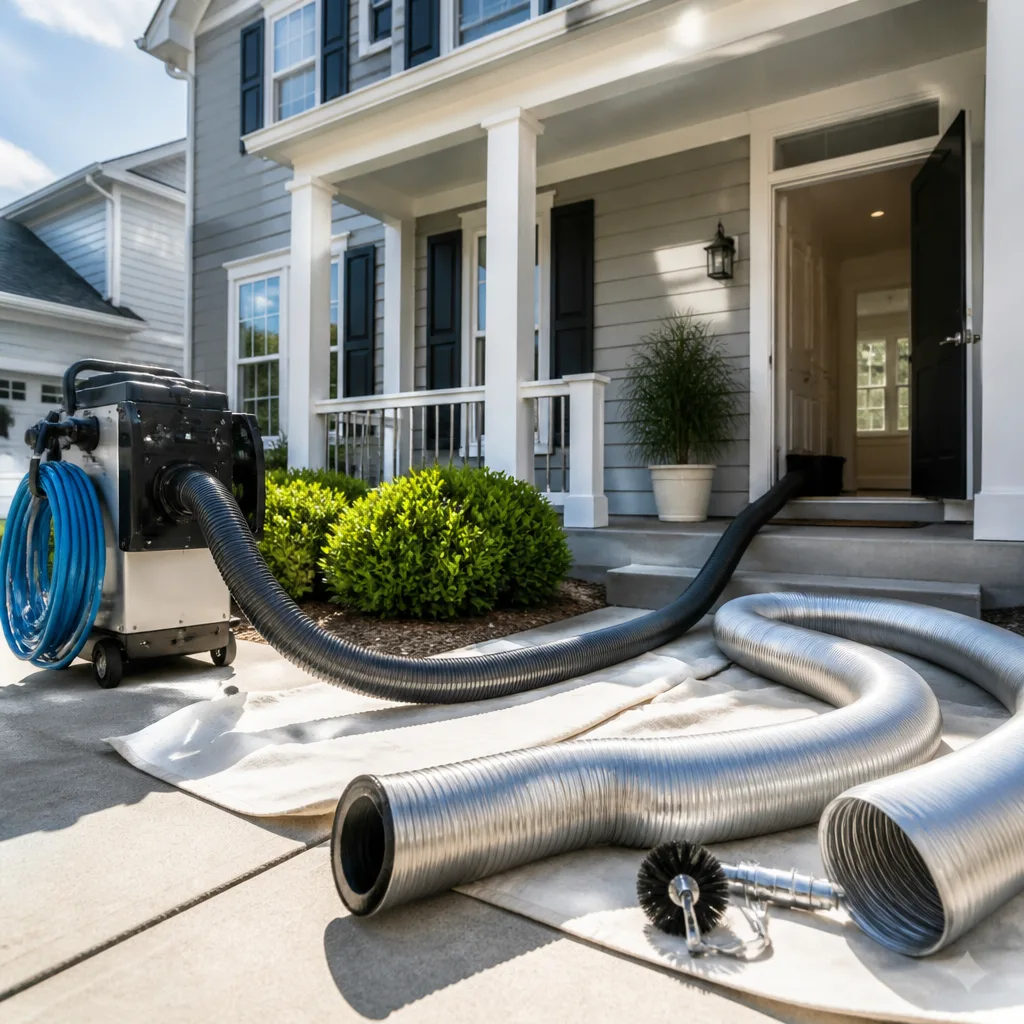 Whole-home duct cleaning
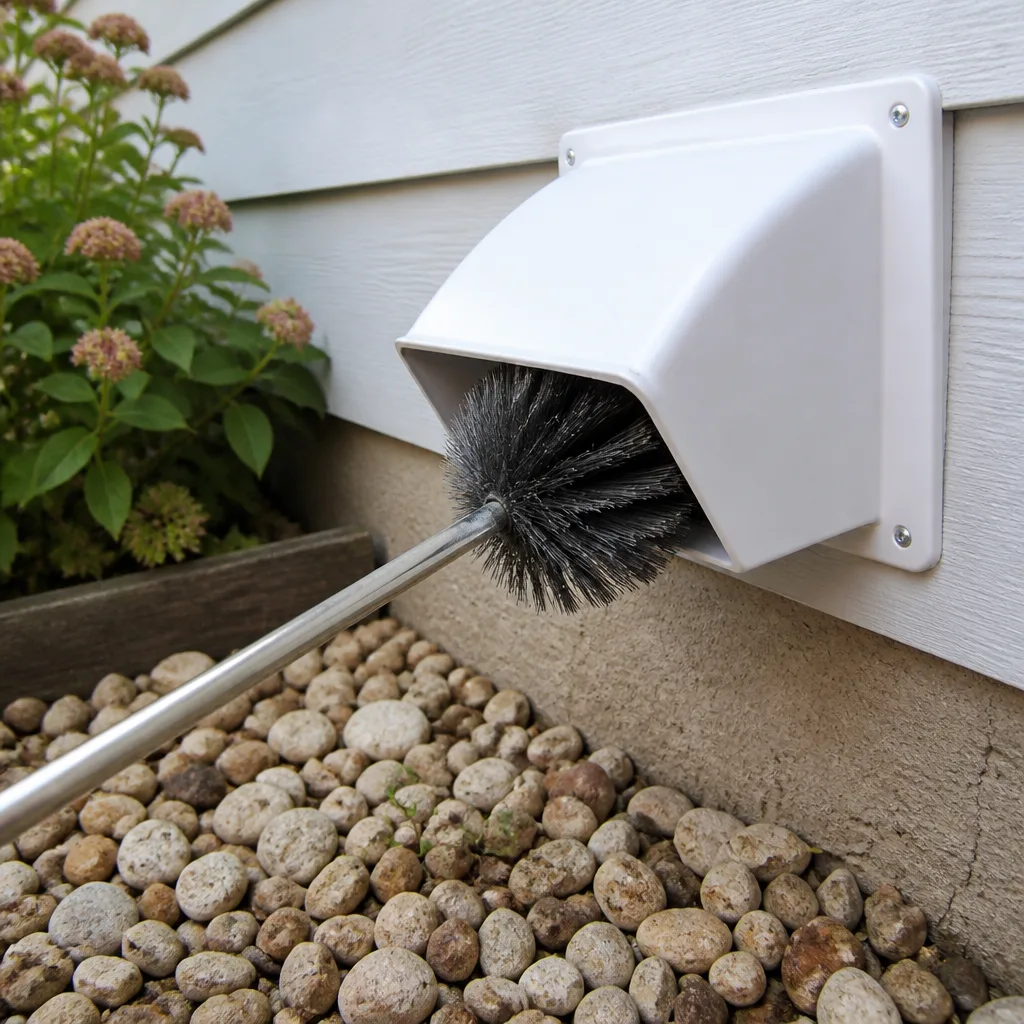 Dryer vent cleaning
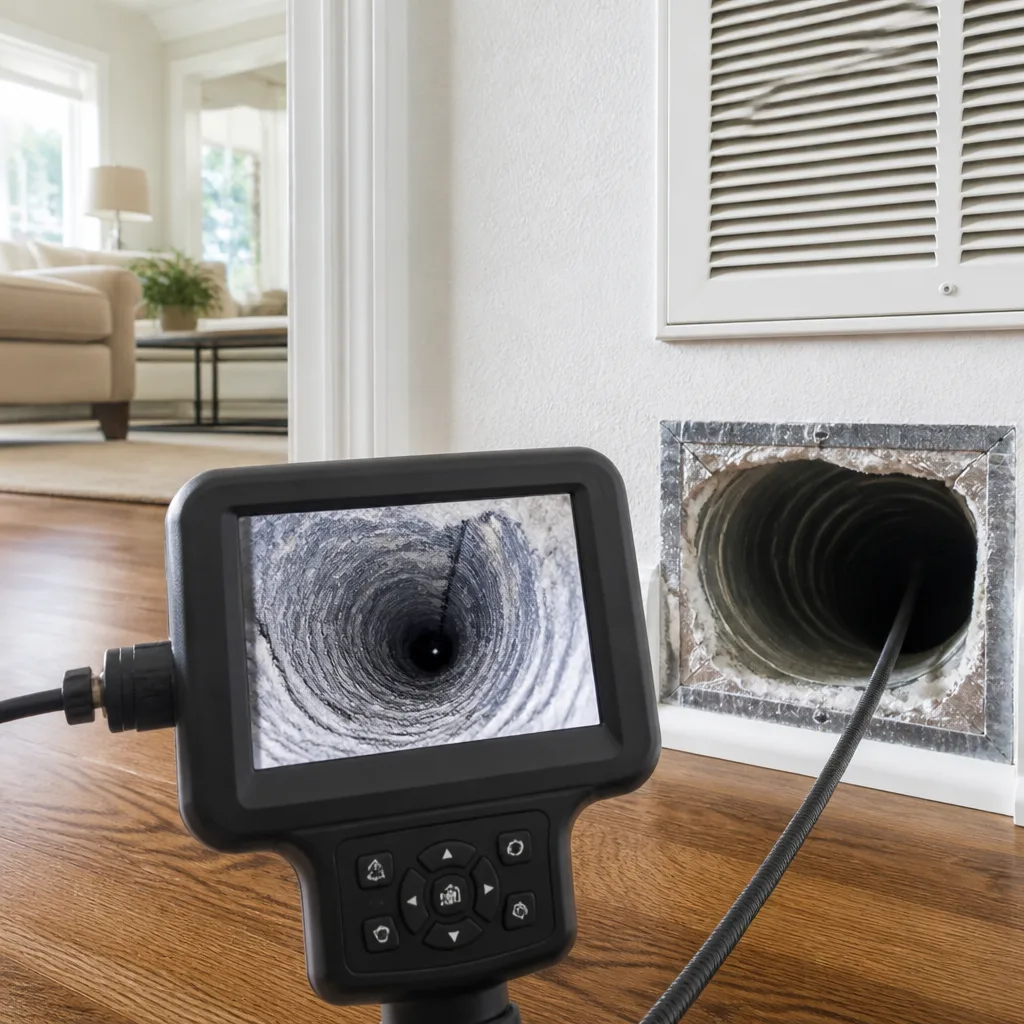 Camera inspection
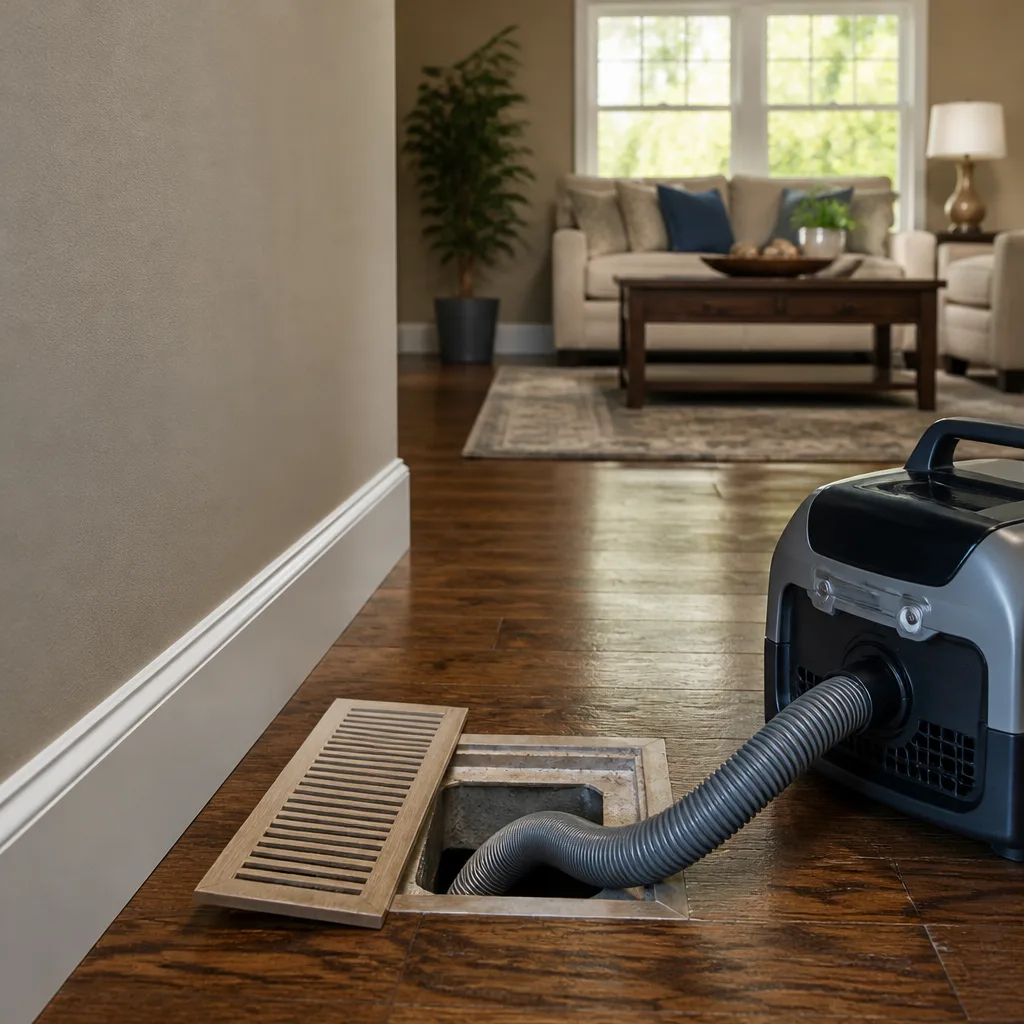 Sanitizing & deodorizing
Whole-system duct and dryer vent check with before-and-after photos - you see exactly what came out of your vents
That "$99 whole-house special" is a bait ad - the real number appears once they are in your hallway, or the "clean" is a shop-vac at the register. We photograph the inside of your ducts before and after instead.
Air Duct Cleaning Permits, Codes & Inspections in Riverdale, NY: What You Need to Know
Most people assume a permit is just paperwork for a new roof or a bathroom gut. Here’s the part that surprises homeowners: the cleaning itself almost never needs one, but the repair work that follows it often does. In Riverdale’s co-op and condo buildings, an unpermitted duct modification can sit quietly for years and then surface as a building violation during a sale. This guide walks you through when a permit is required, how NYC DOB mechanical inspections work, why Local Law 97 and board rules add a second layer of approval, and how to handle asbestos in older Riverdale buildings before anyone touches your ducts.
Quick Answer
In Riverdale, routine air duct cleaning does not require a permit. Duct modification, replacement, or liner installation usually does require an NYC Department of Buildings mechanical permit, and in a co-op or condo you’ll typically need board approval on top of that. Pre-1980 buildings need asbestos testing on duct insulation and joint tape before any disturbing work begins.
Styles & brands we work with
- Whole-home duct cleaning
- Dryer vent cleaning
- Camera inspection
- Sanitizing & deodorizing
Table of Contents
- Cleaning vs. Duct Modification: Where the Permit Line Falls
- When an NYC DOB Mechanical Permit Is Required
- Co-op and Condo Board Rules: The Second Layer of Approval
- How Local Law 97 Affects Duct Work in Riverdale Buildings
- Asbestos in Pre-1980 Riverdale Buildings
- What a NYC DOB Mechanical Inspection Involves
- Who Holds the Permit: Licensed Contractor vs. HVAC Specialist
- How a Fully Compliant Duct Job Should Go, Step by Step
Cleaning vs. Duct Modification: Where the Permit Line Falls
The simplest way to think about it: if the work only removes debris from an existing, unchanged duct system, no permit. If the work changes the shape, length, routing, or material of the duct system, a permit is likely required. Air duct cleaning in Riverdale falls on the no-permit side of that line the vast majority of the time.
Here’s where the confusion starts. A cleaning job often uncovers problems that were invisible before the vacuum arrived. A disconnected flex run above a hallway ceiling. A crushed section behind a kitchen soffit. Tape that has gone brittle and let the joints separate. Once you decide to fix any of those, you’ve crossed from maintenance into mechanical work, and the rules change.
Use this as a general guide, then confirm with the NYC Department of Buildings if you’re unsure:
- No permit typically needed: source removal of dust and debris from existing ducts, register and grille cleaning, air handler cleaning, negative-air containment during service.
- Permit typically required: replacing a section of rigid or flex duct, rerouting a run to serve a different room, installing a duct liner, adding a new supply or return, or altering the system in a way that changes airflow design.
- Permit and board approval typically required: any work that penetrates a wall, floor, or ceiling in a co-op or condo, since that touches the building’s structure or shared systems.
The practical takeaway for a Riverdale homeowner: get the cleaning done, then ask for a written report of anything that needs repair before anyone starts fixing it. That report tells you whether a permit is on the table.
When an NYC DOB Mechanical Permit Is Required
New York City treats ductwork as part of the building’s mechanical system, and the Department of Buildings is the agency that issues permits for mechanical work. If your project involves modifying or replacing ducts, expect to file. This is a rule of the jurisdiction, not a preference.
In our experience, Riverdale jobs that touch a permit usually look like one of these:
- Replacing a collapsed or crushed duct run after a cleaning reveals that the section can’t be salvaged.
- Installing a duct liner for sound or thermal control inside an existing chase.
- Adding a return air path to a room that has a supply but no return, which changes the system’s balance.
- Rerouting ducts during a kitchen or bathroom renovation, where new cabinetry or fixtures block the old path.
- Converting part of a system from one duct material to another, such as replacing old flex with rigid pipe.
The permit has a purpose beyond paperwork. It creates an inspection trail. If a building super, a board, or a buyer’s attorney later asks whether a duct change in your unit was done properly, that trail answers the question. Without it, the work is presumed unpermitted until proven otherwise, which puts the burden on you.
For routine cleaning of existing ducts, this section doesn’t apply. If you’re scheduling standard air duct cleaning and nothing else, its main value here is as the step that tells you whether a permit is even a question.
Co-op and Condo Board Rules: The Second Layer of Approval
Most Riverdale housing stock runs through co-op and condo buildings, and any mechanical work in a shared building answers to two authorities at once. The DOB is one. Your building’s board or management company is the other, and they can say no even when the DOB says yes.
Board approval typically covers things the DOB doesn’t care about, like how the work gets scheduled, who has access, and what the building’s alteration agreement requires. Expect to submit:
- A written scope of work describing exactly what will be modified and why.
- Proof of insurance from the contractor performing the work.
- Any required DOB permit filing, if the work touches building structure or shared mechanical systems.
- A start and completion date, often with working hours restricted to protect quiet hours in the building.
There’s a practical angle here that trips up a lot of people. A co-op alteration agreement often has a provision that unpermitted work discovered during a sale becomes the shareholder’s financial problem, not the contractor’s. That’s the scenario our opening hook pointed to: a duct repair done years ago with no paper trail, found during a buyer’s inspection, and now a violation on the building’s record. Fixing it then is far more involved than filing the permit at the time.
If you’re considering HVAC cleaning or duct repair in a Riverdale co-op, ask your board for their alteration rules before scheduling. The answer usually comes back quickly, and it prevents the surprise later.
How Local Law 97 Affects Duct Work in Riverdale Buildings
Local Law 97 is New York City’s building-emissions framework, and while its headline targets are large buildings, it shapes how Riverdale buildings think about their mechanical systems. Board-managed properties increasingly treat any duct or HVAC work as an opportunity to review the whole system, not just patch a single problem.
For a homeowner in a Riverdale co-op, this shows up in a few concrete ways:
- Boards scrutinize mechanical changes more closely than they did a decade ago, because the building’s overall energy picture now has an owner-facing cost attached to it.
- Duct sealing and repair requests get faster approvals than modifications, because sealed ducts reduce wasted airflow and support the building’s efficiency goals.
- Documentation matters. If a board asks whether a duct change affects energy performance, a written scope from a licensed contractor answers the question. A verbal explanation doesn’t.
We’ve watched this shift play out on Riverdale jobs: a homeowner calls about a musty smell, we clean the system, and the board wants a paper trail for any subsequent repair. The best time to have that conversation is before the work, not after. If you want a clean, documented starting point, the first move is usually Riverdale air duct cleaning with a written before-and-after report.
None of this changes the cleaning-side answer: routine duct maintenance doesn’t trigger Local Law 97 filings. But it explains why the paperwork around duct repairs in Riverdale has gotten more careful, and why a compliant, well-documented job is worth the extra step.
Asbestos in Pre-1980 Riverdale Buildings
Many Riverdale homes predate 1980, and buildings from that era can contain asbestos in materials that are easy to overlook. Duct insulation and the joint tape that seals duct seams are two of the classic hiding spots. This is not a scare tactic; it’s the reason a professional stops before disturbing anything.
The rule for a pre-1980 building is straightforward. Before any work that disturbs duct insulation or joint tape, the material gets tested. If the test comes back positive, a licensed asbestos abatement contractor handles removal or encapsulation under the applicable regulations, and duct work resumes after that clearance. Skipping this step is a genuine safety problem, both for the workers in the space and for anyone living in the unit afterward.
What you can verify yourself before a contractor visits:
- Approximate age of the building. Pre-1980 is the line to worry about.
- Age and type of duct insulation. Rigid fiberglass board and older wrap insulation should be treated as suspect until tested.
- Condition of joint tape. Crumbling, lifting, or friable tape deserves scrutiny.
- Prior renovation records. If ducts were replaced later, ask when and with what.
A cleaning job that avoids disturbing suspect material can usually go forward with negative-air containment. Our dryer vent cleaning and duct cleaning services both run this way, with Abatement Technologies filtration equipment controlling airborne particulates on-site. If you’re unsure whether your Riverdale home has suspect materials, ask before the visit, not during it.
What a NYC DOB Mechanical Inspection Involves
When a DOB mechanical permit is pulled for duct work, the job isn’t done when the installation is finished. It’s done when the inspection passes. Understanding what the inspector checks helps you prepare, and it also helps you spot an incomplete contractor job before it costs you.
A typical mechanical inspection looks at:
- The installed work matches the filed plans. Dimensions, routing, and materials should match what was submitted.
- Connections and supports. Duct joints, fasteners, and hangers must be secure and correctly installed.
- Clearances from combustibles. Ductwork near heat-producing equipment or structural elements must maintain required separation.
- Insulation and fireblocking. Where ducts pass through assemblies, the installation needs the correct insulation and firestop materials.
- Accessibility. Panels and access points the system needs for service should be reachable.
The most common reason an inspection fails is the gap between what got filed and what got built, usually a duct run that “creatively” changed direction partway through because of an obstacle nobody accounted for in the plan. Being on hand when the work is installed, and asking for photos at key stages, prevents surprises.
For jobs where no permit was ever filed, no inspection happens. That leaves an undocumented change on the record that nobody can vouch for. In a building sale, that gap is exactly what a buyer’s attorney is trained to find.
Who Holds the Permit: Licensed Contractor vs. HVAC Specialist
The permit itself can only be held by someone authorized to pull it, and that’s a licensed NYC mechanical contractor with the appropriate filing credentials. An HVAC specialist who cleans, seals, and repairs ducts may or may not hold that credential depending on their licensing status.
The distinction matters in three situations:
- When the work genuinely requires a permit, a licensed mechanical contractor files the application and takes responsibility for the inspection.
- When the work sits in a gray area, like resealing existing joints without changing duct dimensions, an experienced HVAC specialist can perform the work without filing.
- When the work is maintenance only, such as standard duct cleaning, no permit and no licensed mechanical contractor is required at all.
Two questions cut through the confusion fast:
- “Does this work change the duct system in any way?” If yes, ask who’s filing the permit and confirm the license.
- “Will my building require an alteration agreement?” If yes, ask for a written scope that covers both the DOB filing and the board requirement.
We work with licensed contractors on the permit side of the job, and our team handles the cleaning, sealing, and sanitizing side. Our technicians have up to 13 years of experience, and knowing where the permit line sits is part of the job. When there’s any doubt, we tell the homeowner to confirm with the NYC DOB before the work is scheduled, not after.
How a Fully Compliant Duct Job Should Go, Step by Step
A well-run duct job in Riverdale, one that respects both the DOB rules and the building’s board requirements, follows a predictable sequence. Here’s what the step-by-step looks like when nothing gets skipped.
- Initial walkthrough. The technician inspects the system, notes the building’s age and duct material, and asks whether the unit is a co-op or condo with alteration rules.
- Scope and written estimate. The job is priced as a whole system, not per vent. You’ll see what’s included and what isn’t.
- Asbestos check. In a pre-1980 building, suspected insulation or tape gets tested before any disturbing work.
- Board approval, if required. Submit the scope, insurance, and any permit filing to the building’s management.
- Permit filing, if required. A licensed mechanical contractor files with the NYC DOB when the work modifies or replaces ducts.
- Service visit. Negative-air extraction and rotary brush agitation run together, from the air handler to every register. Abatement Technologies filtration controls airborne dust on-site.
- Repair and sealing. Where joints are loose or runs are compromised, the repairs are performed and sealed back to a clean state.
- Sanitizing. Guardsman-level treatment handles microbial and odor issues that mechanical cleaning can’t fully address.
- Photos and report. Before-and-after photos document the job. If a permit was filed, the inspection happens after installation.
That sequence is the standard we hold ourselves to. Honeywell and Aprilaire filtration and purification compatibility comes into play at step six, when we assess whether the system would benefit from a filtration upgrade. Every step has a reason, and every reason serves the system’s actual performance.
Common Mistakes to Avoid
- Assuming no permit is needed because the work is small. A single rerouted run is still a modification, and small does not mean exempt. Confirm the permit status before the duct change begins, not after.
- Skipping the asbestos test to save time. Pre-1980 insulation and joint tape are genuinely risky, and disturbing them without testing creates a safety problem that the DOB will take seriously.
- Forgetting the board. In a Riverdale co-op or condo, you need DOB approval when a permit is required and board approval regardless. Missing the second layer can stall the job mid-way through.
- Accepting a quote without a written scope. If the estimate doesn’t say what’s being modified, you can’t tell whether a permit is needed. Ask for the scope in writing.
- Getting the repair done without photos. Documentation is the only proof the work happened. Insist on before-and-after photos of your own ducts.
- Hiring the lowest bid and finding out later it wasn’t permitted. In a building sale, an unpermitted duct repair can become a violation on you, not the contractor who skipped it.
- Treating cleaning as a one-time event. Ducts that aren’t sealed re-accumulate debris faster. Repair and sealing are the step that makes cleaning last.
See the difference
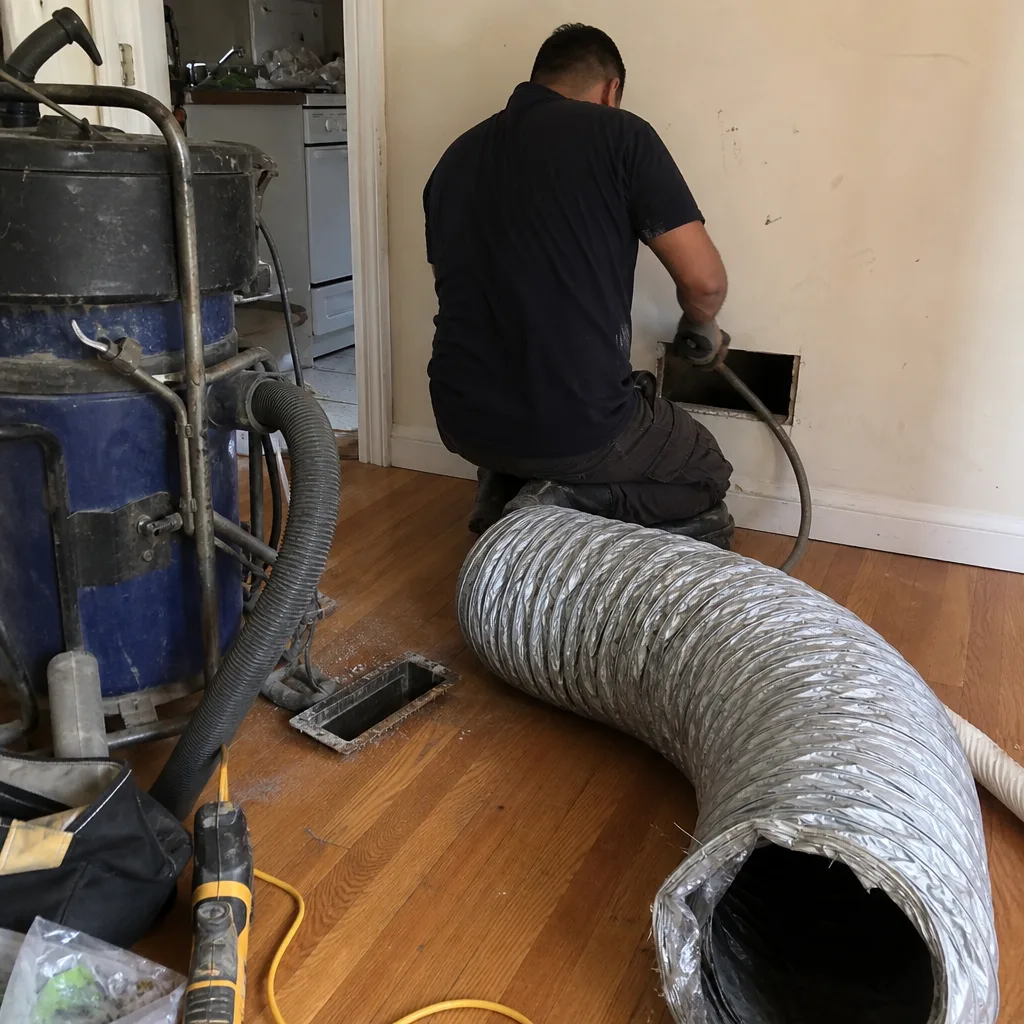 Before
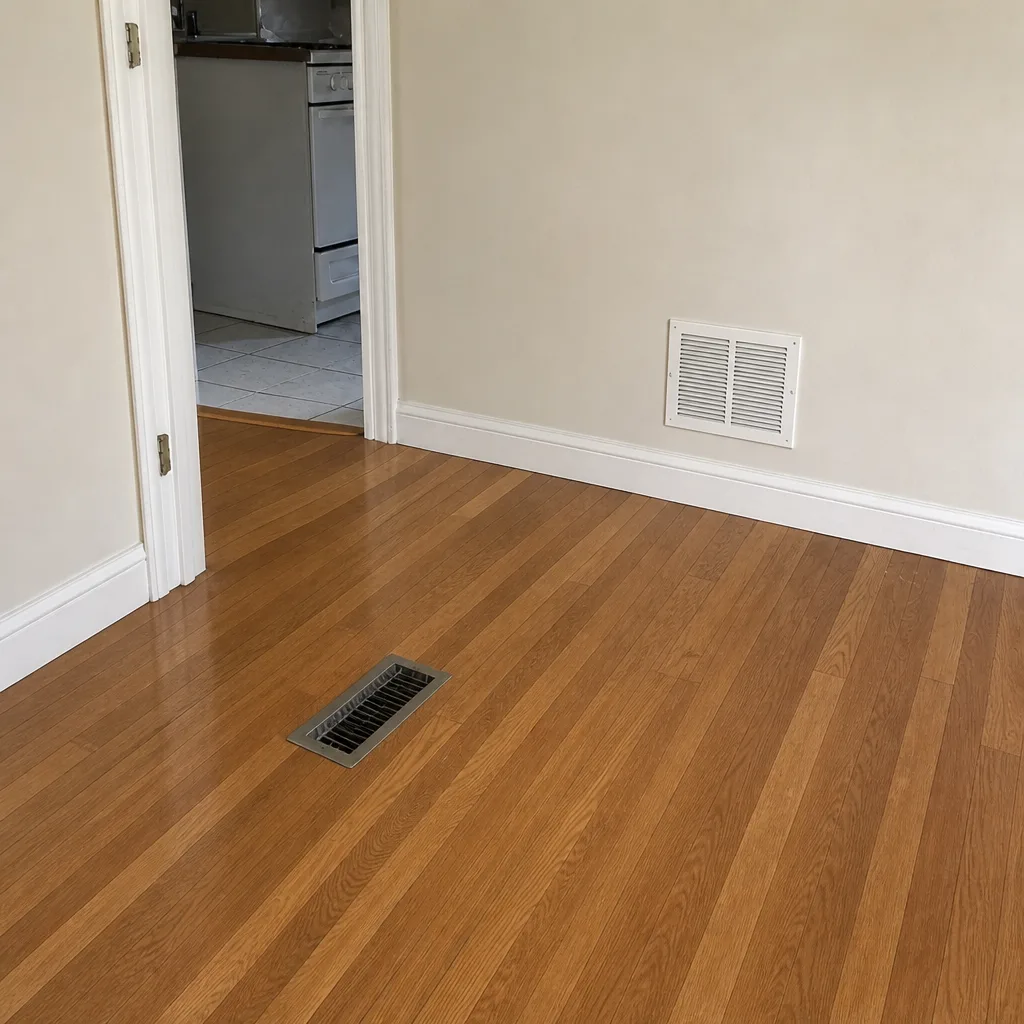 After
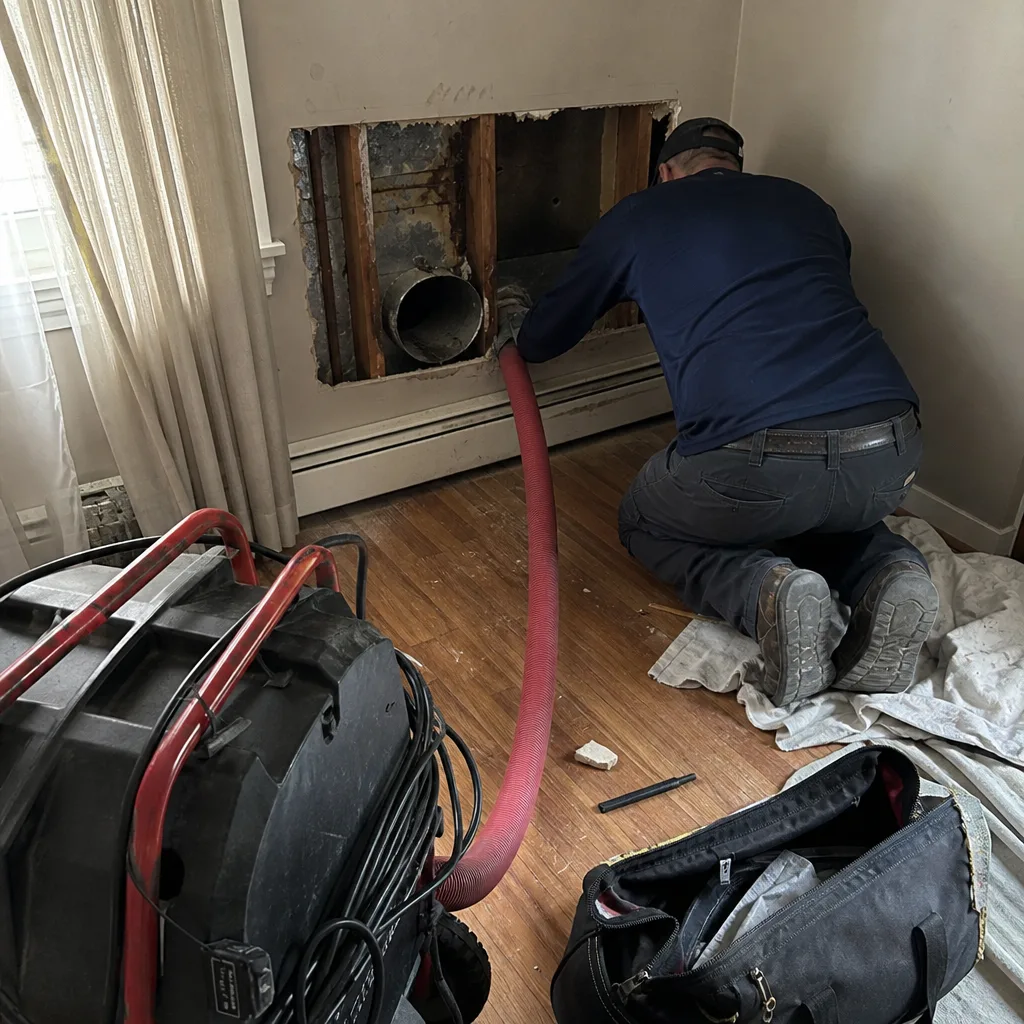 Before
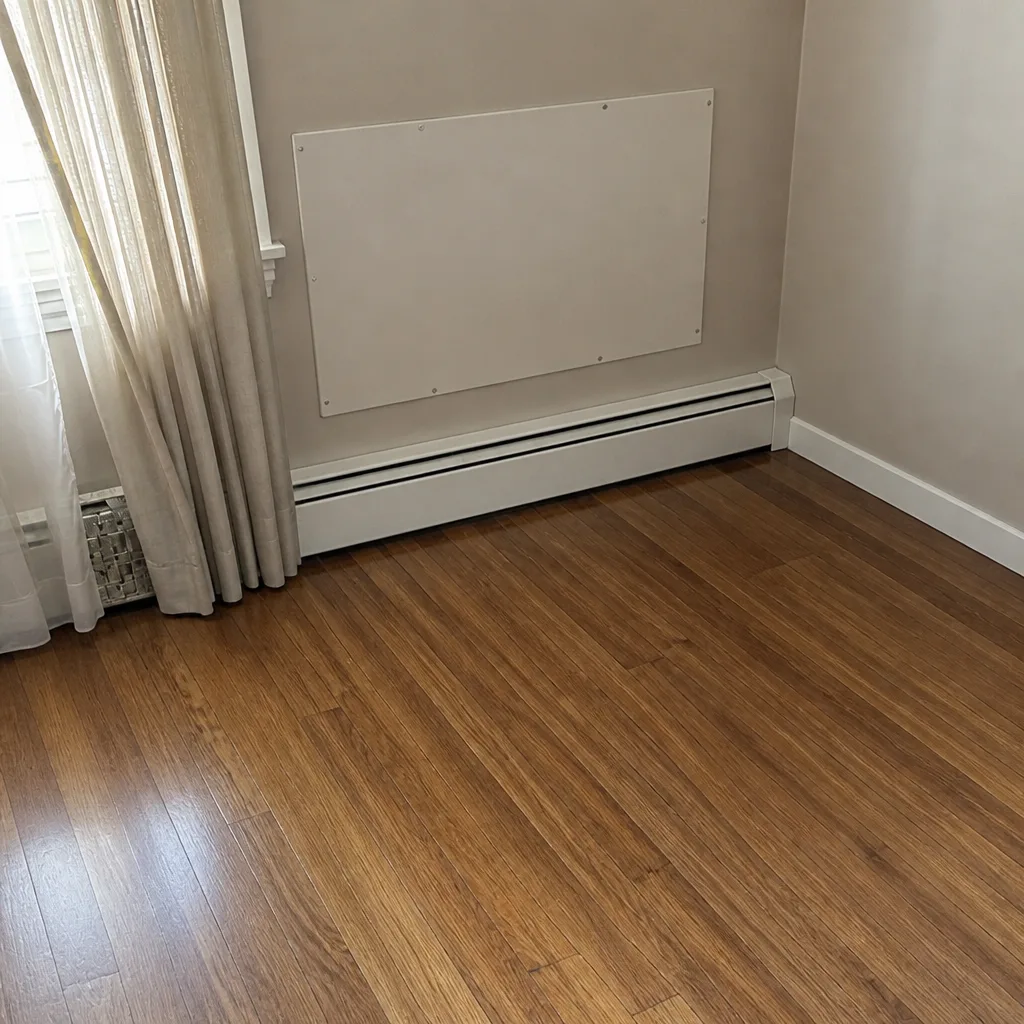 After
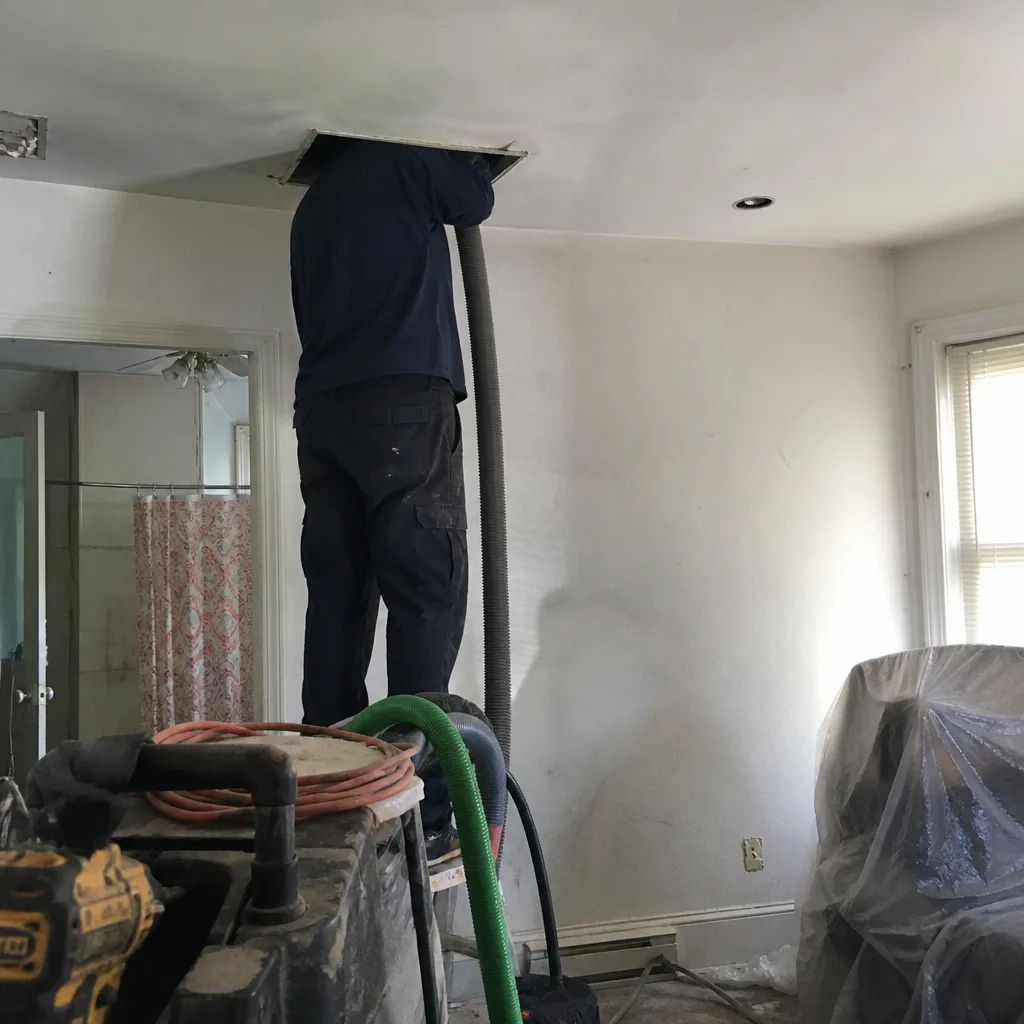 Before
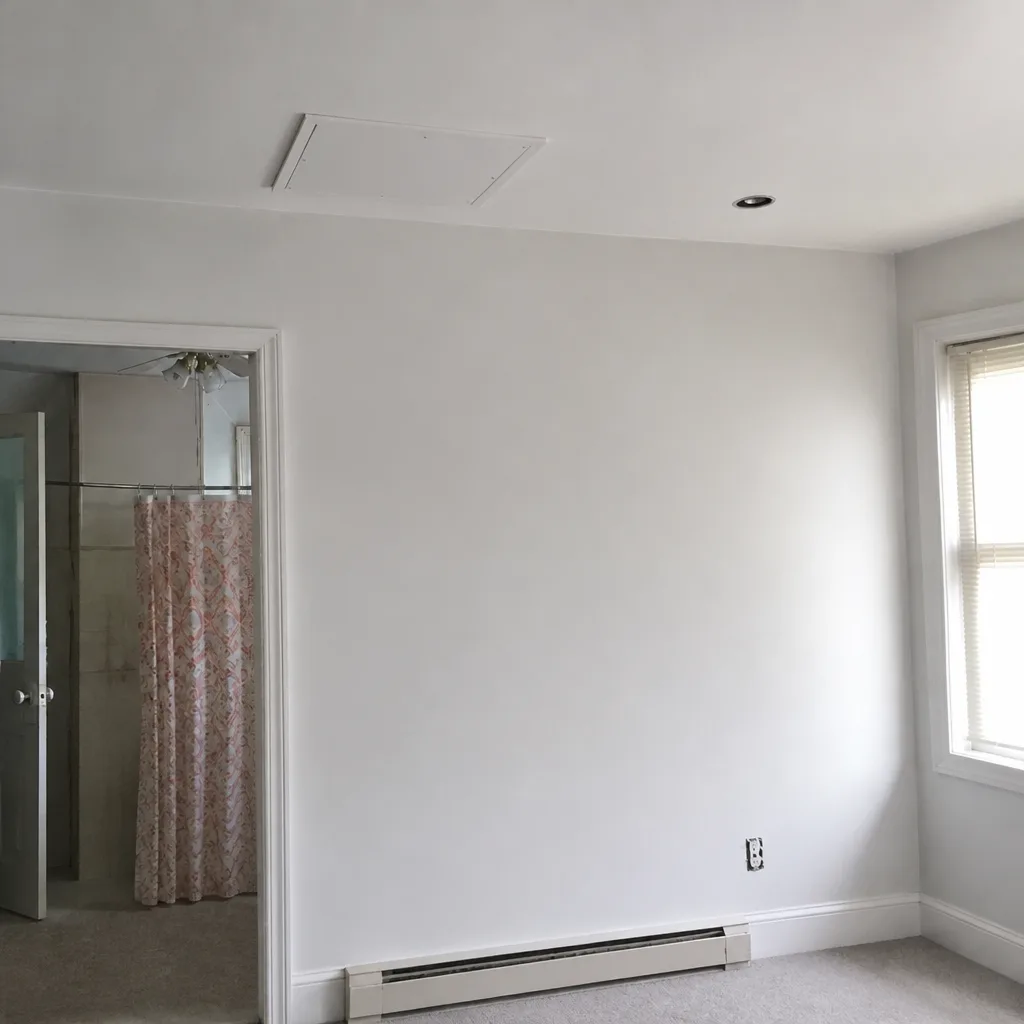 After
When to Call a Professional
Call a professional when you see or smell something you can’t explain: a musty odor after the system runs, visible dust streaking near a register, uneven airflow between rooms, or a joint you can see separating. Call when your building is pre-1980 and you’re planning any work that touches duct material, so asbestos testing happens first. Call when you’re preparing to sell and you don’t have documentation for a past duct repair, since a clean paper trail protects you. And call when you want a whole-system answer, not just a vacuum pass. Riverdale Air Duct Cleaning offers free estimates in Riverdale: call (877) 792-7057. We answer 24/7. Fast dispatch from 7am to 7pm, Sunday through Friday.
Frequently Asked Questions
No. Routine air duct cleaning in Riverdale does not require a permit because it doesn’t modify the duct system. A permit becomes relevant when the work changes the duct’s size, routing, material, or configuration, or installs a liner. Call (877) 792-7057 for an exact quote on your specific job; estimates are free.
We don’t publish a price list because every system is different, and pricing is set per job by the written estimate. A permit adds a filing cost from the DOB on top of the labor, but the estimate will show that separately so you know what’s permit and what’s work. Call (877) 792-7057 for an exact quote; estimates are free.
Cheap quotes usually skip the parts of the job that take time: the asbestos check on older Riverdale buildings, the documentation, the containment equipment. The number that matters is the flat price agreed before work starts, from a written scope, not a per-vent teaser. Call (877) 792-7057 for an exact quote; estimates are free.
Most boards ask for a written scope, the performing contractor’s proof of insurance, any DOB permit filing if the work modifies ducts, and a start and completion date. Ask your management company for their alteration agreement before the work begins. Call (877) 792-7057 for help with the scope document.
Ask for before-and-after photos of your own ducts and a written summary of what was cleaned and repaired. In a co-op or condo, that documentation is also your proof for the board and for any future sale. Call (877) 792-7057 for an exact quote; estimates are free.
It doesn’t. Cleaning can usually proceed with negative-air containment that avoids disturbing suspect material. Duct insulation or joint tape that needs to be physically touched or removed gets tested first, and if the test comes back positive, a licensed abatement contractor handles it. Call (877) 792-7057 to talk through your building’s age.
The Bottom Line
In Riverdale, routine duct cleaning is a no-permit service, but the repair, liner, and sealing work that often follows a cleaning is where the DOB mechanical permit requirements kick in. Co-op and condo board rules add a second layer of approval that the DOB doesn’t cover, and Local Law 97 has made boards pay closer attention to any mechanical change. Pre-1980 buildings require asbestos testing on insulation and joint tape before any disturbing work, and a DOB inspection only happens when a permit was filed. If you want a documented, compliant job with photos to prove it, get the estimate in writing first. Call (877) 792-7057. We answer 24/7. Fast dispatch from 7am to 7pm, Sunday through Friday.
Written by the team at Riverdale Air Duct Cleaning.